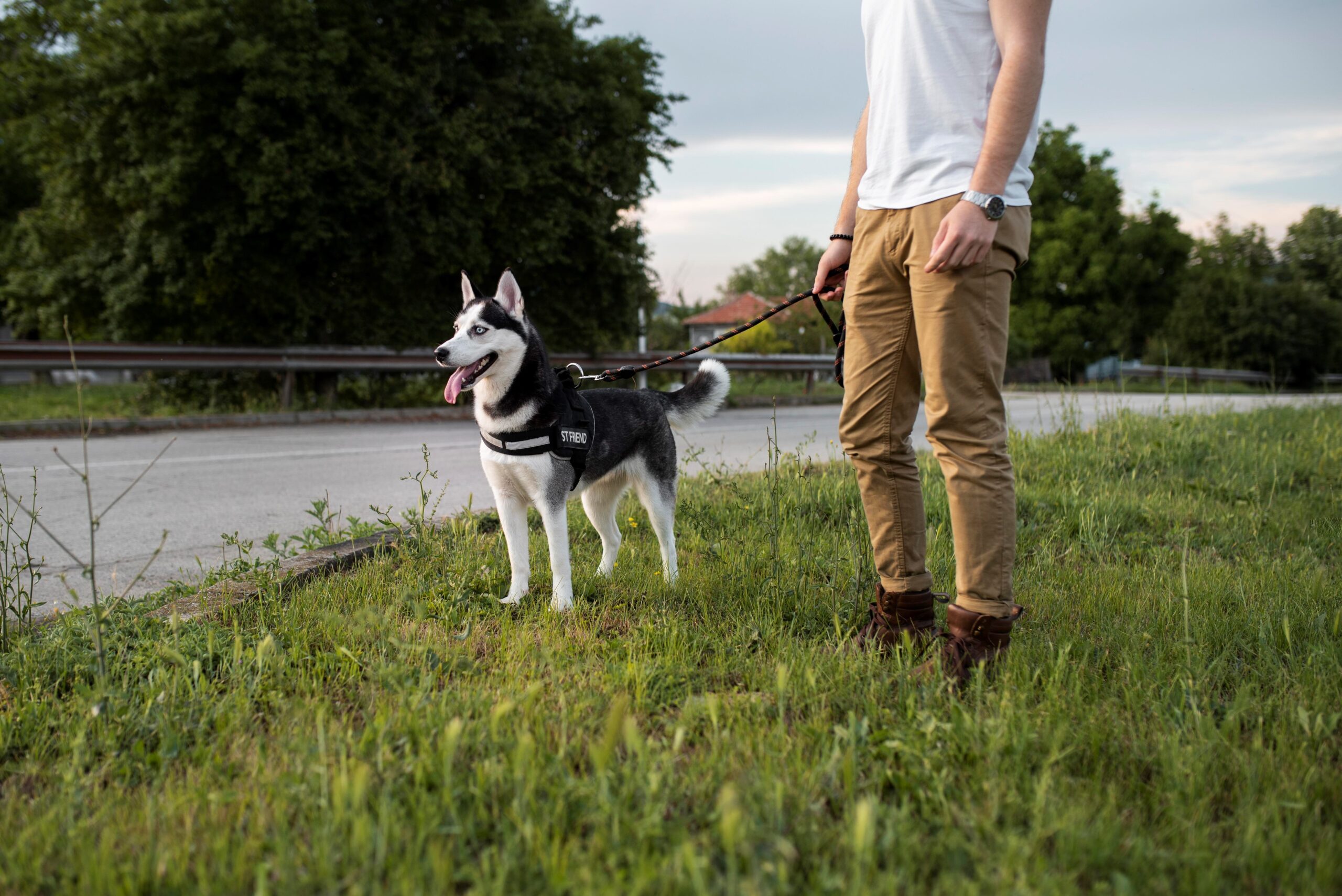
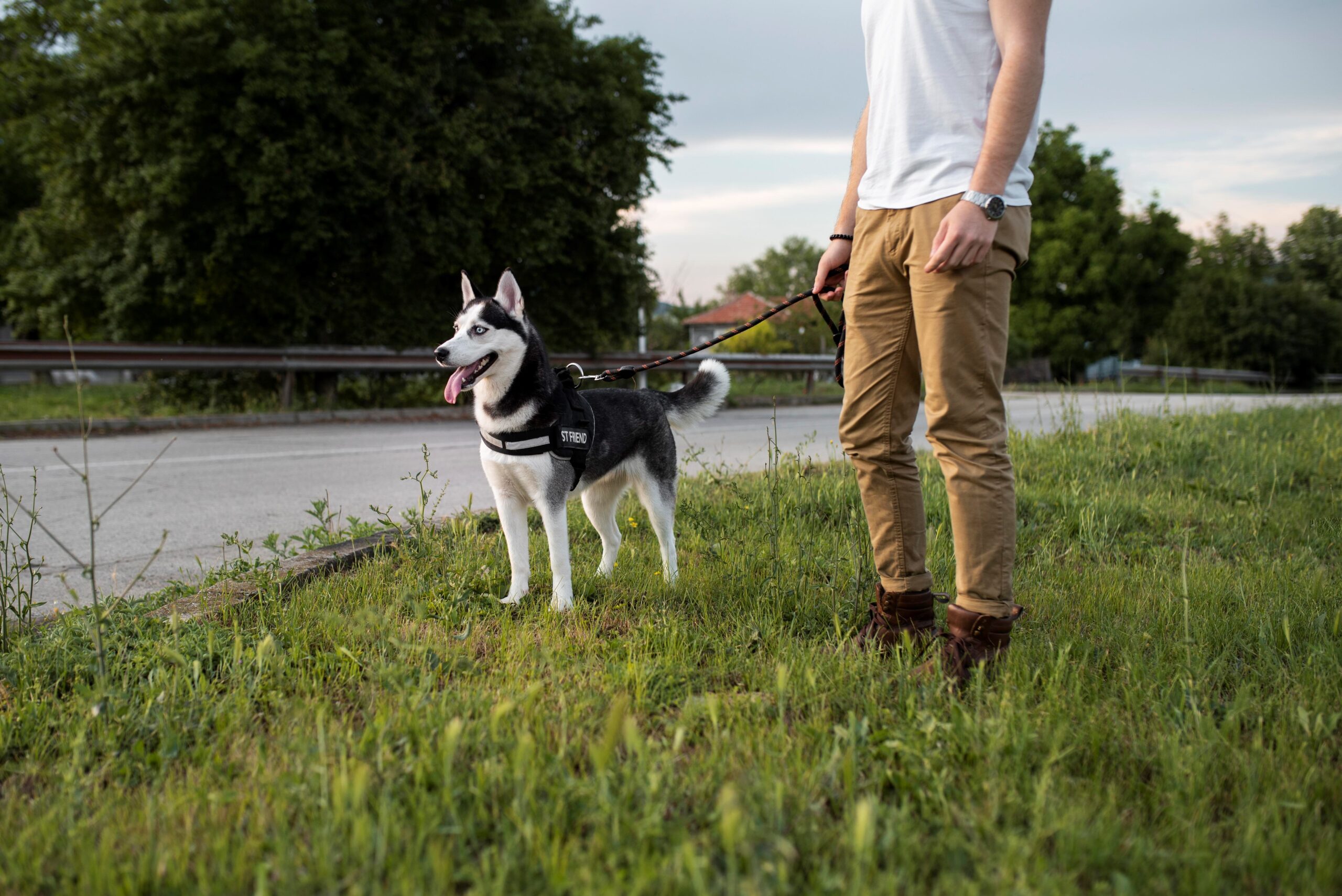
Keep Your Dog Happy and Active with NYC’s Best Dog Walkers

Happy Pants | Keep Your Dog Happy and Active with NYC’s Best Dog Walkers

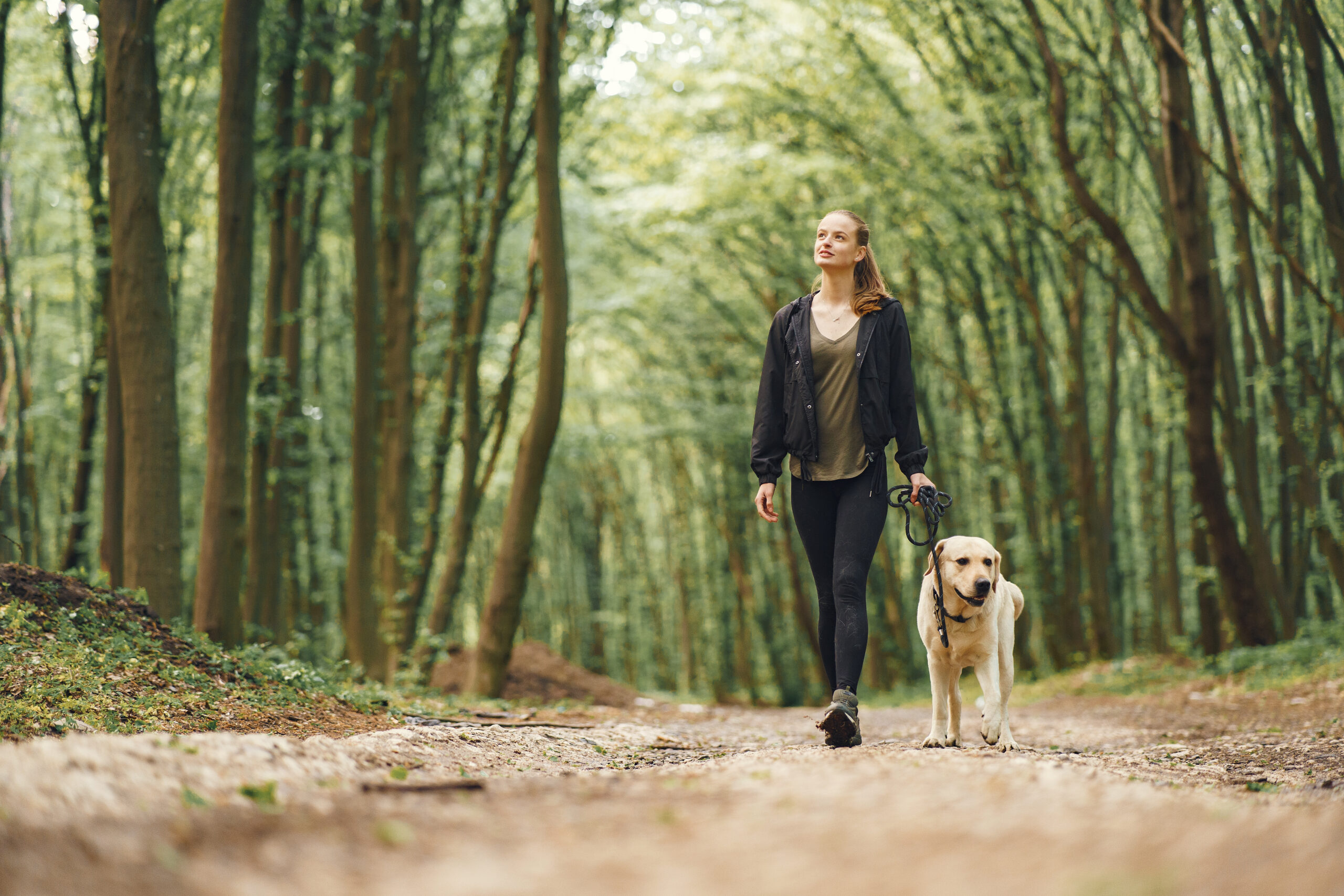
When you live in a bustling city like New York, giving your dog the time and space they need to walk, run and play can be a challenge. That’s where professional dog walking services come in. If you’re searching for dog walkers in New York City, it’s crucial to find someone who understands urban pet needs, offers reliable care, and adapts to your dog’s individual personality. 

In this article, you’ll learn what to look for in a dog walking service, the benefits of a dedicated private dog walker, and how to choose the best dog walking service for your furry companion. 

Why Dogs Need More Than Just a Quick Walk 

Living in Manhattan or anywhere in New York City often means smaller living spaces, limited private yard access, and busy streets. While dogs are adaptable, many need more than just occasional short outings. Regular, purposeful exercise supports their physical health, mental well-being and behaviour. 

Physical health: Just like humans, dogs thrive on consistent movement. Daily walks or runs help maintain a healthy weight, strong muscles and cardiovascular fitness. 

Mental stimulation: In a dense urban environment, new sights, smells and interactions help keep a dog mentally engaged. Without this, boredom can lead to undesirable behaviours such as excessive barking or destructiveness. 

Socialisation and routine: A consistent routine with caring supervision helps a dog feel secure. A private dog walker who arrives reliably builds trust and stability. 

When you hire trusted dog walkers in New York City, you’re offering your dog more than just a walk — you’re giving them an experience that supports their overall quality of life. 

What to Look for in a Dog Walking Service 

Choosing the right dog walking service can be overwhelming, given the number of options available in NYC. Here are key features that distinguish superior providers. 

Bonded and insured walkers 

Ensure the company carries appropriate bonding and insurance coverage. This protects both you and your dog if anything unexpected occurs. 

Matching dog to walker or team 

A good service will consider your dog’s age, temperament, size and energy level before assigning a walker. Avoid services that group dogs without thought to compatibility. 

Transparent scheduling and communication 

Look for walkers who provide updates, route information or photos. A private dog walker who communicates your dog’s progress helps you stay connected even while you’re away. 

Clear service options 

Some dogs thrive on one-to-one attention, others do well in buddy walks with a compatible dog or two. Understanding available service types helps you pick what’s right for your dog. The team at Happy Pants, for example, offers both solo and semi-private walks, emphasising that dogs are never pack-walked. Learn more about their services at Happy Pants Walking. 

Coverage area and reliability 

Check whether the company serves your neighbourhood consistently, and how they handle unexpected events like bad weather or building access issues. 

Focus on safety and well-being 

Beyond the walk itself, look for policies about behaviour, access, and emergency handling. A professional service always prioritises safety and your dog’s well-being. 

Private Dog Walker Versus Group Walks 

When you search for “best dog walking service,” you’ll encounter different formats — private (solo) walks, small group walks, and occasional drop-in visits. Each has its advantages. 

Private dog walker 

A one-to-one session between the walker and your dog. Ideal for dogs that are older, reactive, recovering from injury, or require special attention. 

Buddy or small group walk 

A structured outing with one or two compatible dogs. Benefits include safe socialisation, moderate exercise, and affordability compared to private walks. 

When group walks may not suffice 

If your dog struggles with socialising, is high-energy, or needs special care, a private dog walker is usually the better choice. 

For many NYC dog owners, flexibility is key — the ability to switch between private and small-group walks ensures your dog always gets what they need. 

How Regular Walks Impact Behaviour and Well-Being 

When dogs get reliable, high-quality walking sessions, you’ll often notice improvements across multiple areas. 

Improved behaviour: A dog that receives consistent exercise is calmer, less destructive, and easier to train. 

Better social skills: Regular exposure to different environments and people builds confidence and reduces reactivity. 

Enhanced health: Consistent walking supports healthy joints, weight management and cardiovascular strength. 

Peace of mind for owners: Knowing your dog is in capable hands allows you to focus on your day without guilt or worry. 

Why a NYC-Focused Dog Walking Service Matters 

Working with a provider who understands New York’s unique environment adds real value. Urban dog walking requires awareness of crowded sidewalks, limited park access, and unpredictable weather. 

An NYC-specific service designs routes that prioritise safety and comfort. For example, local professionals know where to find quieter blocks, dog-friendly spaces, and shaded paths during summer heat. They also plan schedules around rush hours and weather conditions — details that make a big difference to your dog’s experience. 

Evaluating the Best Dog Walking Service: Questions to Ask 

Before you hire a walker, ask thoughtful questions to ensure a good match. 

  • Are your walkers bonded and insured? 
  • Will my dog have the same walker each time? 
  • How many dogs do you walk at once? 
  • What areas of NYC do you cover? 
  • How long are walks, and what do they include? 
  • Do you provide post-walk updates or photos? 
  • What happens during bad weather? 
  • What is your cancellation policy? 
  • Do you offer both private and small-group walks? 
  • How do you assess compatibility between dogs? 

These questions help you understand the professionalism and structure behind a service. 

Making the Most of Your Dog Walking Service 

Once you’ve found a great dog walker, you can take a few steps to ensure your dog benefits fully from the experience. 

  • Prepare your dog’s leash, harness and ID tags. 
  • Share updates about health or behavioural changes. 
  • Keep a consistent schedule whenever possible. 
  • Review how your dog behaves after walks and communicate feedback. 
  • Reward positive experiences with treats or affection to reinforce good associations. 

A strong, ongoing relationship with your walker helps your dog feel secure and happy, and it allows the walker to provide the most personalised care. 

When to Re-Evaluate Your Dog Walking Needs 

Your dog’s needs evolve with time, age and routine. Here are signs it might be time to reassess your walking plan. 

  • Your dog appears restless or bored even after walks. 
  • They seem overly tired or reluctant to go outside. 
  • Health changes like joint stiffness or weight gain appear. 
  • You have major schedule shifts or lifestyle changes. 
  • The current service doesn’t communicate or adapt well. 

Adjusting the type, duration or frequency of walks — or switching from group to private walks — can keep your dog’s routine balanced and fulfilling. 

The Value of Consistency and Trust 

Dogs thrive on familiarity. Building trust between your dog and their walker takes time, so consistency is important. Reliable dog walkers in New York City create lasting relationships with both dogs and owners, ensuring every walk is safe, structured and enjoyable. 

By working with a dependable private dog walker, you’re not just outsourcing a task; you’re investing in your dog’s emotional and physical well-being. 

Summary 

Finding the right dog walking service in New York City requires thought and research, but the rewards are substantial. Choosing experienced dog walkers in New York City ensures your pet receives the care, exercise and attention they need. 

Whether you prefer a private dog walker or small-group walks, the focus should always be on safety, consistency and understanding your dog’s individual temperament. 

A reliable and caring provider like Happy Pants can make all the difference in your dog’s health and happiness. To learn more about their professional services or schedule a walk, visit Happy Pants Dog Walking Service. 
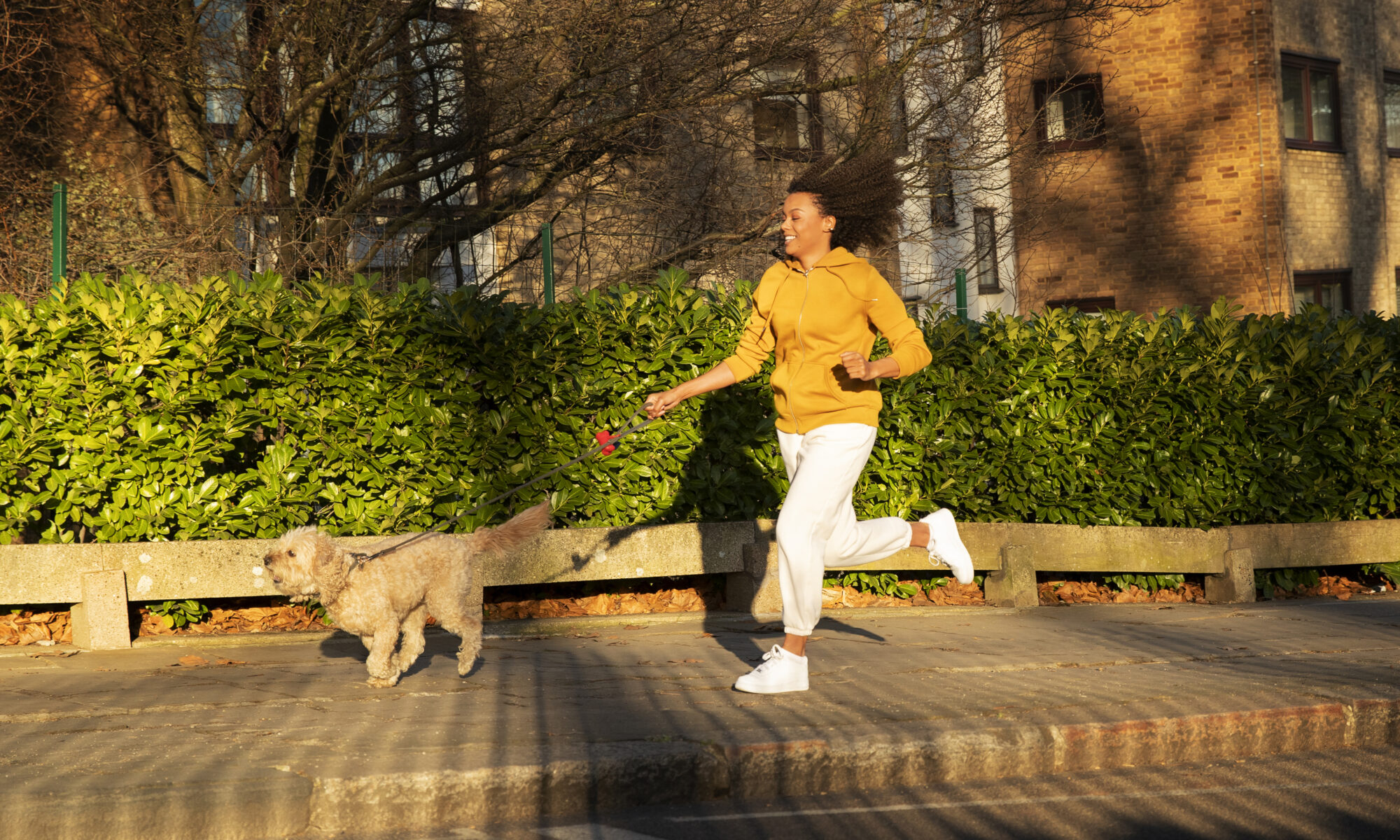
Professional Dog Runner: How to Find the Best Service for Active Dogs

professional dog runner

professional dog runner

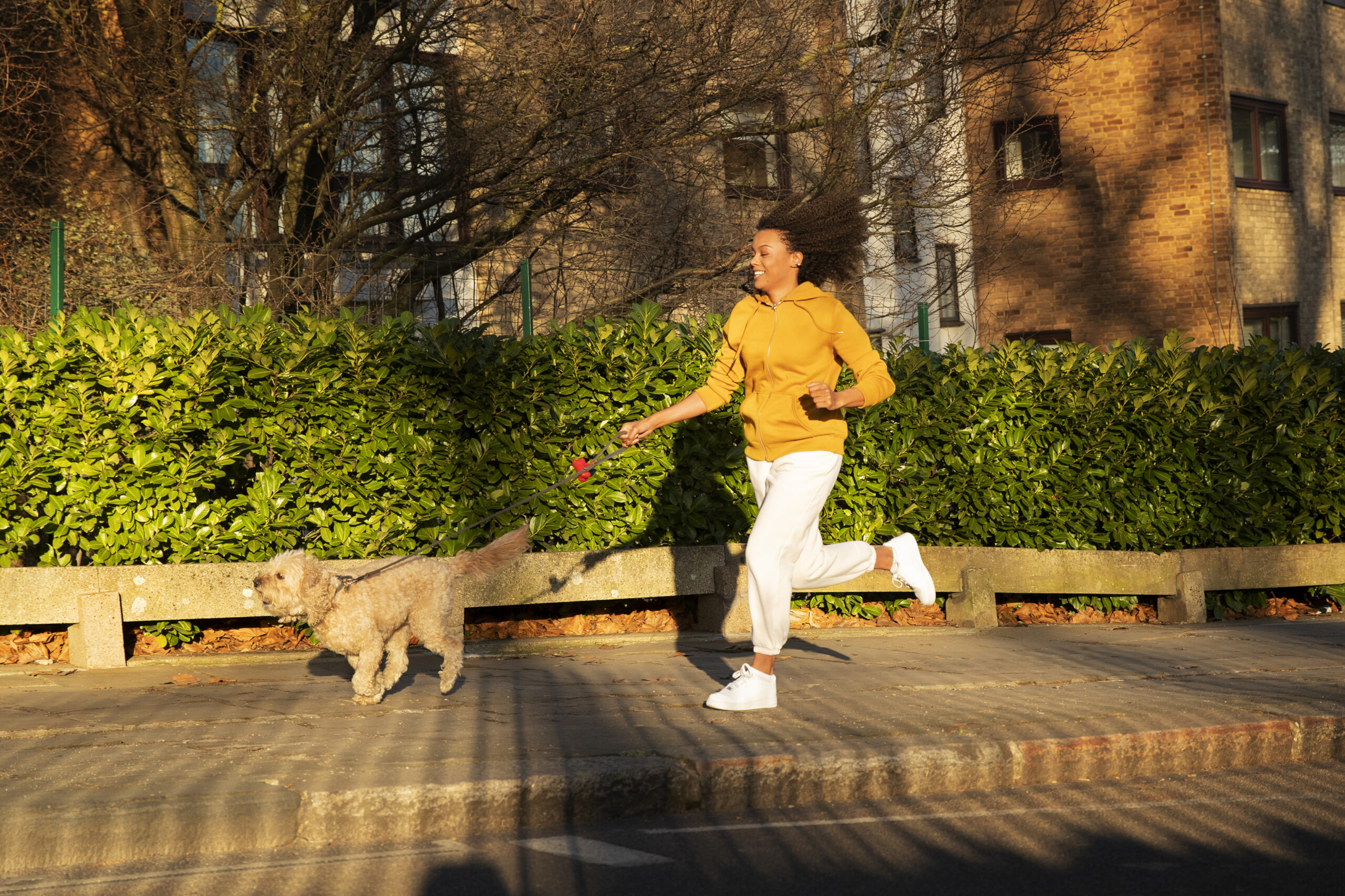
For dogs with high energy levels, hiring a professional dog runner can make all the difference. Active breeds like huskies, retrievers, border collies, and pointers require more than daily walks to stay healthy, happy, and well-behaved. A professional dog runner delivers structured, outdoor exercise designed to meet both their physical and mental needs.

Why Professional Dog Running Matters

Daily walks may be sufficient for some dogs, but high-energy dogs require more intensive activity. Without adequate exercise, dogs may develop:

  • Anxiety or stress
  • Destructive behavior at home
  • Weight gain and related health problems
  • Excessive barking or restlessness

Hiring a professional dog runner ensures that dogs receive appropriate physical and mental stimulation. Structured runs promote cardiovascular health, strengthen muscles, manage weight, and reduce behavioral issues.

Key Benefits of Hiring a Professional Dog Runner

Running offers dogs high-intensity exercise that keeps them fit and maintains a healthy weight. It strengthens muscles and supports overall joint and cardiovascular health.

1. Improved Physical Health

Running provides high-intensity exercise that helps maintain optimal weight, strengthens muscles, and supports joint health. Active dogs are less likely to develop obesity or chronic conditions associated with inactivity.

2. Mental Stimulation

Outdoor exercise engages a dog’s senses. New sights, smells, and sounds provide mental enrichment, keeping dogs alert and satisfied.

3. Behavior Management

Well-exercised dogs are calmer at home. Proper running routines help reduce hyperactivity, destructive chewing, and excessive barking.

4. Socialization Opportunities

Some dog running services include group runs, offering dogs controlled social interaction with other pets. This helps improve social skills and overall confidence.

5. Expertise and Safety

Professional runners are trained to manage different breeds, energy levels, and potential outdoor hazards. They ensure dogs are safe, hydrated, and monitored throughout each session.

For busy pet owners, professional dog runners provide peace of mind, knowing that their pets’ exercise needs are consistently met.

What to Expect from Professional Dog Runners

A professional dog runner delivers more than just exercise. Their services typically include:

  • Assessment of a dog’s breed, age, and energy level
  • Planning safe running routes with appropriate terrain
  • Using professional equipment, such as harnesses, leashes, and reflective gear
  • Monitoring dogs’ comfort, hydration, and fatigue
  • Regular updates for owners, including photos or GPS tracking

For example, Happy Pants NYC’s Dog Running Program provides structured outdoor runs that balance safety with high-energy exercise.

Types of Dog Running Services

Different dogs require different types of exercise. Professional dog running services often offer:

Short Runs (15–20 Minutes)

Ideal for small, energetic dogs or beginners, allowing gradual adaptation to higher-intensity exercise.

Standard Runs (30 Minutes)

Balanced sessions suitable for most active dogs.

Extended Runs (45–60 Minutes)

Designed for high-energy breeds or young dogs needing sustained exercise to expend energy fully.

Group Runs

Social dogs benefit from controlled group runs. These sessions combine physical activity with mental stimulation through interaction with other dogs.

Customized Programs

Some services create tailored programs based on breed, health, and individual needs. These may include interval training, sprints, or endurance-focused runs.

Safety Considerations for Outdoor Dog Running

Safety is a top priority for any outdoor dog runner. Professional services consider factors such as:

  • Weather Conditions: Heat, cold, or rain may affect the length or intensity of runs.
  • Surface Type: Grass, trails, or pavement can impact joints and paw health.
  • Hydration: Dogs need water during longer or high-intensity sessions.
  • Breed Limitations: Some breeds, such as brachycephalic dogs, may have breathing difficulties.
  • Health Monitoring: Runners watch for signs of fatigue, overheating, or stress.

Proper evaluation before and during each session ensures dogs are safe, comfortable, and properly exercised.

How to Find Dog Runners Near Me

Finding trusted dog runners near me can be challenging. Consider the following tips:

  1. Experience and Training – Ensure the runner has experience handling different breeds and energy levels.
  2. Reviews and References – Look for online reviews and ask for references from other pet owners.
  3. Insurance and Bonding – Professional services should be insured to cover emergencies.
  4. Trial Sessions – Observe how your dog reacts to the runner in a trial session.
  5. Communication – Reliable services provide updates, photos, or notes after each session.

Using these criteria helps identify safe and professional dog running services.

Costs of Professional Dog Running Services

Pricing varies based on location, run length, and customization:

  • Short Runs (15–20 Minutes): Lower cost, suitable for small or beginner dogs
  • Standard Runs (30 Minutes): Most common, providing balanced exercise
  • Extended Runs (45–60 Minutes): Higher cost due to time and energy involved
  • Group Runs: Usually priced per dog and often more affordable than solo sessions

While affordability is important, prioritizing experience, safety, and reliability ensures the best outcomes for your dog.

Dog Running vs. Dog Walking

While both provide exercise, the goals differ:

  • Dog Walking: Casual movement, bathroom breaks, and light activity. Best for low-energy or older dogs.
  • Dog Running: Vigorous, structured exercise for high-energy dogs, combining physical exertion with mental stimulation.

Many pet owners use both, scheduling daily walks and occasional runs to meet all their dogs’ exercise needs.

Additional Dog Care Services

Some professional dog runners also offer expanded dog care services:

  • Training Reinforcement: Basic obedience or leash manners during runs
  • Pet Sitting: Feeding and companionship when owners are away
  • Playgroups: Social interaction with other dogs
  • Overnight Care: Assistance for traveling pet owners

Combining running with other care services provides a holistic approach to maintaining a dog’s physical and mental health.

Red Flags to Avoid

Avoid services that:

  • Lack insurance or clear policies
  • Overbook group runs with too many dogs
  • Have poor communication or negative reviews
  • Do not offer trial sessions or references

Careful screening ensures that your dog receives professional and safe care.

Final Thoughts

A professional dog runner offers essential exercise for high-energy dogs, supporting physical health, mental stimulation, and behavior management. When searching for dog runners near me, focus on experience, safety, and communication. Combining running sessions with broader dog care services ensures dogs are well-cared-for and happy.

For more information on professional dog running services, visit Happy Pants NYC or explore their Dog Running Program.

Frequently Asked Questions (FAQ)

Short play sessions are safe; avoid long runs until joints are fully developed.

Some can, depending on health. Light jogging may be suitable with vet approval.

Harnesses, safety leashes, reflective gear, and water are standard.

Ensure hydration, avoid feeding immediately before, and share any health concerns with the runner.

Yes, with customized sessions and professional guidance tailored to their limitations.

Group runs suit social, well-behaved dogs. Professionals assess temperament before participation.

The Best Dog Walking Service: A Complete Guide for Pet Owners

Dog Walking Service

Dog Walking Service

For many pet owners, finding the best dog walking service is more than just convenience—it’s a way to ensure their dog’s health, happiness, and safety. With busy schedules and long workdays, dog walking services provide essential exercise, socialization, and companionship for pets. This guide explores what makes a dog walking service truly reliable, what to look for in professional dog walkers, and how to evaluate options when searching for dog walking near me.

Why Dog Walking Services Matter

Dogs thrive on regular physical activity and mental stimulation. A lack of exercise can lead to weight gain, anxiety, destructive behavior, and health concerns. For many urban pet owners, consistent walks are challenging to manage on their own.

That’s where a reliable dog walking service plays a critical role. Professional walkers not only help maintain a routine but also bring expertise in handling different breeds, energy levels, and temperaments.

Key benefits include:

  • Improved physical health and weight management
  • Better mental stimulation through outdoor exploration
  • Structured routines for comfort and security
  • Reduced anxiety and boredom during long owner absences
  • Socialization with other dogs in group walks or play sessions

What to Expect from Professional Dog Walkers

When hiring professional dog walkers, pet owners should expect more than just a simple stroll. Trained walkers provide a level of care and responsibility that ensures dogs are safe, happy, and well-exercised.

Professional services often include:

  • Safety protocols: Use of harnesses, leashes, and proper handling techniques.
  • Customized walks: Adjusted to a dog’s age, breed, and energy needs.
  • Communication: Updates, notes, or pictures after each walk.
  • Emergency readiness: Training in pet first aid and knowledge of local vets.
  • Reliability: Consistent scheduling and punctuality.

These qualities distinguish a professional from casual or informal arrangements.

Choosing the Best Dog Walking Service

With many options available, choosing the right service can feel overwhelming. Here are important factors to consider:

1. Credentials and Experience

Look for walkers with verified experience, references, or certifications in dog handling. This ensures they understand canine behavior and can manage different situations.

2. Insurance and Bonding

A trustworthy service should have liability insurance and bonding. This protects both the dog and the owner in case of accidents or emergencies.

3. Transparency

Professional services often provide detailed information about routes, time spent walking, and group size. Transparency builds trust and gives owners peace of mind.

4. Local Reputation

Searching for dog walking near me allows pet owners to explore neighborhood services and check reviews. A strong reputation within the community is a sign of reliability.

5. Flexibility

Some dogs need short bathroom breaks, while others require long, active walks. The best service will adjust to the dog’s needs.

Group Walks vs. Solo Walks

Many services offer both group and solo walks. Each has its benefits:

  • Group walks: Ideal for social dogs, providing interaction and play. They help with socialization and burn extra energy.
  • Solo walks: Best for dogs with anxiety, medical needs, or those who prefer one-on-one attention.

Pet owners should consider their dog’s temperament before choosing between the two.

For example, services like Happy Pants NYC’s Play Group provide safe, structured group sessions that combine walking with play and socialization.

Dog Care Services Beyond Walking

Many companies offer more than just walking. Expanded dog care services may include:

  • Pet sitting: Care for dogs while owners are away, including feeding and playtime.
  • Training support: Basic obedience reinforcement during walks.
  • Play groups: Opportunities for dogs to exercise and interact in safe environments.
  • Overnight care: For pet owners traveling overnight.

Comprehensive services provide greater flexibility and peace of mind for busy owners.

Safety Tips When Hiring a Dog Walker

Even with the best recommendations, pet owners should take steps to ensure their dog’s safety:

  • Meet the walker in person before scheduling.
  • Ask for references and reviews from other clients.
  • Request proof of insurance and background checks.
  • Observe how the walker interacts with your dog.
  • Clarify cancellation and emergency policies.

Taking these precautions helps avoid unreliable services and ensures a good match.

How to Find Reliable Dog Walking Services Near You

Searching online for dog walking near me often yields dozens of results. To narrow down the options, consider these strategies:

  • Local directories and maps: Check verified listings and community forums.
  • Veterinarian recommendations: Many vets work closely with trusted walkers.
  • Pet owner networks: Friends and neighbors often provide reliable referrals.
  • Service websites: Platforms like Happy Pants outline services, play groups, and company values.

Combining online research with community input makes it easier to identify trustworthy options.

Costs of Dog Walking Services

Prices vary depending on location, duration, and type of walk. Common pricing structures include:

  • Short walks (15–20 minutes): Ideal for bathroom breaks.
  • Standard walks (30 minutes): Most common and balanced.
  • Extended walks (45–60 minutes): Best for high-energy dogs.
  • Group play sessions: Priced per session, often lower than solo rates.

While affordability matters, the cheapest option may not always provide the safest or most reliable care.

Red Flags to Avoid

Not every service lives up to expectations. Watch out for:

  • Lack of communication or delayed responses.
  • No insurance or unclear policies.
  • Overbooked walkers managing too many dogs at once.
  • Negative reviews about safety or punctuality.

Trusting instincts and doing thorough research is essential.

Final Thoughts: Finding the Best Dog Walking Service

Choosing the best dog walking service is an investment in a dog’s well-being. From ensuring physical exercise to offering companionship during long workdays, professional walkers make a lasting difference. By focusing on reliability, experience, and care quality, pet owners can feel confident their dogs are in safe hands.

Whether searching for professional dog walkers, exploring dog walking near me, or considering expanded dog care services, the goal remains the same: to provide dogs with the healthiest, happiest lifestyle possible.

Frequently Asked Questions (FAQ)

Yes. Beyond convenience, they provide expertise, consistency, and peace of mind.

Many professionals are trained to manage different temperaments, but it’s important to discuss any concerns in advance.

Watch for signs of excitement or calmness when the walker arrives. Updates and photos from the service also help.

Walking focuses on exercise and relief, while sitting includes feeding, playtime, and extended care.

How to Choose the Right Play Group for Your Dog

Dog Walking Service

Socialization plays a critical role in a dog’s behavioral development, especially during puppyhood. One of the most effective ways to support social growth, reduce problem behaviors, and build confidence is through a dog play group. But not all groups are the same, and selecting the right one depends on your dog’s age, size, temperament, and experience level.

In this guide, we’ll walk through how to assess and choose the ideal puppy play groups, dog play group, or small dog play group for your pet. We’ll also cover red flags to avoid, what to look for in a well-structured program, and how facilities like Happy Pants NYC provide safe and behaviorally focused environments.

Why Play Groups Matter for Dogs

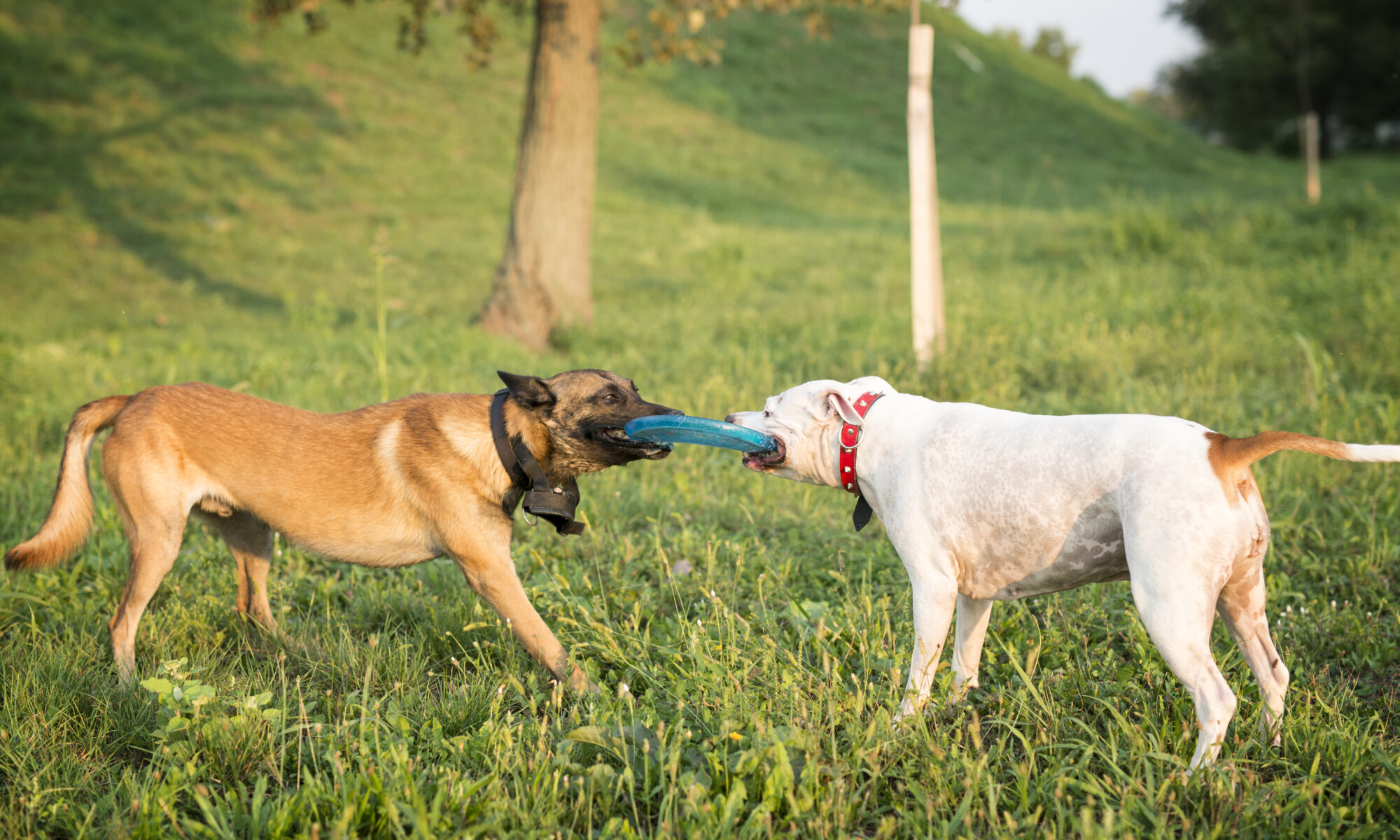
Dogs are social animals, and regular interaction with other dogs helps them learn important life skills such as reading body language, managing excitement, and practicing self-control. A play group can reinforce these lessons in a real-world setting.

Some behavioral benefits of attending the right dog play group include:

➸ Improved communication and reduced reactivity

➸ Development of bite inhibition in puppies

➸ Stress relief and emotional balance

➸ Confidence building, especially in shy or anxious dogs

➸ Reinforcement of obedience skills in a stimulating environment

Whether you’re considering a puppy play group for a new pet or a small dog play group for a more delicate breed, choosing the right setting makes all the difference in behavioral outcomes.

Assessing Your Dog’s Needs Before Choosing a Group

Before selecting a group, take an honest inventory of your dog’s traits and experience:

1. Age and Development Stage

➸ Puppies (under 6 months): Still learning how to interact, often lack bite control, and benefit most from age-specific puppy play groups designed for early socialization.

➸ Adolescents (6–18 months): May be more impulsive or boisterous. Mixed-age groups can help them learn boundaries.

➸ Adult dogs: Often more predictable in temperament but may carry existing behavior patterns—positive or problematic.

2. Size and Physical Strength

➸ A small dog play group may be best if your dog weighs under 20 pounds or tends to be intimidated by larger dogs.

➸ Matching size helps ensure that play remains safe and enjoyable for all participants.

3. Temperament and Social History

➸ Is your dog shy, excitable, assertive, or reserved?

➸ Has your dog had prior negative experiences with other dogs?

➸ Some dogs thrive in mixed groups; others need more gradual introductions.

Assessing these factors honestly helps you filter the types of groups that will best support your dog’s emotional and behavioral development.

Types of Play Groups: What’s Available?

There are several types of play groups to consider, depending on your dog’s needs and the facility’s offerings:

Puppy Play Groups

Ideal for dogs 8 to 16 weeks old who are in the critical socialization window. These sessions:

➸ Help build foundational social skills

➸ Teach bite inhibition and appropriate play

➸ Provide exposure to new environments and stimuli

➸ Are usually shorter in duration to accommodate young attention spans

General Dog Play Groups

These include dogs of varying ages and energy levels and are suitable for dogs that:

➸ Have basic socialization

➸ Are well-adjusted around unfamiliar dogs

➸ Benefit from energy release and reinforcement of manners

Small Dog Play Groups

Specifically designed for petite breeds. These groups reduce risk and encourage participation by:

➸ Pairing similar play styles and energy levels

➸ Preventing unintentional injuries from larger or rougher dogs

➸ Creating a calmer environment for delicate or more reserved dogs

You can explore local offerings through Happy Pants NYC, which hosts well-managed group formats for all sizes and developmental stages.

What to Look for in a Quality Dog Play Group

A beneficial dog play group is structured, safe, and professionally facilitated. Here’s what to look for before enrolling:

1. Proper Supervision

➸ Groups should always be monitored by trained staff familiar with canine behavior.

➸ Facilitators must know how to intervene in play that escalates or becomes unbalanced.

2. Pre-Screening and Evaluation

➸ Dogs should be evaluated before joining to ensure compatibility with the group.

➸ Health and vaccination status should be verified to protect all participants.

3. Balanced Group Composition

➸ Dogs should be grouped by compatible size, age, and play style—not just availability.

➸ Overly crowded or mismatched groups can cause anxiety or injury.

4. Clean and Safe Environment

➸ The play area should be clean, non-slip, and free of sharp edges or hazards.

➸ There should be access to clean water and safe rest zones for breaks.

5. Clear Guidelines for Play Behavior

➸ Rough or inappropriate behavior should be corrected in real time.

➸ Staff should help reinforce calmness and polite engagement, not just let dogs “run it out.”

Red Flags: What to Avoid

Not all play groups are created equal. Some signs that a group may not support behavioral development include:

➸ Lack of screening or temperament assessment

➸ No supervision or inattentive staff

➸ Chaotic, overcrowded spaces

➸ Frequent altercations or signs of stress (excessive barking, hiding, or shaking)

➸ No grouping by size or play style

Choosing the wrong setting can result in setbacks, fear, or undesirable behaviors such as overexcitement or aggression.

Integrating Play Group with Other Training Methods

Play groups shouldn’t replace training but instead serve as a real-world extension of it. Here’s how to align them:

➸ Use commands like “come,” “leave it,” or “settle” during play sessions to reinforce training in high-distraction environments.

➸ Observe how your dog reacts to specific triggers or dogs, and discuss patterns with your trainer if necessary.

➸ Practice post-play decompression with calming activities at home, such as snuffle mats, chew toys, or quiet time.

This integrated approach reinforces what’s learned in class or at home through dynamic, social experiences.

Questions to Ask Before Enrolling in a Group

When contacting a facility, ask:

1. What type of dogs are accepted in the group?

2. How are dogs matched by size or temperament?

3. Who supervises the sessions, and what are their qualifications?

4. Is an evaluation required before enrollment?

5. What safety protocols are in place for health and conflict prevention?

Reliable providers will gladly answer these questions and provide details about their structure, philosophy, and group routines.

Conclusion

Choosing the right dog play group for your companion means more than finding a space where dogs can play. It’s about creating opportunities for safe, positive behavioral growth tailored to your dog’s unique needs. By selecting structured, well-supervised programs—whether puppy play groups, general sessions, or a small dog play group—you support your dog’s development in meaningful and lasting ways.

Careful observation, thoughtful questions, and attention to your dog’s responses are key to making the right choice. For options rooted in safety and behaviorally sound practices, you can explore programs such as those offered at Happy Pants NYC.

Frequently Asked Questions

Sometimes, but it depends on temperament and the energy of the group. Many small breeds are more comfortable in a dedicated small dog play group.

Start slow. Observation-only visits, one-on-one social sessions, or calm small groups can gradually build confidence.

Not necessarily. Some dogs, especially those with fear or aggression issues, may need one-on-one training first. A professional can help assess readiness.

This varies by dog. Some benefit from weekly sessions; others may need more frequent social exposure. Consistency is more important than volume.

Are Dog Play Groups Good for Behavioral Training?

dog play group

When thinking about behavior training for dogs, many pet owners focus on obedience classes or one-on-one sessions. But less often considered—and yet profoundly valuable—are dog play groups. Whether it’s a puppy play group, a dog play group, or even a small dog play group, these structured social environments offer unique opportunities for behavioral development rooted in real-life interaction.

In this post, we’ll explore how play groups support positive behavior, the specific advantages of different group types, essential safety measures, and how to find the right opportunity for your dog.

Why Social Interaction Matters in Behavioral Training

Behavioral training isn’t only about teaching commands—it’s about helping dogs learn communication, impulse control, confidence, and social boundaries. Play groups offer a live setting where these skills emerge naturally.

➸ Interpretation of social cues: Dogs learn body language, signals of play vs. aggression, and respectful interaction.

➸ Impulse regulation: Controlled play allows puppies and adult dogs to practice patience—waiting turns, not grabbing toys, and so on.

➸ Confidence building: A shy dog gains courage through repeated, positive small-group exposure.

➸ Generalization of training: Commands like “sit,” “leave it,” or “play gently” solidify when practiced amid the excitement of play.

All of those outcomes support behavioral training goals, often more effectively than isolated sessions in quiet rooms.

Types of Play Groups: Puppy, General, and Small Dog Options

Puppy Play Groups

These cater specifically to young dogs (often under 5–6 months). The focus here is on early socialization, taught gently and under close supervision.

➸ Puppies learn bite inhibition through short, supervised play bouts.

➸ They gain experience with handling, different play styles, and introduction to environmental stimuli (toys, surfaces, different playmates).

➸ Early exposure to social play sets the stage for better future behavior around other animals and humans.

Mixed-Age Dog Play Groups

These groups include dogs of various ages and backgrounds.

➸ Older dogs can model calmer behavior and teach boundaries to younger ones during gentle socialization.

➸ Dogs learn to adapt their energy and communication style to different peers.

➸ The variety challenges them mentally and socially, often accelerating learning.

Small Dog Play Groups

These are tailored to dogs of petite size—chihuahuas, toy poodles, dachshunds, etc.

➸ Matching sizes helps reduce intimidation and injury risk.

➸ Smaller breeds often have different play styles and energy levels; aligning groups by size supports more appropriate, controlled play.

➸ Owners of small dogs may find a more comfortable, calm setting without worries of being overwhelmed.

Benefits of Dog Play Groups for Behavioral Training

1. Reinforced Social Skills in a Supervised Environment

When a handler or facilitator oversees play, they can intervene quickly if it becomes rough or misunderstandings arise. This ensures dogs learn—safely—how to play, resolve conflict, and read cues.

2. Real‑World Practice of Basic Commands

Commands practiced at home or in class—“come,” “leave it,” and “quiet”—stick better when used in distracting, exciting play scenarios.

3. Emotional Regulation and Stress Relief

Dogs release energy and stress in a structured manner. Play groups allow for movement and excitement without over-arousal because they’re monitored and moderated.

4. Preventive Behavioral Benefits

Dogs who are well-socialized tend to show fewer fear or aggression-based behaviors when encountering other dogs in parks, apartment buildings, or doggy daycare.

5. Owners Learn Through Observation

Being present during play gives owners insight into their dog’s social style, triggers, and development—important clues for tailoring further training or support.

Safety and Structure: What Makes a Play Group Work

A beneficial play group is more than just “dogs running loose.” The best ones have these features:

➸ Screening and matching: Dogs are evaluated on temperament, vaccination status, and play style before joining; size, age, and energy-level matching reduce risk.

➸ Qualified supervision: A facilitator or trainer actively watches interactions and steps in as needed.

➸ Clear rules: Structured routines, safe space for retreat, and dry-run introductions prevent escalation.

➸ Clean, safe environment: Equipment sanitized, surfaces safe to paw, and rest areas available.

➸ Limit group size: A small group (for example, 4–6 dogs) ensures that each interaction can be managed, mistakes corrected, and positive behavior reinforced.

Together, these elements create an environment where behavioral learning is safe, productive, and fun for dogs and owners alike.

Finding the Right Play Group

When exploring dog play group options, consider:

➸ Specific focus: Does the facility offer puppy play groups, general dog play group, or small dog play group sessions?

➸ Philosophy and approach: Is the purpose behavioral learning, socialization, or unstructured play? You’ll likely benefit most from a structured, behavior-focused setup.

➸ Policies: Are vaccinations, temperament assessment, or observation sessions required?

➸ Proximity and logistics: Group consistency matters—so consider how easily you can attend regularly.

For example, Happy Pants NYC offers structured play groups designed with safety and behavior in mind. You can find details on their regular play group formats and facility setup here.

Integrating Play Group Learnings into Training at Home

Play groups alone aren’t a full training plan, but they complement home sessions by:

➸ Reinforcing calm behaviors after excitement. After returning from play, inviting a calm moment—sit, relax, or settle—extends learning.

➸ Adding distractions in controlled steps: Gradually replicate social distractions at home (toys, background noise, having another dog over).

➸ Using cues practiced in play: Consistently reinforce commands like “leave it” or “easy” outside the group.

➸ Observing patterns: Use insights from group sessions to pinpoint areas for further individual training—e.g., fear around larger dogs, overly rough play, or resource guarding.

Final Thoughts

Dog play groups—whether puppy play groups, general dog play group, or small dog play group sessions—offer meaningful behavioral training benefits beyond what’s achievable in solo or isolated environments. They sharpen social skills, reinforce commands under distraction, and support emotional regulation.

Success depends on choosing groups that are safe, structured, and designed with behavior in mind. To explore thoughtfully structured play group options, you can refer to the offerings highlighted at Happy Pants Play Group.

FAQ

Consistency matters more than frequency. One well-supervised session per week for several weeks often shows better progress than sporadic attendance.

Yes—if they’re well-supervised and temperaments are compatible. Many times, older, calmer dogs help younger ones learn boundaries naturally.

Start with observation sessions, smaller groups, or even one-on-one exposure. Many shy dogs gradually acclimate and thrive in social groups over time.

It’s highly recommended because it reduces intimidation or accidental rough play from larger dogs, helps balance energy levels, and encourages positive interaction.

No—they’re best used as a complement. Formal training focuses on specific commands or issues, while play groups provide real‑world rehearsal and social exposure.