How to Choose the Best Pet Sitters in New York City

Pet Sitters

Pet Sitters

Finding reliable pet sitters in New York City can feel overwhelming. With busy schedules, dense neighborhoods, and pets that often require individualized care, choosing the right person or service is an important decision for pet owners. Whether you need help during work hours, while traveling, or for occasional support, understanding what to look for in a new york pet sitter can help ensure your pet’s safety, comfort, and well being.

This guide explains how to evaluate pet sitters, what questions to ask, and which factors matter most when selecting a dog sitter or general pet care provider in New York City.

Why choosing the right pet sitter matters

Pets thrive on routine and familiarity. A sitter who understands your pet’s habits, temperament, and needs can reduce stress and maintain consistency while you are away. In a city like New York, where pets may live in apartments, encounter crowded sidewalks, and follow building rules, experience with the local environment is especially important.

Pet sitters in New York City often work with a wide range of animals, from energetic dogs to senior pets and cats that require quiet care. Selecting the right sitter is not just about availability but about trust, communication, and competence.

Understand your pet’s specific needs

Before beginning your search, clearly define what your pet requires. Different pets need different types of care, and knowing this will help you narrow your options.

Consider factors such as:

  • Daily schedule for feeding, walks, and playtime
  • Medical needs, including medications or mobility support
  • Temperament around strangers, other animals, and noise
  • Energy level and exercise requirements

For example, a high energy dog may need a dog sitter who can handle long walks and active play, while a cat may need a sitter who focuses on feeding, litter maintenance, and companionship. Being clear about these needs helps you identify pet sitters in New York City who are experienced in similar situations.

Look for relevant experience and training

Experience is one of the most important qualities in a new york pet sitter. This includes both general pet care experience and familiarity with the challenges of city living. Ask potential sitters about:

  • The types of pets they have cared for
  • Their experience with your specific breed or age group
  • How they handle emergencies or unexpected situations

Some sitters may also have training in pet first aid or behavior management. While formal certification is not always required, a willingness to learn and demonstrate responsible practices is a positive sign.

Verify reliability and accountability

Reliability is critical when inviting someone into your home or trusting them with your pet. A dependable pet sitter should be punctual, consistent, and communicative.

Ways to assess reliability include:

  • Reading verified reviews or testimonials
  • Asking for references from other pet owners
  • Confirming clear scheduling and cancellation policies

In New York City, where transportation delays and weather can affect plans, a reliable sitter should also have backup strategies to ensure your pet is still cared for as scheduled.

Ask the right questions during the interview

Meeting or speaking with a potential sitter before hiring them is essential. This allows you to gauge their communication style and comfort level with your pet.

Helpful questions include:

  • How do you typically handle pets that are anxious or shy
  • What would you do if my pet became ill or injured
  • How do you communicate updates to pet owners
  • Are you familiar with local leash laws and building rules

Observing how the sitter interacts with your pet during an initial meeting can also provide valuable insight. Pets often react instinctively, and their comfort can be a good indicator of compatibility.

Consider in home pet sitting versus drop in visits

Pet sitters in New York City may offer different types of services, including in home sitting, overnight stays, or scheduled drop in visits. Each option has advantages depending on your pet’s needs.

In home sitting allows pets to remain in their familiar environment, which can be less stressful. Drop in visits may work well for pets that are independent but still need regular care. Understanding these options helps you choose a service style that aligns with your pet’s routine.

Evaluate communication and transparency

Clear communication builds trust between pet owners and sitters. A professional sitter should be open about their availability, services, and limitations.

Good communication practices include:

  • Providing regular updates through messages or photos
  • Being honest about what they can and cannot handle
  • Responding promptly to questions or concerns

This level of transparency is especially important in a busy city, where unexpected changes may require quick coordination.

Understand safety practices and policies

Safety should always be a top priority. Ask how the sitter ensures your pet’s safety during walks, in your home, and in shared building spaces.

Key safety considerations include:

  • Secure leash handling and awareness of surroundings
  • Respect for your home’s rules and pet boundaries
  • Emergency contact procedures

A responsible dog sitter will understand how to navigate crowded streets, dog friendly areas, and potential distractions common in New York City.

Balance cost with quality of care

While cost is an important factor, it should not be the only consideration. Rates for pet sitters in New York City can vary widely based on experience, services offered, and location.

Instead of focusing solely on price, consider the value provided. A sitter who charges more may offer greater reliability, better communication, or specialized experience. Choosing based on quality can reduce the risk of problems and provide peace of mind.

Trust your instincts as a pet owner

Finally, trust your judgment. If something feels off during the hiring process, it is okay to continue your search. The best new york pet sitter will make you feel confident and comfortable leaving your pet in their care.

Pay attention to how the sitter listens to your concerns, respects your instructions, and interacts with your pet. These subtle details often reveal whether the relationship will be a good fit.

Making an informed decision in a busy city

Choosing among many pet sitters in New York City takes time, but a thoughtful approach makes the process easier. By understanding your pet’s needs, asking informed questions, and prioritizing experience and communication, you can find a sitter who supports your pet’s routine and well being.

A careful selection process benefits both pets and owners, creating a positive experience built on trust, consistency, and care.

Conclusion

Choosing the best pet sitters in New York City requires careful consideration, not quick decisions. By clearly understanding your pet’s needs, evaluating experience and reliability, asking thoughtful questions, and prioritizing safety and communication, you can make an informed choice that supports your pet’s comfort and routine. In a fast paced city environment, the right new york pet sitter or dog sitter can help maintain consistency and reduce stress for both you and your pet. Taking the time to select a qualified and trustworthy sitter ensures peace of mind and contributes to your pet’s overall well being while you are away.
Best Dog Walking Service: How to Pick Trusted Walkers for Your Dog

Dog Walking Service

Dog Walking Service

Finding the best dog walking service is an important decision for any dog owner. Regular walks are not only essential for physical exercise but also support mental stimulation, social exposure, and overall well being. In busy urban environments especially, many owners rely on professional dog walkers to maintain consistent routines when work or travel limits their availability.

With so many options available, searching for dog walking near me can feel confusing. This guide explains how to evaluate dog walking services, what qualities matter most, and how to identify trusted dog walking providers who meet your dog’s specific needs.

Why choosing the right dog walking service matters

Dogs depend on routine and structure. A reliable walking schedule helps manage behavior, reduce anxiety, and support long term health. Choosing from professional dog walkers rather than making a quick decision based on convenience helps ensure your dog receives consistent and attentive care.

Quality dog walking involves more than simply going outside. It includes understanding canine behavior, recognizing signs of stress or discomfort, and adapting walks to weather, age, and energy level. Selecting the best dog walking service can have a meaningful impact on your dog’s daily life.

Understand your dog’s walking needs

Before evaluating services, consider what your dog needs from daily walks. Dogs differ in age, breed, temperament, and health, all of which influence walking requirements.

Think about:

  • How long and how often your dog needs to walk
  • Whether your dog prefers solo walks or group settings
  • Any medical or mobility considerations
  • Behavior around other dogs, people, and city noise

Understanding these factors allows you to compare top dog walkers based on how well they align with your dog’s routine rather than choosing solely on availability.

Look for experience and professional standards

Experience is a key indicator of trusted dog walking. Professional dog walkers should have hands on experience with a variety of dogs and walking environments. This is particularly important in urban areas where traffic, crowded sidewalks, and distractions are common.

When reviewing services, consider:

  • How long they have been providing dog walking
  • Whether they handle dogs of different sizes and temperaments
  • Their approach to leash handling and behavior management

Experience does not always mean formal certification, but a professional approach, clear processes, and familiarity with real world scenarios contribute to quality dog walking.

Evaluate safety practices during walks

Safety should be a priority when selecting the best dog walking service. Walkers are responsible for your dog’s well being while outside your home, so understanding their safety protocols is essential.

Important safety considerations include:

  • Use of secure leashes and harnesses
  • Awareness of surroundings and potential hazards
  • Procedures for extreme weather conditions
  • Knowledge of local walking regulations

A trusted dog walking provider should be able to clearly explain how they keep dogs safe during every walk.

Check reliability and consistency

Reliability is one of the most important qualities in professional dog walkers. Dogs thrive on predictable routines, and missed or delayed walks can cause stress or behavioral issues.

To assess reliability:

  • Look for consistent scheduling practices
  • Read reviews that mention punctuality and dependability
  • Ask how walkers handle unexpected delays or emergencies

The best dog walking service will prioritize clear communication and have systems in place to ensure walks happen as planned.

Ask questions before choosing a service

Speaking directly with a dog walking service helps clarify expectations and determine whether they are a good fit. Asking thoughtful questions also shows how transparent and knowledgeable the provider is.

Consider asking:

  • How do you handle dogs that pull or react during walks
  • What happens if my dog refuses to walk or becomes anxious
  • How do you communicate updates to owners
  • Are walks tracked or documented in any way

Clear answers demonstrate professionalism and help build trust in the service.

Understand walk structure and group size

Dog walking services may offer different walk formats, including solo walks or small groups. Each option has benefits depending on your dog’s personality.

Solo walks provide individualized attention and are often suitable for senior dogs, puppies, or dogs with behavioral concerns. Group walks can offer socialization but require careful supervision. Understanding how top dog walkers manage group dynamics is important for ensuring quality dog walking.

Consider communication and transparency

Effective communication is a sign of trusted dog walking. Owners should feel informed about their dog’s activities without needing to follow up repeatedly.

Good communication may include:

  • Updates after each walk
  • Notes about behavior, energy level, or concerns
  • Clear explanations of services and policies

Transparent communication supports a positive relationship and helps owners feel confident in their choice.

Balance cost with quality

Cost is an understandable factor when searching for dog walking near me, but it should be considered alongside experience and reliability. Lower rates do not always reflect better value, especially if consistency or safety is compromised.

Instead, evaluate what is included in the service:

  • Walk duration and frequency
  • Level of supervision
  • Communication practices

The best dog walking service offers a balance of fair pricing and dependable care that meets your dog’s needs.

Review service details carefully

Before making a decision, review service descriptions carefully to understand what is provided. This includes walk length, scheduling flexibility, and any additional expectations.

Trust your instincts as an owner

Finally, trust your judgment. If a service seems disorganized, unclear, or unwilling to answer questions, it may not be the right fit. The best dog walking service will respect your concerns, listen carefully, and demonstrate a genuine understanding of your dog’s routine.

Observing how a walker interacts with your dog during an initial meeting can also provide valuable insight. Comfort and calm behavior are often good indicators of trusted dog walking.

Conclusion

Choosing the best dog walking service requires thoughtful evaluation rather than quick decisions. By understanding your dog’s needs, prioritizing safety and reliability, and assessing experience and communication, you can identify professional dog walkers who provide consistent and quality dog walking. In a busy environment, trusted dog walking support helps maintain routine, promotes health, and gives owners peace of mind knowing their dog is cared for responsibly and attentively.

The Role of Puppy Play Groups in Raising Well-Behaved Dogs

puppy play group

puppy play group

Socialization is a critical aspect of a puppy’s development, shaping how they interact with the world around them. One of the most effective ways to encourage healthy social behavior is through puppy play groups. These structured sessions provide a safe, supervised environment where puppies can learn important social cues, develop confidence, and establish positive habits early in life. 

For dog owners seeking a balanced and well-adjusted pup, understanding the role of puppy play groups is essential. This article explores their benefits, how they work, and how to choose the right dog play group for your puppy. 

Why Socialization Matters for Puppies 

Puppies are highly impressionable during the early stages of life, typically between 8 and 16 weeks of age. Experiences during this period can shape behavior for years to come. 

Social skills: Puppies exposed to a variety of people, dogs, and environments learn to respond appropriately to different stimuli. This reduces fear, aggression, and anxiety later in life. 

Confidence: Structured play helps build self-assurance, teaching puppies that new situations can be positive and enjoyable. 

Behavioral development: Positive interactions with other dogs and people encourage good manners, bite inhibition, and proper play etiquette. 

By participating in a small dog play group, puppies can gain these essential skills in a controlled and safe manner. 

What Are Puppy Play Groups? 

A puppy play group is a supervised session where young dogs interact with one another under the guidance of trained professionals. The goal is to provide a safe environment for socialization, exercise, and skill-building. 

Unlike unstructured dog parks or casual meetups, professional puppy play groups focus on positive experiences, monitoring behavior, and ensuring all participants are compatible in size, temperament, and energy level. 

Key Features of a Puppy Play Group 

  • Supervised interaction: Experienced handlers observe puppy behavior, intervene if needed, and guide play in a constructive way. 
  • Age and size consideration: Puppies are typically grouped with others of similar age and size, reducing the risk of injury or overwhelming interactions. 
  • Structured activities: Play sessions include games, social exercises, and controlled exposure to new stimuli. 
  • Learning environment: Puppies learn to read social cues, wait their turn, and develop proper play behavior. 

Benefits of Puppy Play Groups 

Engaging your puppy in a structured dog play group offers numerous advantages that extend into adulthood. 

Improved Socialization

Puppies learn how to communicate with other dogs and humans effectively. This exposure helps prevent fear-based aggression and anxiety, fostering more confident adult dogs. 

Encourages Positive Behavior

Through guided interactions, puppies develop important social skills, such as sharing, taking turns, and bite inhibition. These early lessons are vital in shaping a well-behaved dog. 

Physical Exercise

Puppy play groups provide a safe space for active play, helping to expend energy and maintain a healthy physical condition. Adequate exercise can also reduce destructive behavior at home. 

Mental Stimulation

Structured activities challenge puppies to think, solve problems, and adapt to new situations. Mental stimulation is as important as physical activity in preventing boredom and promoting overall well-being. 

Confidence Building

By exposing puppies to new experiences in a controlled environment, they develop self-confidence. Confident puppies are less likely to display fear or aggression in unfamiliar situations. 

Choosing the Right Dog Play Group 

Not all puppy play groups are created equal. Selecting a program that aligns with your puppy’s needs is essential for safety and effectiveness. 

Consider Age and Size 

Ensure the group matches your puppy’s age and size. A small dog play group is ideal for smaller breeds to prevent accidental injury and ensure appropriate play dynamics. 

Look for Qualified Supervision 

Handlers should have experience with puppy behavior and training. They must be able to intervene appropriately and provide guidance for positive interactions. 

Safety and Hygiene 

Check that the environment is clean, secure, and free from hazards. Vaccination requirements should be enforced to prevent the spread of illness. 

Structured Play and Learning 

A quality puppy play group balances free play with structured activities, reinforcing social skills, basic commands, and positive habits. 

Tips for Maximizing the Benefits of Puppy Play Groups 

  • Start early: Begin socialization as soon as your puppy is fully vaccinated. 
  • Be consistent: Regular participation helps reinforce learned behaviors. 
  • Observe your puppy: Monitor how they interact and adjust participation if they appear stressed or overwhelmed. 
  • Combine with training: Use the skills learned in play groups during at-home training sessions. 

Puppy Play Groups vs. Unsupervised Play 

While dog parks and casual meetups can provide socialization, they lack the structure, supervision, and learning opportunities of a puppy play group. Unsupervised play can sometimes lead to negative experiences, fear, or aggression if interactions become rough or unsafe. Structured groups offer guided learning in a controlled environment, reducing risks and maximizing benefits. 

Long-Term Benefits for Well-Behaved Dogs 

Puppies that participate in consistent, well-managed puppy play groups often grow into well-adjusted adult dogs. These benefits include: 

  • Reduced anxiety and fear in new situations 
  • Proper social etiquette with other dogs and humans 
  • Better response to commands and training 
  • Fewer behavior problems such as excessive barking or aggression 
  • Enhanced overall quality of life and adaptability 

By investing in socialization through puppy play groups, owners help set the foundation for a happier, healthier, and more confident dog. 

Integrating Puppy Play Groups into Your Routine 

To fully leverage the benefits of a dog play group, consider the following integration strategies: 

  • Schedule regular sessions weekly to maintain consistency. 
  • Pair play group sessions with short daily walks for physical exercise. 
  • Practice learned skills at home to reinforce positive behavior. 
  • Monitor social progress and adjust group settings if needed. 

For those living in urban environments like New York City, structured play groups provide a safe outlet for energy and social growth that might otherwise be difficult to achieve. Learn more about available programs and schedules at Happy Pants. 

Conclusion 

Puppy play groups are an invaluable tool in raising confident, well-behaved dogs. Through supervised interaction, structured play, and socialization exercises, puppies develop essential life skills that influence their behavior for years to come. 

For small breeds or puppies requiring extra attention, small dog play groups offer a safe and controlled environment for learning social cues and building confidence. By choosing the right program and participating consistently, dog owners can ensure their puppy grows into a balanced and happy adult dog. 

Investing time in puppy play groups is not just about fun—it’s about shaping a foundation for lifelong well-being and behavior. 

Best Hydration Tips for Dogs in NYC Summer Heat

Best Dog Hydration Tips

When New York City heats up, so do the sidewalks, parks, and apartment buildings. While humans have air conditioning and cold drinks, our four-legged friends are far more sensitive to the heat. As a responsible pet parent in the city, keeping your dog hydrated during summer is not optional—it’s essential.

This guide is tailored for city dog owners who want to prevent heatstroke and ensure their pups stay comfortable, cool, and hydrated through the hot months. From electrolyte treats to scheduling walks early, we’ve got your pup’s wellness covered.

Why Proper Hydration Matters for Dogs in NYC

NYC’s summer heat brings high humidity, hot sidewalks, and limited green spaces—conditions that make it easy for dogs to become overheated. Unlike humans, dogs can’t sweat to cool down; they rely on panting and paw pads to release heat. This makes dog hydration absolutely critical during the warmer months.

Risks of Dehydration Include:

  • Lethargy and weakness
  • Vomiting or diarrhea
  • Heatstroke, which can be fatal
  • Organ dysfunction

Key Tip: Prevention starts with hydration and ends with awareness.

Carry Bottled Water Stops for Your Dog

Always be prepared when taking your dog on a walk through the city. Carrying water just for your dog is the simplest and most effective way to prevent overheating.

Quick Tips:

  • Use portable bottles with built-in bowls
  • Offer water every 15–20 minutes during walks
  • Keep extra water in your bag or car

Whether you’re walking through the West Village or heading to Central Park, hydration must always be within reach.

Use Elevated Bowls at Home to Promote Healthy Drinking

When dogs get tired or overheated, they may not want to bend down to drink water. Elevated bowls encourage consistent hydration, especially in large breeds or senior dogs.

Benefits of Elevated Bowls:

  • Reduces neck and joint strain
  • Makes water more appealing and accessible
  • Keeps water cleaner by elevating it off the floor

City Tip: Place elevated bowls in cooler areas of your home, such as near a fan or shaded corner.

Offer Frozen Electrolyte Treats for Cooling and Hydration

One of the most enjoyable ways to hydrate your dog is with electrolyte-packed frozen treats. They’re cooling, tasty, and excellent after a long walk or play session.

Dog-Safe Frozen Treat Ideas:

  • Bone broth ice cubes
  • Coconut water and watermelon pupsicles
  • Electrolyte chews designed specifically for dogs

Never give human electrolyte drinks like sports beverages—these often contain sugar or xylitol, which can be dangerous.

Know the Signs and Warnings of Heatstroke in Dogs

Even the most hydrated dog can overheat in extreme NYC heat. Watch for heatstroke symptoms so you can act fast.

Common Heatstroke Symptoms:

  • Excessive panting and drooling
  • Lethargy or disorientation
  • Vomiting or diarrhea
  • Bright red or pale gums
  • Collapse or difficulty walking

Emergency Action: Move your dog to a shaded or air-conditioned area and offer cool (not cold) water. Contact your vet immediately if symptoms persist.

Schedule Walks Early in the Morning or Late in the Evening

To avoid the most dangerous part of the day, schedule your dog walks during cooler hours.

Optimal Dog Walking Times in Summer:

  • Before 9:00 AM
  • After 7:00 PM

Pro Tip: Place your hand on the pavement for 7 seconds. If it’s too hot for you, it’s too hot for your dog’s paws.

Shorter, shaded walks are better than extended outings during midday hours.

Bonus Wellness Strategies for Summer Safety

Going beyond hydration, these extra steps can help keep your dog safe in NYC’s urban summer heat.

Advanced Dog Wellness Strategies:

  • Use cooling vests during walks
  • Keep fans or AC running while you’re out
  • Consider a stroller for small or older dogs
  • Use hydration-monitoring apps or smart bowls

Wellness-minded pet parents often go the extra mile—and your dog will thank you for it!

Why NYC Dogs Need Special Summer Attention

Living in a city like New York presents specific challenges for canine hydration and wellness.

Urban Challenges That Affect Dog Hydration:

  • Limited access to shaded, grassy areas
  • Hot cement and asphalt everywhere
  • High energy exertion due to noise and stress
  • Less frequent bathroom and hydration stops

Unlike suburban pups with backyards and shaded trees, NYC dogs rely on their owners for every drop of water and bit of comfort they get in the heat.

Quick Hydration Checklist for NYC Pet Parents

Need a go-to reference? Here’s a summer hydration checklist that keeps your NYC dog safe and happy:

  • Carry a dog-specific water bottle
  • Use elevated bowls indoors
  • Offer electrolyte treats post-walk
  • Schedule walks for early morning or late evening
  • Recognize heatstroke signs and act fast
  • Keep indoor air moving and cool

Print it, stick it to your fridge, or keep it in your dog’s travel bag—whatever works for you.

Final Thoughts: Beat the Heat with Smart Hydration

Hydration is your dog’s first line of defense against NYC’s scorching summer heat. Whether you’re strolling through SoHo or chilling in Prospect Park, you can keep your pup cool, safe, and happy by following these practical tips.

At Happy Pants NYC, we believe in total pet wellness—from daily dog walks to summer survival. Use this guide as your seasonal blueprint for a healthier, wag-filled summer in the city.

Frequently Asked Questions:

FAQ 1: How can I keep my dog hydrated during NYC’s hot summer days?

To keep your dog hydrated, always carry a portable water bottle, offer frequent water breaks, and use elevated water bowls at home. You can also give dog-safe frozen electrolyte treats to promote hydration and cooling.

FAQ 2: What are the signs of dehydration or heatstroke in dogs?

Common signs include excessive panting, dry gums, vomiting, lethargy, and loss of coordination. In hot NYC weather, any of these symptoms should be treated as urgent. Immediately offer water and contact a veterinarian if symptoms persist.

FAQ 3: When is the best time to walk my dog in the summer in NYC?

The best times are early in the morning (before 9 AM) or later in the evening (after 7 PM), when sidewalks are cooler. Avoid midday walks to protect your dog from heatstroke and paw pad burns.

FAQ 4: Are human electrolyte drinks safe for dogs in the heat?

No, most human sports drinks contain sugars, caffeine, or xylitol, which are unsafe for dogs. Stick to dog-specific electrolyte supplements or frozen treats made with safe ingredients like bone broth or coconut water.

FAQ 5: Why are elevated bowls better for hydration during summer?

Elevated water bowls make it easier for dogs—especially older or large breeds—to drink comfortably. They also keep water cooler and cleaner, encouraging your dog to drink more in the summer heat.

When to Start Puppy Socialization: A Complete Guide for New Dog Owners

Positive Reinforcement

Welcoming a new puppy into your home is an exciting chapter—but with that wagging tail comes great responsibility. One of the most important aspects of early puppy development is socialization, especially in bustling environments like cities. 

At Happy Pants, we believe that knowing when to start puppy socialization is key to shaping a confident, calm, and well-adjusted adult dog. This guide walks you through everything new dog owners need to know: the best time to socialize, how to balance it with vaccinations, and tips for crate training, leash introduction, and meeting the world—safely and successfully.

Why Puppy Socialization Matters

Socialization is the process of exposing your puppy to a variety of sights, sounds, people, environments, and animals. Done correctly and early, it can help prevent fear-based behavior, anxiety, and aggression later in life.

Poorly socialized dogs may react poorly to unfamiliar situations, leading to stress and behavioral challenges. On the other hand, a well-socialized pup is more adaptable, confident, and easier to train—qualities every pet parent wants.

The Critical Socialization Period: 3–14 Weeks

Veterinary behaviorists agree that the critical socialization window occurs between 3 and 14 weeks of age. This is when puppies are most open to new experiences and least likely to respond with fear. Missing this window can make socialization more difficult later on.

During this time, focus on gradual, positive introductions to:

  • Different people (ages, appearances, voices)
  • Sounds (traffic, vacuum cleaners, sirens)
  • Surfaces (grass, pavement, tile)
  • Objects (umbrellas, bikes, strollers)
  • Other friendly dogs and animals

Even short daily experiences can make a big impact on long-term behavior.

How Vaccinations Affect Puppy Socialization

A common concern for new pet parents is balancing early socialization with vaccination safety. Puppies typically receive vaccines starting at 6–8 weeks, with boosters every 3–4 weeks until 16 weeks old.

So, how do you socialize a puppy who isn’t fully vaccinated?

Safe Socialization Before Full Vaccination Includes:

  • Inviting healthy, vaccinated dogs over to your home
  • Carrying your puppy through public spaces
  • Visiting pet-friendly cafes (on your lap or in a stroller)
  • Watching the world from your porch
  • Puppy classes hosted by trusted trainers in sanitized spaces

Avoid places with heavy dog traffic like dog parks, sidewalks, or pet stores until vaccinations are complete.

Trainer Tips for a Smooth Socialization Journey

Professional trainers recommend keeping socialization positive and low-pressure. Puppies should never be forced into experiences or punished for being fearful.

Key trainer-backed strategies:

  • Pair new experiences with treats and praise
  • Watch body language (tail tucking, yawning, freezing)
  • Use short sessions (5–15 minutes max)
  • Repeat exposures regularly and in different settings
  • Don’t overwhelm with too many new things at once

The goal is to help your pup build positive associations, not just check boxes on a list.

Checklist: What to Socialize Your Puppy To

Here’s a socialization checklist that helps cover all the essentials during those first few months:

People

  • Children
  • Elderly individuals
  • People in uniforms/hats/glasses

Environments

  • Quiet neighborhoods
  • Busy streets (at a distance)
  • Elevators and stairwells

Sounds

  • Traffic noise
  • Construction
  • Fireworks (recordings)

Objects

  • Wheelchairs
  • Shopping carts
  • Garbage cans

Animals

  • Calm, vaccinated dogs
  • Cats (if you have one or a friend does)
  • Squirrels/birds (through a window or leash)

How Crate Training Helps with Socialization

Crate training isn’t just about potty breaks—it’s a confidence-building tool during socialization. A properly introduced crate acts as a safe haven, especially after stimulating experiences.

Benefits of crate training:

  • Helps puppies self-soothe after outings
  • Makes transport and vet visits easier
  • Encourages independence and calm behavior
  • Supports house-training and schedule development

Start slowly and always make the crate a positive place (never use it for punishment).

Introducing Leash Handling & Urban Navigation

Especially in city settings, leash manners and handling skills are key. You don’t have to wait for vaccinations to begin leash training.

Tips to introduce leash confidence:

  • Start indoors using a light leash and harness
  • Practice walking around the apartment or backyard
  • Use treats to encourage following and focus
  • Reinforce calm behavior when stopping at curbs

This way, when it’s time to walk the block, your pup already understands the basics of leash cues.

Local Puppy Meetups (Post-Vaccination)

Once your puppy is fully vaccinated, group social opportunities like puppy meetups or obedience classes are excellent. These environments help reinforce bite inhibition, polite play, and new experiences with other dogs.

Look for:

  • Trainers with puppy-specific playgroups
  • Groups that monitor play and size-matching
  • Structured socialization—not just a free-for-all

Common Mistakes to Avoid During Socialization

Even well-meaning owners can hinder socialization progress by rushing or overdoing it. Avoid these common pitfalls:

  • Waiting too long: Missing the critical window makes socialization harder.
  • Overexposing: Too many new things at once can cause anxiety.
  • Neglecting rest: Puppies need lots of naps between exposures.
  • Reinforcing fear: Don’t soothe your puppy too much during a scary moment—redirect or distract instead.

Balance is key: let your puppy experience the world, but always return to comfort and routine.

Final Thoughts: Socialization Is a Lifelong Journey

While the most sensitive time for socialization is in those first few months, exposure doesn’t stop there. Puppies need ongoing, positive experiences well into adolescence and even adulthood to maintain their confidence and adaptability. Consistent reinforcement is key—especially in a city as stimulating as New York.

Whether you’re navigating a quiet suburb or facing the energetic buzz of puppy care in Manhattan, the core principles remain the same: positive exposure, gradual introduction, and patient guidance. Urban environments offer unique opportunities (and challenges) for socialization—from crowded sidewalks to noisy traffic—but with the right approach, your pup can thrive.

Knowing when to start puppy socialization is just the beginning. As a pet parent, your ongoing efforts to create safe, structured, and supportive experiences will shape your dog’s temperament, behavior, and confidence for years to come. At Happy Pants, we’re proud to help you through every step of your puppy care NYC journey—because every tail wag, paw shake, and joyful bounce starts with a well-socialized dog.

Frequently Asked Questions

1: What is the best age to start puppy socialization?

The ideal window for puppy socialization is between 3 to 14 weeks of age. During this critical period, puppies are more open to new experiences, which helps reduce fear and anxiety later in life. At Happy Pants, we recommend starting gentle exposure to people, sounds, and surfaces as early as possible—while keeping safety a top priority.

2: Can I socialize my puppy before they’ve had all their vaccinations?

Yes, early socialization can begin before full vaccination, but it must be done cautiously. Focus on controlled environments like your home, puppy classes with vaccinated dogs, or one-on-one playdates. Avoid dog parks and public areas until your vet gives the all-clear.

3: How can crate training support the socialization process?

Crate training provides a safe, secure space for your puppy to decompress, especially after social experiences. It also prepares them for vet visits, travel, and structured downtime. At Happy Pants, we recommend introducing the crate as a positive space with treats and soft bedding from the very beginning.

4: What are good socialization activities for city puppies?

Great activities include exposure to city sounds, supervised walks on quieter streets, meeting different people, and participating in local puppy meetups. Be sure to introduce elevators, bikes, and urban noises slowly. Socialization doesn’t have to be overwhelming—it’s about positive, bite-sized experiences.

5: What if my puppy seems shy or scared during socialization?

It’s normal for some puppies to be cautious. Never force interaction—use positive reinforcement, stay calm, and allow your pup to explore at their own pace. If needed, consult a trainer for tips tailored to shy dogs. At Happy Pants, we’re here to help guide new pet parents through every step of this journey.

How Often Should Your NYC Dog Get Walked During Summer?

Happy Pants | How Often Should Your NYC Dog Get Walked During Summer?

New York City summers can be brutally hot. The mix of heat, humidity, and reflective concrete creates a tough environment for both people and pets. As a city dog owner, you may find yourself wondering, “How often should my dog walk during NYC summer?”

The answer depends on several factors, including your dog’s breed, age, size, and tolerance to heat. In this article, we’ll help you determine an optimal walking schedule while sharing key safety strategies like heat protection, hydration tips, and shaded walking routes for NYC dogs.

Why Summer Walking in NYC Is Different

Urban areas like NYC experience the “urban heat island effect,” where buildings, asphalt, and vehicles trap and radiate heat. Sidewalks can get dangerously hot, sometimes rising above 120°F, and many areas lack shade. Unlike rural or suburban locations, NYC dogs also deal with crowd noise, limited green spaces, and high foot traffic.

This means that your dog’s summer walking routine should be thoughtfully adjusted to keep them safe and healthy.

How Often Should Your Dog Walk in the NYC Summer Heat?

While every dog is different, here’s a general guideline for summer walk frequency:

  • Adult dogs should be walked 2 to 3 times per day, with walks shortened or lengthened depending on the temperature.
  • Puppies, who require more frequent potty breaks and exercise, benefit from 3 to 5 short walks throughout the day.
  • Senior dogs and breeds with breathing issues (like pugs, bulldogs, and boxers) should be taken on brief walks only during the coolest times of day.

Rather than focusing on long walks, shift to cool, calm, and controlled strolls that prioritize safety over distance.

Best Times of Day to Walk Your Dog in NYC During Summer

Timing is one of the most important elements of a safe summer dog walking routine. The hottest part of the day in New York typically occurs between 12 PM and 5 PM, when concrete surfaces radiate heat and the air becomes thick and oppressive.

Morning walks before 9 AM and evening walks after 7:30 PM are best, especially on days when the temperature exceeds 85°F.

If your schedule requires a midday walk, it should be extremely short and focused only on potty relief. Try to choose shaded routes and avoid direct sunlight and hot pavement at all costs.

How to Tell If the Pavement Is Too Hot

Your dog’s paws are highly sensitive. A quick way to test the safety of the pavement is to place the back of your hand on the sidewalk. If you can’t hold it there for at least seven seconds, it’s too hot for your dog.

Burned paw pads can result in limping, licking the paws, or even long-term discomfort. To prevent injury, use dog booties or apply paw wax before walks.

Hydration Is Key to Summer Dog Health

Hydration becomes crucial when the weather warms up. Always carry fresh, clean water for your dog, especially on longer walks or during the early evening when heat may linger.

Tips to keep your dog hydrated:

  • Offer water before and after each walk.
  • Bring a collapsible water bowl and personal water bottle.
  • Avoid public water bowls due to bacteria risks.
  • Watch for signs of dehydration like dry nose, thick saliva, or excessive panting.

Shorten Walks When It’s Too Hot

On especially hot days, shorter walks are safer and more effective. Instead of pushing for a 30-minute midday stroll, break your walks into:

  • 10 to 15-minute sessions in the morning and evening.
  • 5-minute relief walks during midday.

For indoor mental stimulation, use puzzle toys, training games, or treat-dispensing toys to compensate for shorter outings.

Choose Shaded Routes and Green Spaces

One of the best ways to beat the heat is to plan walks in areas with ample tree cover, grass, and park shade. Concrete radiates heat and can quickly tire your dog. Some of the best shaded areas in NYC include:

  • Central Park (East Meadow and The Ramble)
  • Riverside Park
  • Prospect Park
  • Fort Tryon Park
  • Shaded streets on the Upper West Side and Brooklyn Heights

Stick to the inner paths of parks rather than perimeter sidewalks exposed to full sun.

Know the Signs of Overheating

It’s important to recognize when your dog is too hot. Heatstroke can develop quickly in dogs and lead to life-threatening consequences.

Watch for these signs of heat exhaustion or heat stroke:

  • Heavy or rapid panting
  • Glazed eyes
  • Red or pale gums
  • Lethargy or disorientation
  • Vomiting or diarrhea
  • Collapse or difficulty walking

If you notice any of these signs, get your dog into shade immediately, offer water, and contact your vet.

Walking Needs Based on Dog Type

Some dogs handle heat better than others. Here’s a breakdown of how different dogs respond to summer weather and how to adjust accordingly:

  • Short-nosed breeds like French Bulldogs and Pugs are extremely heat-sensitive and should walk only in cool, shaded conditions.
  • Large breeds with thick coats (like Huskies) may overheat quickly and need early-morning or evening walks with minimal exertion.
  • Small breeds often tolerate short walks better but still require heat-safe routines.
  • Senior dogs and dogs with medical conditions should spend most of the day indoors, with brief potty breaks when necessary.

If you’re unsure of what’s best for your pet, consult your vet for personalized walking guidelines.

Benefits of Hiring a Professional Dog Walker in Summer

Busy workday? Vacation? Hot afternoons? A professional dog walker ensures your dog stays safe, gets exercise, and avoids heat-related risks.

At Happy Pants NYC, our trained walkers:

  • Avoid peak heat hours
  • Select shaded, dog-friendly routes
  • Monitor hydration and signs of fatigue
  • Use positive reinforcement and safe techniques

You can trust that your pup is in good hands with a team that understands New York’s summer conditions.

Fun Indoor Alternatives When It’s Too Hot Outside

If the temperature is too high to go outside safely, try these indoor activities to keep your dog mentally and physically engaged:

  • Practice basic obedience or new tricks
  • Use treat-dispensing puzzle toys
  • Create indoor agility challenges with furniture
  • Engage in supervised play with toys or games
  • Play scent-based games like hide and seek

Indoor exercise may not replace walks entirely, but it can give your dog the mental stimulation they need during a heatwave.

Final Thoughts: Walk Smarter, Not Just More

Summer in NYC presents challenges for dog owners, but with the right precautions, your dog can stay healthy, safe, and happy throughout the season.

Remember:

  • Walk early in the morning or late in the evening
  • Keep midday walks short and shaded
  • Watch for hot pavement
  • Carry water and prioritize hydration
  • Adjust routines based on your dog’s breed and health

With a little planning and a lot of love, your dog will enjoy the summer just as much as you do — one safe step at a time.

Need Help with Summer Walks?
At Happy Pants NYC, our experienced team provides safe, reliable walking services that adapt to NYC’s summer climate. Whether your pup needs a quick potty break or a customized stroll, we’ve got it covered.

Contact us today to schedule a free meet-and-greet and ensure your dog gets the care they deserve — all year long.

What to Expect from a Happy Pants NYC Dog Walking Session

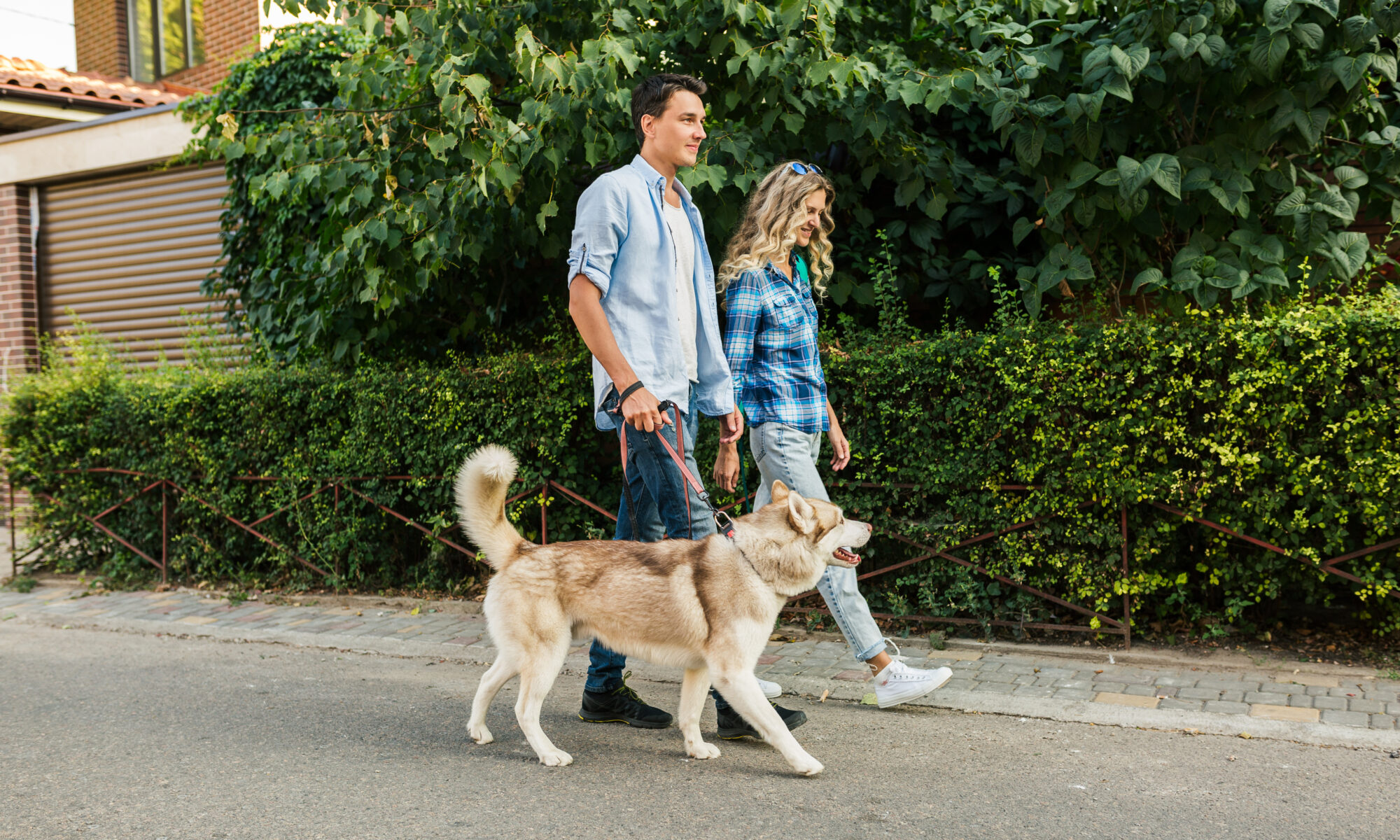
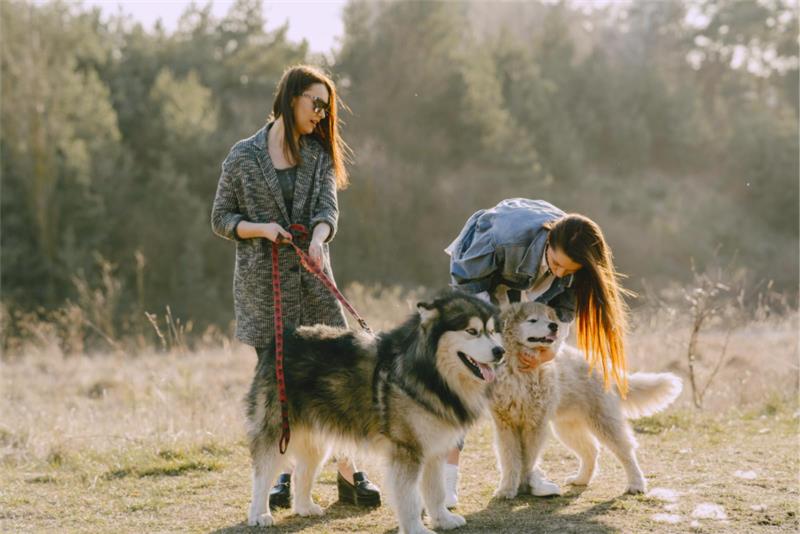
young stylish couple walking with dog in street, man and woman happy together, husky breed, summer season, denim casual style

As a responsible dog owner in New York City, you want the best for your furry companion—especially when you can’t be there during a busy workday or while away from home. That’s where Happy Pants NYC comes in: offering reliable, professional dog walking services tailored to your pup’s needs.

But what actually happens during a walk with us? Whether you’re considering your first booking or just exploring your options, this article will walk you through exactly what to expect from a Happy Pants NYC dog walking session—from start to finish.

Why Choose a Professional NYC Dog Walker?

Living in NYC means long commutes, hectic work schedules, and limited outdoor space for pets. Hiring a trusted dog walker ensures:

  • Regular exercise and mental stimulation
  • Timely potty breaks and routine consistency
  • Social interaction and enrichment
  • Peace of mind for busy pet parents

At Happy Pants NYC, our mission is to provide safe, enjoyable, and personalized walking sessions that support your dog’s well-being—and fit into your lifestyle.

Step 1: Complimentary Meet-and-Greet

Before any dog walking session, we schedule a free in-person meet-and-greet. This allows us to:

  • Learn your dog’s unique personality, behaviors, and preferences
  • Review your pup’s leash/harness setup and any health considerations
  • Go over emergency contacts, home entry protocols, and care instructions

This is a great opportunity for your dog to become familiar with our team, easing anxiety and building trust from the start.

Step 2: Personalized Walk Planning

We tailor every walk to suit your dog’s:

  • Age and energy level
  • Breed and physical condition
  • Temperament and social comfort

Whether your pup is high-energy and loves long adventures or is a senior who prefers short strolls, we’ll create a routine that fits their needs.

We also accommodate special care requests such as:

  • Avoiding certain routes or parks
  • Administering medication
  • Reinforcing training commands
  • Handling leash-reactive or shy dogs with extra care

Step 3: Structured, Safe Walking Experience

Each dog walking session includes the following essentials:

Timely Arrival

We show up on time and ready, equipped with leashes, waste bags, and knowledge of your dog’s care routine. You’ll receive a real-time notification when the walk begins.

Leash and Gear Check

We ensure your dog’s leash, harness, or collar is fitted correctly and secure before heading out. If you prefer specific equipment, we’re happy to use what works best for your dog.

Walk Duration

Our standard walk sessions range from:

  • 20-minute potty breaks
  • 30-minute neighborhood strolls
  • 45–60-minute walks for high-energy dogs

These walks are paced to your dog’s comfort—not rushed or overly strenuous.

Route Planning

We choose safe, low-traffic, and pet-friendly walking routes in your neighborhood. Whenever possible, we use shaded areas, grassy patches, or quiet side streets. Parks and greenways are incorporated based on your location and preferences.

Step 4: Positive Social Interaction

If your dog is social and enjoys the company of other pets, we offer small-group walks with pre-screened dogs of similar temperament and size. For dogs that prefer solo adventures or have special needs, we also provide private, one-on-one walks.

Our walkers are trained in canine behavior and body language. We reinforce calm, confident walking, and gently redirect any signs of stress, pulling, or overexcitement.

Step 5: Clean-Up and Hydration

Every walk includes:

  • Potty clean-up and bag disposal
  • Water refill, if needed, especially in warm weather
  • Towel wipe-down during rainy or snowy days to protect your home from dirt or wet paws

We ensure your dog returns home relaxed, safe, and refreshed.

Step 6: Post-Walk Report with Photos

After each session, you’ll receive a detailed walk report via text or our client portal, which includes:

  • Walk duration and route highlights
  • Notes on your dog’s mood, potty behavior, and energy level
  • Any unusual findings (e.g., limping, loose stool, excessive panting)
  • A photo or two of your happy pup in action

This gives you peace of mind and helps you stay connected to your dog’s day, even when you’re away.

Trust, Consistency, and Communication

At Happy Pants NYC, we pride ourselves on:

  • Reliable scheduling
  • Clear, friendly communication
  • Dog-first values
  • Thorough safety protocols

Each of our walkers is carefully screened, background-checked, and trained in pet first aid and dog behavior management. We’re also fully insured and bonded for your protection.

Our client portal makes it easy to:

  • Book and reschedule walks
  • Leave updated notes or instructions
  • Access invoices and walk summaries
  • Communicate with your assigned walker

Add-On Services and Custom Care

We know life in NYC gets busy, so we offer more than just dog walking. Our services include:

  • Puppy potty training support
  • Feeding and medication administration
  • Overnight pet sitting (limited availability)
  • Weekend and holiday walks
  • Doggy enrichment activities like fetch or scent games (by request)

Whether you need help for one afternoon or ongoing weekly support, we’re here to help your pet thrive.

Benefits of Walking with Happy Pants NYC

Here’s why dog owners across the city choose us:

  • Personalized attention for every dog
  • Structured, consistent walking routines
  • Safety-first approach to city walking
  • Thoughtful communication and accountability
  • Genuine love for animals and the NYC pet community

We’re not just dog walkers—we’re partners in your dog’s happiness and well-being.

Final Thoughts: More Than Just a Walk

A Happy Pants NYC dog walking session is much more than a stroll around the block. It’s an opportunity for:

  • Physical exercise
  • Mental enrichment
  • Social bonding
  • Safety, structure, and joy

When you trust us with your dog, we take that seriously. Our goal is to make each walk a moment of happiness, comfort, and care—just like you would.

Ready to Book a Walk?
Whether you’re new to dog walking services or just looking for a more personalized experience, Happy Pants NYC is here to help.

Contact us today to schedule your complimentary meet-and-greet and find the perfect walking solution for your pup.

Why Running Is Crucial for Dog Health: Tips from an NYC Dog Runner

Happy Pants | Why Running Is Crucial for Dog Health: Tips from an NYC Dog Runner

pasted image

We all know that dogs love to run—but did you know that running can dramatically improve your dog’s physical and emotional well-being? At Happy Pants NYC, our expert NYC dog runners are passionate about giving pups the active lifestyles they crave.
Here’s everything you need to know about the benefits of running and why it might be the perfect addition to your dog’s routine.
Physical Benefits of Dog Running Dogs were born to move. Running strengthens their heart, improves joint function, and helps maintain a healthy weight.

Benefits include:
Improved cardiovascular health
Stronger muscles and joints
Reduced risk of obesity
Increased endurance

At Happy Pants NYC, we customize runs to suit each dog’s fitness level and breed.
Mental Health and Stress Reduction A tired dog is a happy dog. Running isn’t just good for your dog’s body; it’s also crucial for their mind.

Exercise helps to:
Reduce anxiety and boredom
Decrease destructive behaviors
Provide mental stimulation
Our NYC dog runners often see dramatic improvements in mood and behavior after just a few sessions.

Why Choose an NYC Dog Runner?

Running in NYC requires expertise and awareness. Our NYC dog runner team knows how to navigate crowded sidewalks, busy parks, and unpredictable weather.

We:
Choose the safest routes
Monitor your dog’s pace and breathing
Use the right gear for comfort and safety

How Often Should Your Dog Run?
Every dog is different. Some breeds, like Border Collies or Vizslas, need more activity. Others, like Bulldogs or older dogs, require shorter, slower runs.
We help you build a custom schedule based on your dog’s needs. Whether it’s once a week or daily, consistency is key to maximizing the benefits.

Common Mistakes to Avoid Don’t risk injury or stress by pushing your dog too hard. Common mistakes include:
Running on hot pavement
Skipping hydration breaks
Ignoring signs of fatigue
At Happy Pants NYC, we prioritize safety and well-being with every run.

Complementing Walks with Runs Running isn’t a replacement for walking—it’s a complement. Dogs benefit from a mix of physical activities.
We recommend alternating between:
Brisk walks
Short training sessions
Longer runs for high-energy dogs
Explore our full range of dog walking and dog running services to find the perfect balance.

Client Spotlights Meet Daisy, a Labrador who struggled with weight and anxiety. After three weeks of running with our team, she shed pounds and gained confidence. Her owner says she’s “a completely different dog.”
Success stories like Daisy’s are why we love what we do.

Running offers immense benefits for your dog’s physical and emotional health. From managing weight to boosting mood, it’s one of the best gifts you can give your furry friend.
Let our expert NYC dog runners help your pup live their best, most active life. Contact us here to get started today.

How to Make Dogs Happy: A Guide from Your Trusted NYC Dog Walker

Puppy Sitter

Puppy Sitter

Every dog deserves a life full of tail wags, happy barks, and endless adventures. At Happy Pants NYC, we believe that happiness starts with proper care, companionship, and activity. As a premier NYC dog walker service, we’ve seen firsthand how simple routines and loving attention can transform a dog’s demeanor. In this guide, we’ll share the most effective ways to keep your pup happy and thriving in the big city.

Understanding Your Dog’s Needs A happy dog is a healthy dog—physically, mentally, and emotionally. To truly keep your pet content, it’s crucial to address their core needs:

Exercise: Dogs of all sizes need daily movement.
Social Interaction: Dogs are naturally social and crave connection.
Mental Stimulation: Games, puzzles, and training are key.
Nutrition: A balanced diet supports mood and energy.
Routine: Consistency builds security and trust.

Daily Walks with a Professional NYC Dog Walker Walking is one of the most important parts of your dog’s day. It’s not just exercise—it’s exploration, stimulation, and bonding.
At Happy Pants NYC, our NYC dog walker team understands that every dog has unique preferences. Some love brisk walks, while others prefer to sniff every lamppost. We cater to them all, offering personalized walking services to fit your dog’s temperament and energy level.

The Role of Play and Toys Interactive play keeps your dog’s mind sharp and their spirit joyful. Puzzle toys, tug-of-war, fetch, and hide-and-seek games stimulate mental function and promote happiness.
We often bring toys on walks or suggest new ones based on your dog’s personality. Happy Pants walkers are more than caregivers—we’re playmates and enrichment coaches.

Positive Reinforcement and Training A positive environment builds a confident and happy dog. Reinforcing good behavior with praise and treats helps dogs feel secure and loved.
During our walks, we support your dog’s training by encouraging basic commands like sit, stay, and heel. This consistency not only reinforces behavior but also boosts your dog’s confidence.

Companionship and Socialization Dogs thrive when they can interact with other canines and humans. That’s why our group walks and playdates are so valuable.
We carefully match dogs with compatible energy levels and temperaments, allowing them to form lasting bonds. Your dog gets the chance to socialize safely under the watchful eye of our expert walkers.

Keeping a Healthy Diet Diet plays a major role in your dog’s overall happiness. A high-quality, balanced diet ensures steady energy, a healthy coat, and a calm demeanor.
Talk to your vet about the right food for your pup’s age and breed. And always provide fresh water, especially after walks or runs around NYC.

The Happy Pants NYC Difference Our mission is to create happier dogs and less-stressed owners. We go above and beyond the typical NYC dog walker services by focusing on:

Individual attention
Enrichment during every visit
Reliable, vetted professionals
Group walks and solo sessions tailored to your dog’s needs
Don’t just take our word for it—our client testimonials speak volumes.

Making your dog happy isn’t complicated—it’s about consistent love, activity, and attention. Whether it’s a long stroll through Central Park or a friendly visit with one of our walkers, every moment counts.

Ready to bring more joy to your dog’s day? Book your personalized walk with a trusted NYC dog walker today, or contact us to learn more.

Because NYC Dogs Deserve the Best 🐾

Happy Pants | Because NYC Dogs Deserve the Best 🐾

New York City dogs are some of the luckiest (and sassiest) pups in the world. From chasing pigeons in Central Park to strutting through SoHo, these city canines have it made. But one thing is non-negotiable—your dog needs regular walks, exercise, and love, even when you’re stuck in meetings or caught in subway delays.
Enter: the best dog walkers in NYC.
At HappyPantsNYC, we’re redefining dog walking with personality, professionalism, and pure pup joy. Whether you’re in Brooklyn, Manhattan, or Queens, our crew is here to help your pup live their best NYC life.

Why “Best” Really Matters in NYC
Let’s be real—this city doesn’t settle. When it comes to dog walkers, you shouldn’t either.
Here’s why quality matters:
1. City Streets Are No Joke
Buses, bikes, squirrels, and crowds—NYC sidewalks are wild. You need a confident, experienced walker who can keep your dog safe and calm.
2. Your Pup is Unique
Whether your dog is leash-reactive, a senior sweetheart, or a hyper zoomie machine, they need a walker who understands their vibe.
3. You Deserve Peace of Mind
You’re trusting someone with a member of your family. That trust has to be earned—with communication, consistency, and lots of tail wags.

Traits of the Best Dog Walkers in NYC
If you’re searching for the best dog walker NYC has to offer, here’s what to look for:
🐾 Deep Dog Knowledge
Great walkers aren’t just leash-holders—they understand canine behavior, energy levels, and breed-specific quirks.
🐾 Punctuality & Professionalism
You live by your Google Calendar, and so should your walker. Reliability is key.
🐾 Communication Masters
The best walkers send updates, photos, and even cute captions after each walk. You’ll never be left wondering, “Did Sparky enjoy himself today?”
🐾 Bonded & Insured
It’s a must in this city. Protect your pup—and yourself—with a walker who takes their job seriously.
🐾 Local Love
The best dog walkers know the neighborhood—where the dog parks are, which buildings have friendly doormen, and which sidewalks to avoid during trash pickup.

Top NYC Neighborhoods with Dog-Walking Magic
Here’s where the best dog walkers in NYC shine:
🌆 Upper West Side
Dog heaven. Near Riverside and Central Park, the UWS is made for leash time. Think leafy streets, friendly faces, and loads of other pups to sniff hello.
🏙️ Williamsburg, Brooklyn
Trendy dogs walk here. With Domino Park and waterfront vibes, Williamsburg pups get the bougie treatment.
🌳 Astoria, Queens
Underrated but dog-tastic. Astoria Park, tons of quiet blocks, and growing demand for quality walkers make this a hot spot.
🌉 DUMBO
The views? Impeccable. DUMBO dogs enjoy scenic walks by the East River and plenty of Instagram-worthy moments.

Meet the Best in the Biz: HappyPantsNYC 🐶
Let’s be honest—finding the best dog walkers in NYC isn’t just about reading reviews. It’s about finding someone your dog clicks with. That’s where HappyPantsNYC comes in.
Here’s what makes us stand out:
🐾 Carefully vetted walkers who LOVE dogs (and it shows)

🐾 One-on-one matching to pair your dog with the right walker

🐾 Real-time walk tracking + adorable photo updates

🐾 Flexible packages, including solo and group walks

🐾 Service across Manhattan, Brooklyn, and Queens

We’re more than a service—we’re a second family for your furry friend.

Client Love ❤️
“My dog is obsessed with his walker. The team at HappyPantsNYC is responsive, professional, and just amazing with animals. Absolute lifesavers!” – Riley, Brooklyn Heights
“After trying a few apps, I switched to HappyPantsNYC and never looked back. They get dogs and genuinely care. 10/10.” – Jamila, Upper East Side
“As a new dog mom, I was nervous leaving my pup alone. These guys walked me through every step, and now I get the cutest updates daily.” – Mark, Midtown

Choosing the Right Dog Walker for Your Dog’s Personality
Every dog has a unique paw-sonality. Here’s a quick guide to help match them with the right walker:
🐕 The Social Butterfly
Loves every dog, every person, every squirrel. Ideal for group walks and park adventures.
🐾 The Sensitive Sweetheart
Needs patience and consistency. Best suited for solo walks with a calm, confident walker.
🐕‍🦺 The High-Energy Pup
Zoomies at 7 AM? No problem. Book with someone ready for long, brisk walks or jogs.
🦴 The Senior Snuggler
Slow, short walks with lots of sniffing and TLC. Needs someone with a gentle touch.
At HappyPantsNYC, we offer free consultations to make sure your dog gets the walker that’s perfect for their pace, quirks, and cuteness.

Dog Walker vs Dog Walking App: What’s Better?
Apps are easy, but not always personal. If you’re serious about quality, consider a local team like HappyPantsNYC.

Dog Care Tips From NYC Pros
Here’s what our walkers say about caring for pups in the big city:
1. Leash Manners Matter
Practice loose leash walking—it makes every stroll smoother and safer.
2. Pack Light, Pack Smart
Always have poop bags, treats, and a collapsible water bowl.
3. Know the Hot Spots
Some sidewalks get super hot in summer. If it’s too hot for your hand, it’s too hot for paws.
4. Rain Isn’t an Excuse
Get a good doggy raincoat. Walks still happen, even when it’s pouring!
5. Routine Rules
Dogs love structure. Try to schedule walks around the same time each day to help reduce anxiety.

Booking with HappyPantsNYC is Easy as Woof 🐕
We know you’re busy—so we make things simple.
✅ Step 1: Fill out our quick intake form
✅ Step 2: Schedule a free meet & greet
✅ Step 3: Choose your walk package
✅ Step 4: Enjoy peace of mind while we tire your pup out 💤

The Bottom Line: Give Your Dog the Best
New Yorkers know how to hustle—but don’t let your pup’s care fall through the cracks. Choosing the best dog walkers in NYC means happier dogs, happier owners, and fewer chewed-up sneakers.
With HappyPantsNYC, you’re not just booking a walk—you’re joining a family of dog lovers dedicated to making every walk joyful, safe, and personalized.
📍 Ready to meet your pup’s new BFF? Book a walk today!