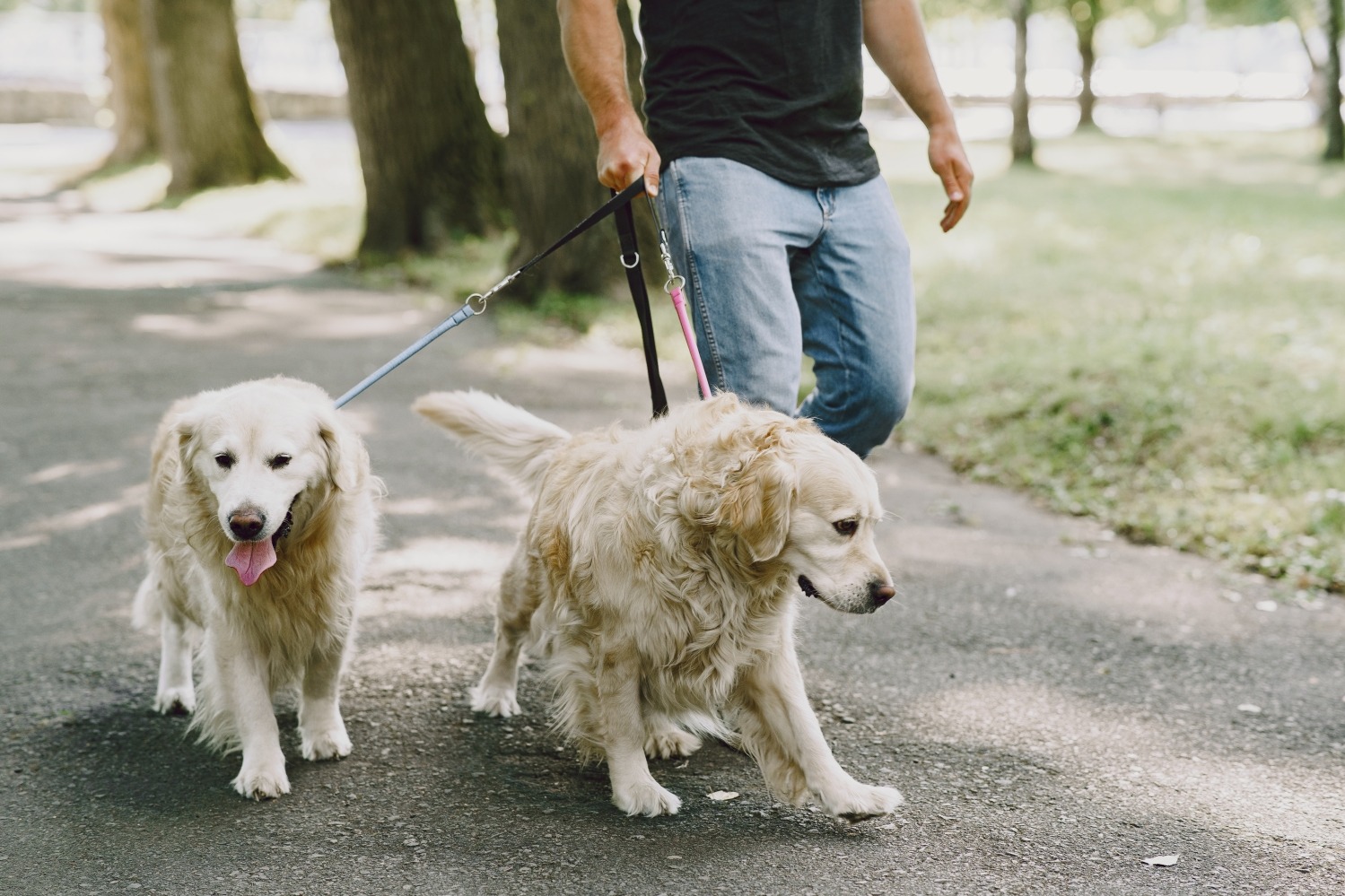
NYC summers bring heat, humidity, and long stretches of direct sun that can make outdoor activities risky for dogs. Walking dogs in hot weather requires more than carrying a water bottle. It means understanding how heat affects your dog, knowing when to shorten or skip a walk, and recognizing the early signs of heat exhaustion before they become an emergency.
New York City adds its own layer of complexity. Concrete and asphalt absorb heat throughout the day and radiate it back long after the sun sets. Tall buildings can block breezes, subway grates vent warm air, and crowded sidewalks make it harder for dogs to find shade. For NYC summer pets, the difference between a safe walk and a dangerous one often comes down to timing, preparation, and knowing what to watch for.
Understanding how dogs regulate heat
Unlike humans, dogs do not sweat through their skin. They cool themselves primarily through panting, which moves air over the moist surfaces of their tongue and airway. This system works well in moderate temperatures but becomes far less effective in high heat and humidity.
The Cornell University College of Veterinary Medicine explains that dogs cannot cool themselves as efficiently as humans and are at greater risk for overheating in extreme temperatures. Factors such as age, breed, body weight, and underlying health conditions all affect how well a dog can regulate its body temperature. Brachycephalic breeds like French Bulldogs, Pugs, and Boston Terriers are especially vulnerable because their shortened airways make panting less effective.
The American Veterinary Medical Association also notes that overweight dogs and senior dogs have a harder time in hot weather and may need shorter walks or schedule changes to avoid the hottest hours.
Time your walks carefully
One of the most important summer dog safety practices is adjusting when you walk your dog. The safest times are early morning before temperatures rise and late evening after the pavement has had time to cool. Midday walks between 10 AM and 4 PM carry the highest risk because both air temperature and surface temperature peak during those hours.
NYC’s concrete environment makes timing even more critical. Asphalt and sidewalks can reach temperatures far above the air temperature, sometimes exceeding 125 degrees on a 90 degree day. If you are unsure whether the ground is safe, place the back of your hand on the pavement for five seconds. If it is too hot for your hand, it is too hot for your dog’s paws.
Protect your dog’s paws
Paw pad burns are a common and painful summer injury. Concrete, asphalt, and metal subway grates can all cause serious damage. The NYC Department of Health advises owners to watch for signs of burned paw pads including limping, reluctance to walk, blisters, redness, and excessive licking or chewing at the feet.
Walking on grass whenever possible is one of the simplest ways to protect your dog’s feet. Shaded routes through parks or tree lined streets are also safer options. If your dog will tolerate them, protective booties can provide an additional barrier against hot surfaces. Some owners also use pet safe paw balm to help condition and protect paw pads.
Hydration and shade
Access to fresh, cool water is essential during summer walks. Carry a collapsible bowl and offer water every 15 to 20 minutes, especially on humid days. Dogs should drink small amounts at a time rather than gulping large quantities, which can cause bloating or vomiting.
Choosing shaded routes does more than keep the ground cooler. Shade lowers your dog’s overall body temperature and reduces the risk of overheating. In NYC, tree lined blocks, park paths, and streets with tall buildings that block direct sun can all provide relief. If your dog seems warm, stop in a shaded area and let them rest before continuing.
For dogs that benefit from longer social outings, extended playgroup sessions offer supervised activity that includes walking, park time, and social play with small compatible groups.
Recognize the signs of heat exhaustion
Dog heat exhaustion can progress quickly to heatstroke, which is a life threatening emergency. Knowing the early signs allows you to act before the situation becomes critical.
Common early symptoms include heavy or excessive panting, drooling and thick saliva, bright red or pale gums, rapid heart rate, weakness or stumbling, vomiting or diarrhea, confusion or disorientation, and reluctance to continue walking.
If you notice any of these signs, stop the walk immediately. Move your dog to a cool, shaded area or indoors with air conditioning. Offer small amounts of cool, not cold, water. You can also wet your dog’s body with cool water, focusing on the neck, belly, and inner thighs. Do not use ice or very cold water, as this can cause blood vessels to constrict and trap heat inside the body.
The Cornell University College of Veterinary Medicine warns that if symptoms progress to include bloody diarrhea, vomiting, weakness, confusion, seizures, or collapse, the dog should be taken to a veterinary hospital immediately.
Adjusting walk length and intensity
Summer is not the time for long, strenuous walks. Shorter, more frequent outings are safer than extended sessions during peak heat. High energy dogs that normally need long walks may benefit from individualized walking sessions that can be adjusted for pace and duration based on the weather.
Puppies and senior dogs need extra attention during hot weather. Puppies are still developing their ability to regulate temperature, while older dogs may have underlying health conditions that make heat more dangerous. The puppy care program combines outdoor walks with indoor play, which can be a good option when outdoor conditions are too harsh for young dogs.
On extreme heat days, indoor activities may be the safest choice. Mental stimulation through training games, puzzle feeders, and indoor play can help your dog burn energy without exposure to dangerous temperatures.
What professional dog walking services do in hot weather
If you rely on a professional dog walking service during the workday, it is important to understand how they handle extreme heat. Ask whether walkers are trained to recognize signs of overheating, whether they carry water, and how they adjust walks during heat advisories.
Happy Pants states that its walkers show up regardless of weather but may shorten outdoor time and move to indoor play during heavy rain or extreme heat. This type of protocol is especially relevant for dogs that receive midday walks during the hottest part of the day.
For extended absences, in home dog sitting provides continuity of care in a climate controlled environment, including walks, feeding, and companionship.
A simple summer routine
You do not need to avoid walking your dog entirely during summer. With a few adjustments, you can keep your dog active and safe. Walk early or late, test the pavement, carry water, choose shade, and watch for signs of overheating. On the hottest days, shorter walks or indoor play are perfectly acceptable substitutes.
Still preparing your dog for summer walks? Review the available walking options and find a routine that keeps your dog cool, safe, and happy all season long.
Frequently Asked Questions
2. How can I tell if the pavement is too hot for my dog?
Place the back of your hand on the ground for five seconds. If it is too hot for your hand, it is too hot for your dog's paws.
3. What are the first signs of heat exhaustion in dogs?
Heavy panting, excessive drooling, bright red gums, weakness, and reluctance to continue walking are common early signs that require immediate attention.
4. Does Happy Pants adjust walks during hot weather?
Yes, the company's walkers may shorten outdoor time and move to indoor play during heavy rain or extreme heat to keep dogs safe.
5. Are certain breeds more at risk in hot weather?
Yes, flat faced breeds like French Bulldogs and Pugs, along with senior and overweight dogs, are more susceptible to heat related illness and need extra precautions.
2. How can I tell if the pavement is too hot for my dog?
Place the back of your hand on the ground for five seconds. If it is too hot for your hand, it is too hot for your dog's paws.
3. What are the first signs of heat exhaustion in dogs?
Heavy panting, excessive drooling, bright red gums, weakness, and reluctance to continue walking are common early signs that require immediate attention.
4. Does Happy Pants adjust walks during hot weather?
Yes, the company's walkers may shorten outdoor time and move to indoor play during heavy rain or extreme heat to keep dogs safe.
5. Are certain breeds more at risk in hot weather?
Yes, flat faced breeds like French Bulldogs and Pugs, along with senior and overweight dogs, are more susceptible to heat related illness and need extra precautions.