
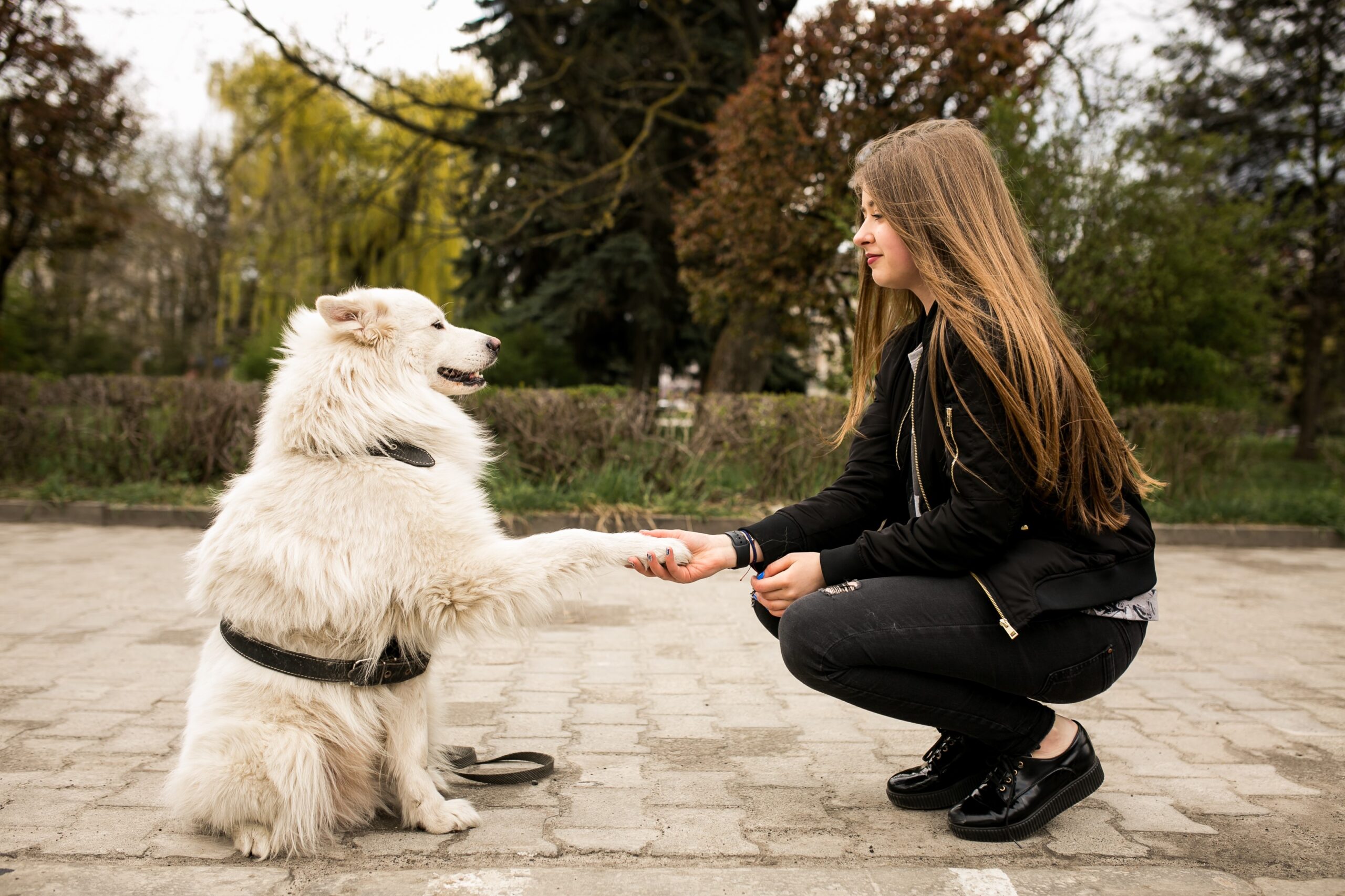
Socialization is a critical aspect of a puppy’s development, shaping how they interact with the world around them. One of the most effective ways to encourage healthy social behavior is through puppy play groups. These structured sessions provide a safe, supervised environment where puppies can learn important social cues, develop confidence, and establish positive habits early in life.
For dog owners seeking a balanced and well-adjusted pup, understanding the role of puppy play groups is essential. This article explores their benefits, how they work, and how to choose the right dog play group for your puppy.
Why Socialization Matters for Puppies
Puppies are highly impressionable during the early stages of life, typically between 8 and 16 weeks of age. Experiences during this period can shape behavior for years to come.
Social skills: Puppies exposed to a variety of people, dogs, and environments learn to respond appropriately to different stimuli. This reduces fear, aggression, and anxiety later in life.
Confidence: Structured play helps build self-assurance, teaching puppies that new situations can be positive and enjoyable.
Behavioral development: Positive interactions with other dogs and people encourage good manners, bite inhibition, and proper play etiquette.
By participating in a small dog play group, puppies can gain these essential skills in a controlled and safe manner.
What Are Puppy Play Groups?
A puppy play group is a supervised session where young dogs interact with one another under the guidance of trained professionals. The goal is to provide a safe environment for socialization, exercise, and skill-building.
Unlike unstructured dog parks or casual meetups, professional puppy play groups focus on positive experiences, monitoring behavior, and ensuring all participants are compatible in size, temperament, and energy level.
Key Features of a Puppy Play Group
- Supervised interaction: Experienced handlers observe puppy behavior, intervene if needed, and guide play in a constructive way.
- Age and size consideration: Puppies are typically grouped with others of similar age and size, reducing the risk of injury or overwhelming interactions.
- Structured activities: Play sessions include games, social exercises, and controlled exposure to new stimuli.
- Learning environment: Puppies learn to read social cues, wait their turn, and develop proper play behavior.
Benefits of Puppy Play Groups
Engaging your puppy in a structured dog play group offers numerous advantages that extend into adulthood.
Improved Socialization
Puppies learn how to communicate with other dogs and humans effectively. This exposure helps prevent fear-based aggression and anxiety, fostering more confident adult dogs.
Encourages Positive Behavior
Through guided interactions, puppies develop important social skills, such as sharing, taking turns, and bite inhibition. These early lessons are vital in shaping a well-behaved dog.
Physical Exercise
Puppy play groups provide a safe space for active play, helping to expend energy and maintain a healthy physical condition. Adequate exercise can also reduce destructive behavior at home.
Mental Stimulation
Structured activities challenge puppies to think, solve problems, and adapt to new situations. Mental stimulation is as important as physical activity in preventing boredom and promoting overall well-being.
Confidence Building
By exposing puppies to new experiences in a controlled environment, they develop self-confidence. Confident puppies are less likely to display fear or aggression in unfamiliar situations.
Choosing the Right Dog Play Group
Not all puppy play groups are created equal. Selecting a program that aligns with your puppy’s needs is essential for safety and effectiveness.
Consider Age and Size
Ensure the group matches your puppy’s age and size. A small dog play group is ideal for smaller breeds to prevent accidental injury and ensure appropriate play dynamics.
Look for Qualified Supervision
Handlers should have experience with puppy behavior and training. They must be able to intervene appropriately and provide guidance for positive interactions.
Safety and Hygiene
Check that the environment is clean, secure, and free from hazards. Vaccination requirements should be enforced to prevent the spread of illness.
Structured Play and Learning
A quality puppy play group balances free play with structured activities, reinforcing social skills, basic commands, and positive habits.
Tips for Maximizing the Benefits of Puppy Play Groups
- Start early: Begin socialization as soon as your puppy is fully vaccinated.
- Be consistent: Regular participation helps reinforce learned behaviors.
- Observe your puppy: Monitor how they interact and adjust participation if they appear stressed or overwhelmed.
- Combine with training: Use the skills learned in play groups during at-home training sessions.
Puppy Play Groups vs. Unsupervised Play
While dog parks and casual meetups can provide socialization, they lack the structure, supervision, and learning opportunities of a puppy play group. Unsupervised play can sometimes lead to negative experiences, fear, or aggression if interactions become rough or unsafe. Structured groups offer guided learning in a controlled environment, reducing risks and maximizing benefits.
Long-Term Benefits for Well-Behaved Dogs
Puppies that participate in consistent, well-managed puppy play groups often grow into well-adjusted adult dogs. These benefits include:
- Reduced anxiety and fear in new situations
- Proper social etiquette with other dogs and humans
- Better response to commands and training
- Fewer behavior problems such as excessive barking or aggression
- Enhanced overall quality of life and adaptability
By investing in socialization through puppy play groups, owners help set the foundation for a happier, healthier, and more confident dog.
Integrating Puppy Play Groups into Your Routine
To fully leverage the benefits of a dog play group, consider the following integration strategies:
- Schedule regular sessions weekly to maintain consistency.
- Pair play group sessions with short daily walks for physical exercise.
- Practice learned skills at home to reinforce positive behavior.
- Monitor social progress and adjust group settings if needed.
For those living in urban environments like New York City, structured play groups provide a safe outlet for energy and social growth that might otherwise be difficult to achieve. Learn more about available programs and schedules at Happy Pants.
Conclusion
Puppy play groups are an invaluable tool in raising confident, well-behaved dogs. Through supervised interaction, structured play, and socialization exercises, puppies develop essential life skills that influence their behavior for years to come.
For small breeds or puppies requiring extra attention, small dog play groups offer a safe and controlled environment for learning social cues and building confidence. By choosing the right program and participating consistently, dog owners can ensure their puppy grows into a balanced and happy adult dog.
Investing time in puppy play groups is not just about fun—it’s about shaping a foundation for lifelong well-being and behavior.