
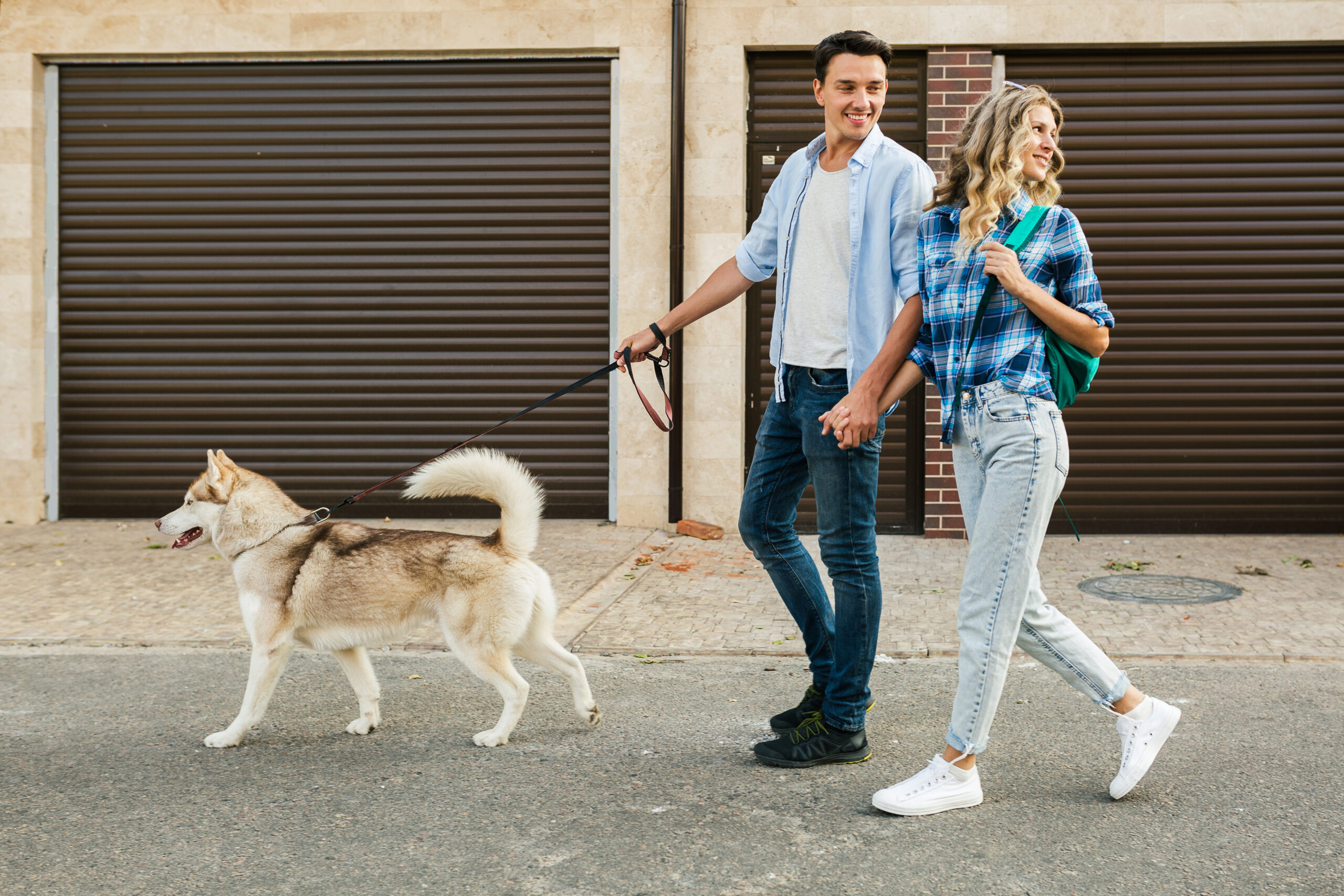
Walking your dog every day is one of the most important responsibilities of pet ownership. Regular walks provide much more than bathroom breaks—they help maintain your dog’s physical health, support mental stimulation, encourage good behavior, and strengthen the bond between you and your pet. However, there is no one-size-fits-all answer to how often you should walk your dog. The ideal walking schedule depends on factors such as your dog’s age, breed, energy level, health, and lifestyle. By understanding your dog’s unique exercise needs, you can create a routine that keeps them happy, healthy, and well-balanced.
Why Daily Walks Are Essential for Dogs
Daily dog walks are essential as they support physical health, provide mental enrichment, and help keep dogs happy and engaged. Dogs naturally enjoy exploring their environment through sights, sounds, and especially scents. Regular walks satisfy these instincts while helping prevent boredom and frustration.
Exercise also helps maintain a healthy weight, improves cardiovascular health, strengthens muscles and joints, and reduces the risk of obesity-related health conditions. Beyond physical benefits, walking gives dogs an opportunity to socialize with people and other animals, making them more confident and well-adjusted.
Dogs that receive adequate daily exercise are generally calmer at home and less likely to develop destructive habits such as excessive barking, chewing furniture, digging, or pacing.
How Often Should You Walk Your Dog Each Day
Most healthy adult dogs benefit from two to three walks each day. Typically, one longer walk provides exercise and mental stimulation, while shorter walks allow for bathroom breaks and light activity.
Highly active dogs may require additional walks or other forms of exercise to burn excess energy. On the other hand, dogs with lower activity levels may be comfortable with shorter walks, provided they still receive regular opportunities to move and explore.
Rather than focusing only on the number of walks, pay attention to your dog’s behavior. A relaxed, content dog after exercise usually indicates their activity needs are being met.
Dog Walking Schedule by Age
Age is one of the biggest factors in determining how much exercise your dog needs.
Puppies
Puppies have developing bones and joints, so exercise should be moderate and spread throughout the day. Short, frequent walks help build confidence, improve socialization, and support house training.
A commonly used guideline is approximately five minutes of walking per month of age, repeated several times daily. Puppies also benefit from supervised play sessions that allow them to burn energy safely.
Adult Dogs
Healthy adult dogs generally require between 30 and 90 minutes of daily exercise depending on their breed and activity level. Splitting exercise into two or three walks helps maintain energy levels throughout the day while preventing boredom.
Senior Dogs
Older dogs often experience reduced mobility or joint stiffness, but regular movement remains important. Shorter, slower walks help maintain flexibility, muscle strength, and circulation without placing unnecessary stress on aging joints. Frequent but gentle exercise is often more beneficial than one long walk.
How Breed and Activity Level Affect Exercise Needs
Every breed has different exercise requirements. Understanding your dog’s natural energy level helps create an appropriate walking routine.
Working and sporting breeds such as Border Collies, Labrador Retrievers, German Shepherds, Australian Shepherds, and Siberian Huskies generally require longer walks and additional physical activities each day. These breeds were developed for demanding jobs and often need structured exercise to remain physically and mentally satisfied.
Moderately active breeds typically do well with two or three daily walks combined with playtime.
Lower-energy breeds, including Bulldogs, Basset Hounds, and Shih Tzus, still need daily walks but may be satisfied with shorter sessions. Even small dogs require consistent exercise to maintain good health and prevent weight gain.
Exercise Is More Than Just Walking
Walking is an important part of your dog’s daily routine, but it should not be the only source of activity.
Interactive games such as fetch, tug-of-war, scent work, obedience training, puzzle toys, and agility exercises provide valuable mental stimulation. These activities challenge your dog’s brain while strengthening your relationship and helping reduce boredom.
Allowing your dog time to sniff during walks also provides mental enrichment. Sniffing is a natural behavior that helps dogs process information about their surroundings and can be surprisingly tiring.
Signs Your Dog Needs More or Less Exercise
Your dog’s behavior often provides the best indication of whether their exercise routine needs adjustment.
Dogs that are not receiving enough activity may become restless, hyperactive, bark excessively, chew household items, dig, or constantly seek attention. Increasing daily walks or adding mentally stimulating activities can often improve these behaviors.
On the other hand, excessive exercise may cause fatigue, soreness, limping, or reluctance to go for walks. If your dog appears exhausted or uncomfortable after exercise, reducing the intensity or duration may be appropriate.
If you notice sudden changes in your dog’s energy level or mobility, consult your veterinarian to rule out underlying health issues.
Creating a Healthy Daily Walking Routine
Dogs thrive on consistency. Walking your dog at approximately the same times each day helps establish predictable bathroom habits, reduces anxiety, and creates a stable routine.
Aim to balance longer exercise walks with shorter outings throughout the day. Morning walks can help your dog burn energy before spending time indoors, while evening walks provide another opportunity for exercise and relaxation before bedtime.
Adjust the schedule based on weather conditions, your dog’s age, and seasonal changes. During hot weather, walk during cooler morning or evening hours and always carry fresh water for longer outings.
Common Dog Walking Mistakes to Avoid
Many owners unintentionally make mistakes that reduce the benefits of daily walks.
Walking too quickly without allowing your dog time to explore can limit mental stimulation. Similarly, relying solely on short bathroom breaks may not provide enough physical activity for most dogs.
Another common mistake is suddenly increasing exercise intensity. Dogs should gradually build endurance, especially puppies, senior dogs, and pets returning to activity after illness or injury.
Finally, always use properly fitted collars or harnesses and secure leashes to keep your dog safe during every walk.
Benefits of Hiring a Professional Dog Walker
Busy schedules can make it difficult to maintain a consistent walking routine. Hiring a professional dog walker ensures your dog continues receiving regular exercise even when you’re unavailable.
Professional walkers can provide structured outings, reinforce good leash manners, and help maintain consistency throughout the week. Regular walks can also reduce boredom during long workdays and contribute to better overall behavior at home.
Conclusion
There is no universal answer to how often you should walk your dog because every dog has unique exercise needs. Most adult dogs benefit from two to three walks each day, while puppies require shorter, more frequent outings and senior dogs often do best with gentle, consistent exercise. By considering your dog’s age, breed, activity level, and overall health, you can create a daily routine that supports both physical fitness and mental wellbeing. Combined with play, training, and enrichment activities, regular walks help your dog live a healthier, happier, and more balanced life. Need help creating the right routine for your dog? Contact us today for personalised guidance and support.
Frequently Asked Questions
How long should each dog walk be?
Most dogs benefit from 30 to 60 minutes of total daily exercise, divided into multiple walks based on their age and energy level.
Is one walk a day enough?
For most healthy adult dogs, one walk alone is not enough. Additional walks or other forms of exercise help meet their physical and mental needs.
Do puppies need more frequent walks?
Yes. Puppies need several short walks throughout the day to support healthy development, socialization, and potty training.
What if my dog doesn't like long walks?
Some breeds and senior dogs naturally prefer shorter walks. Focus on consistency and supplement walks with indoor play and mental enrichment activities.
Can bad weather replace a walk?
Occasionally, yes. During extreme weather, indoor games, training sessions, puzzle toys, and scent work can provide valuable physical and mental stimulation until outdoor walks are safe again.
How long should each dog walk be?
Most dogs benefit from 30 to 60 minutes of total daily exercise, divided into multiple walks based on their age and energy level.
Is one walk a day enough?
For most healthy adult dogs, one walk alone is not enough. Additional walks or other forms of exercise help meet their physical and mental needs.
Do puppies need more frequent walks?
Yes. Puppies need several short walks throughout the day to support healthy development, socialization, and potty training.
What if my dog doesn't like long walks?
Some breeds and senior dogs naturally prefer shorter walks. Focus on consistency and supplement walks with indoor play and mental enrichment activities.
Can bad weather replace a walk?
Occasionally, yes. During extreme weather, indoor games, training sessions, puzzle toys, and scent work can provide valuable physical and mental stimulation until outdoor walks are safe again.