
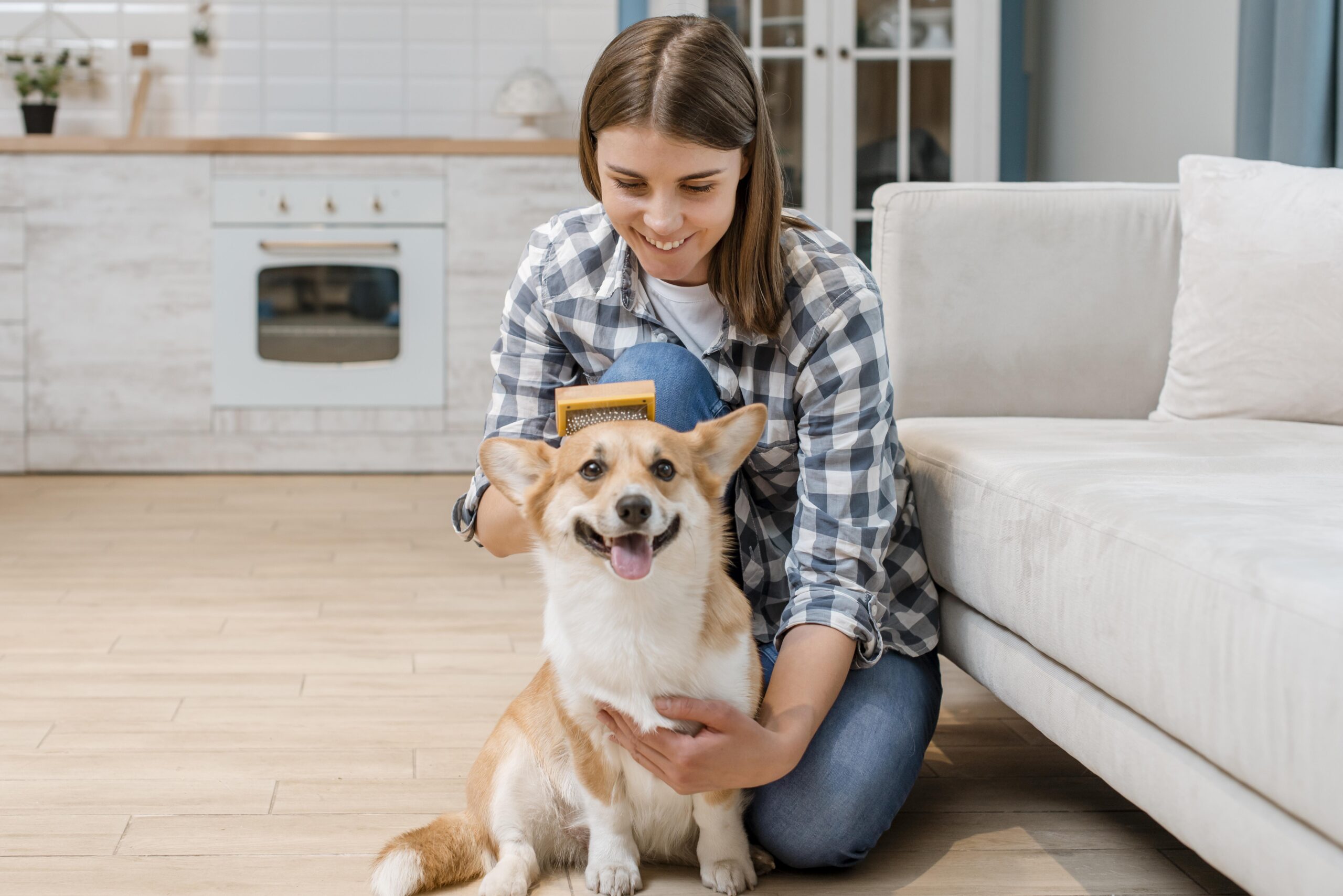
Bringing home a new puppy is an exciting milestone, but raising a happy and healthy dog in New York City comes with unique challenges. Apartment living, busy sidewalks, traffic, limited green spaces, and demanding work schedules all require thoughtful planning. From establishing a daily routine to socializing your puppy and managing potty training, every stage of puppy care plays an important role in their development. With consistency, patience, and the right support, you can help your puppy adjust to city life and grow into a confident, well-behaved companion.
Bringing a Puppy Home in NYC
Your puppy’s first few days at home set the foundation for future behavior and confidence. Before bringing your puppy home, prepare a safe space with a comfortable bed, food and water bowls, toys, a crate, and any supplies recommended by your veterinarian.
Allow your puppy time to explore their new environment gradually. Avoid introducing too many new people or experiences during the first few days, as this can be overwhelming. Instead, focus on creating a calm, predictable routine that helps your puppy feel secure.
For apartment living, begin introducing your puppy to common experiences such as elevators, hallways, building entrances, and neighborhood noises in a positive and controlled way.
Creating a Healthy Puppy Routine
Puppies thrive on consistency. A structured daily routine helps with house training, reduces anxiety, and encourages good behavior.
Plan regular times for meals, potty breaks, walks, playtime, training sessions, and naps. Young puppies need frequent bathroom breaks throughout the day, especially after eating, drinking, sleeping, or playing.
Consistent schedules help puppies learn what to expect each day, making it easier for them to adapt to your household and develop healthy habits.
Feeding, Exercise, and Sleep Essentials
Proper nutrition is essential for healthy growth and development. Feed your puppy a high-quality diet that meets their age and breed requirements, and always provide access to fresh, clean water.
Exercise should be appropriate for your puppy’s age and physical development. Short walks, supervised play sessions, and gentle exploration provide enough activity without placing excessive strain on growing bones and joints.
Rest is equally important. Puppies often sleep between 16 and 20 hours each day, allowing their bodies and brains to develop properly. Ensure your puppy has a quiet, comfortable place where they can relax without interruptions.
Potty Training in an Apartment
Potty training is one of the biggest challenges for many NYC puppy owners, especially those living in apartments. Success depends on consistency, patience, and frequent opportunities for your puppy to relieve themselves.
Take your puppy outside on a regular schedule and always reward successful potty breaks with praise or treats. Learn to recognize signs that your puppy needs to go, such as sniffing, circling, or heading toward the door.
Accidents are a normal part of the learning process. Instead of punishing your puppy, clean accidents thoroughly and continue reinforcing positive bathroom habits.
As your puppy becomes more reliable, they will gradually learn to communicate when they need to go outside.
Socialization and Early Training
Socialization helps puppies become comfortable with new people, environments, sounds, and experiences. In a busy city like New York, introducing your puppy to everyday situations is essential for building confidence.
Gradually expose your puppy to traffic, bicycles, construction sounds, strollers, elevators, and different types of people while rewarding calm behavior. Controlled introductions to friendly, vaccinated dogs also help puppies develop healthy social skills.
Early obedience training teaches basic commands such as sit, stay, come, and loose-leash walking. Positive reinforcement builds trust while helping your puppy understand appropriate behavior.
Professional Puppy Care Services in NYC
Balancing work, family, and daily responsibilities can make it difficult to provide young puppies with the attention they need throughout the day. Professional puppy care services offer valuable support by maintaining routines and reinforcing healthy habits while you’re away.
Depending on your needs, professional puppy care may include scheduled potty breaks, feeding, walks, supervised playtime, basic training reinforcement, medication administration when necessary, and companionship. Some providers also offer puppy socialization sessions and enrichment activities designed to encourage confidence and mental stimulation.
For many NYC pet owners, professional care provides peace of mind while ensuring puppies receive consistent attention during the critical early months of development.
When to Hire Professional Puppy Support
Professional puppy care can be especially helpful if you work full-time, travel frequently, or have an unpredictable schedule. Young puppies cannot comfortably wait long periods without bathroom breaks or human interaction.
Professional support can also benefit first-time dog owners who want guidance with house training, leash manners, socialization, and daily routines. Having experienced caregivers reinforce positive behaviors helps puppies learn more quickly and reduces the risk of unwanted habits developing.
Even occasional puppy visits during busy workdays can make a significant difference in your puppy’s comfort and progress.
Choosing the Right Puppy Care Provider
Finding the right caregiver is an important decision. Look for professionals who have experience working with puppies and understand their unique developmental needs.
Read client reviews, ask about training methods, and schedule a meet-and-greet before booking services. Discuss your puppy’s feeding schedule, exercise routine, medical needs, and behavioral goals to ensure everyone follows the same approach.
It’s also helpful to ask about emergency procedures, communication during visits, and experience with apartment living and city environments.
Choosing a knowledgeable, reliable caregiver helps create consistency and gives you confidence that your puppy is receiving quality care.
Helping Your Puppy Adjust to City Life
Life in New York City exposes puppies to experiences they may not encounter elsewhere. Busy sidewalks, loud sirens, construction projects, public transportation, and crowded parks can all feel overwhelming at first.
Introduce these situations gradually, allowing your puppy to observe from a comfortable distance while rewarding calm behavior. Short, positive experiences help build confidence over time without causing unnecessary stress.
Mental stimulation is equally important. Puzzle toys, scent games, basic obedience practice, and interactive play provide valuable enrichment, especially on days when outdoor activities are limited due to weather.
Conclusion
Caring for a puppy in NYC requires patience, consistency, and an understanding of the unique challenges that come with city living. Establishing healthy routines, providing proper nutrition, encouraging safe socialization, and using positive training techniques all contribute to your puppy’s long-term health and happiness. For busy owners, professional puppy care services can provide additional support by maintaining routines and reinforcing positive habits throughout the day. With the right care and guidance, your puppy can grow into a confident, well-adjusted companion that’s ready to enjoy everything city life has to offer. Need support with your puppy’s care? Contact us today for reliable and personalised puppy care services.
Frequently Asked Questions
Do I need puppy care services if I work during the day?
Many working pet owners benefit from professional puppy care because young puppies need frequent bathroom breaks, exercise, and social interaction throughout the day.
How often should puppies go outside?
Young puppies usually need frequent potty breaks, especially after waking up, eating, drinking, and playing. As they grow, they gradually develop better bladder control.
Can professional puppy care help with potty training?
Yes. Consistent potty breaks, structured routines, and positive reinforcement provided by experienced caregivers can support successful house training.
How can I help my puppy adjust to apartment living?
Establish a predictable routine, provide regular exercise and mental stimulation, introduce elevators and common building areas gradually, and reward calm behavior around everyday city noises.
When should I start training my puppy?
Training can begin as soon as your puppy comes home. Short, positive sessions focusing on basic commands, leash manners, and socialization help build confidence and establish good habits from an early age.
Do I need puppy care services if I work during the day?
Many working pet owners benefit from professional puppy care because young puppies need frequent bathroom breaks, exercise, and social interaction throughout the day.
How often should puppies go outside?
Young puppies usually need frequent potty breaks, especially after waking up, eating, drinking, and playing. As they grow, they gradually develop better bladder control.
Can professional puppy care help with potty training?
Yes. Consistent potty breaks, structured routines, and positive reinforcement provided by experienced caregivers can support successful house training.
How can I help my puppy adjust to apartment living?
Establish a predictable routine, provide regular exercise and mental stimulation, introduce elevators and common building areas gradually, and reward calm behavior around everyday city noises.
When should I start training my puppy?
Training can begin as soon as your puppy comes home. Short, positive sessions focusing on basic commands, leash manners, and socialization help build confidence and establish good habits from an early age.