
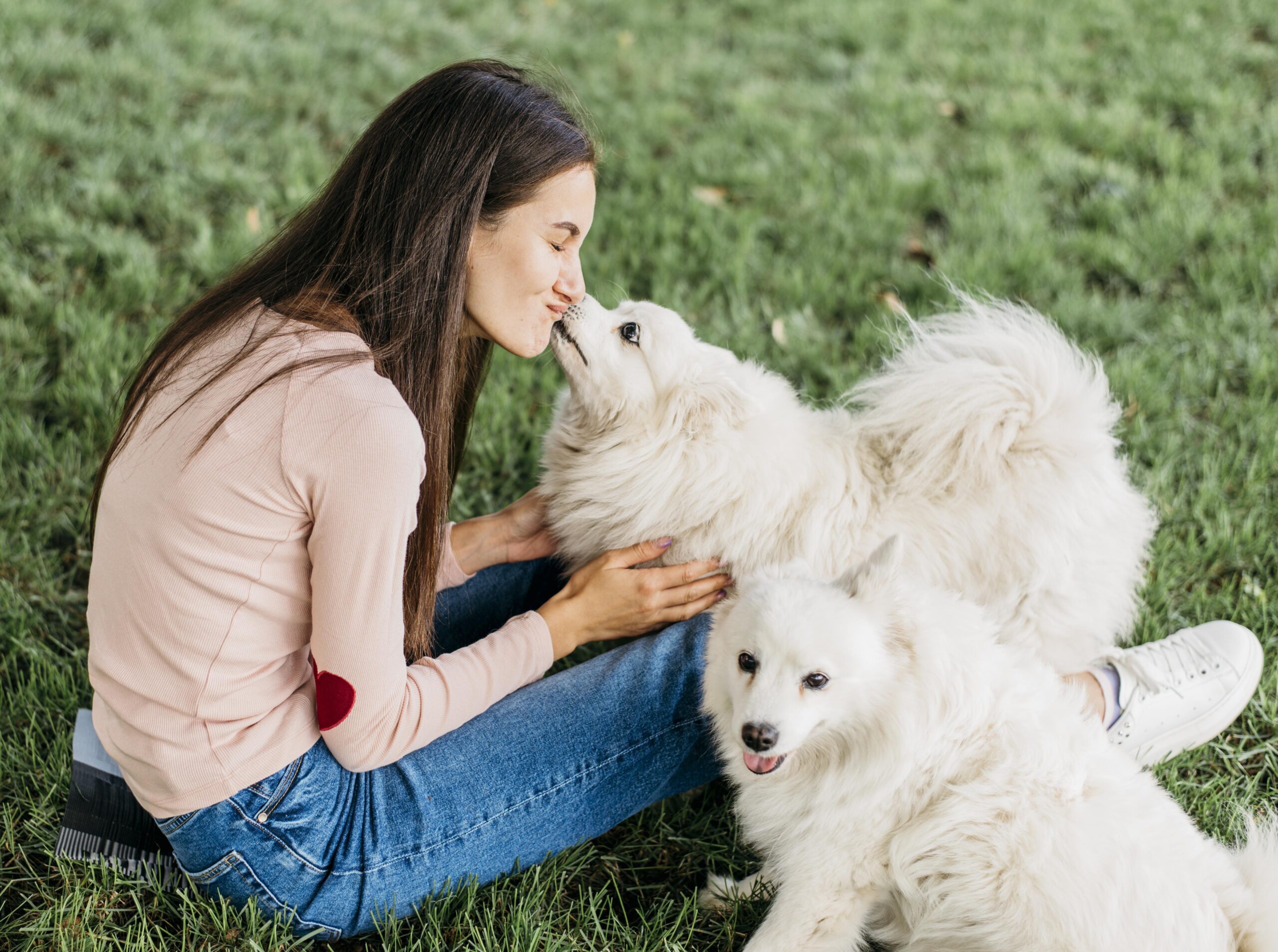
Bringing a new puppy home is exciting, but one of the first questions almost every new owner asks is when can puppies start walking outside. The answer depends largely on your puppy’s vaccination schedule, since young puppies are highly vulnerable to serious diseases until their immune system is fully protected. Understanding the right timeline helps you keep your puppy safe while still giving them the socialization and exercise they need to grow into a confident, well adjusted dog.
This guide breaks down exactly when it is safe to start outdoor walks, how vaccinations play a role, and how to introduce your puppy to the outside world without putting their health at risk.
Why Timing Matters for Puppy Walks
Puppies are born with some immunity passed down from their mother, but this protection fades within the first several weeks of life. Until a puppy completes their full vaccination series, they remain susceptible to serious and sometimes fatal illnesses such as parvovirus and distemper. These diseases spread through contact with infected animals, contaminated soil, or even shared surfaces like sidewalks and parks.
At the same time, the early weeks of a puppy’s life are a critical window for socialization. Puppies that are not exposed to new sights, sounds, and experiences during this period can develop fear or anxiety later in life. This creates a balancing act for new owners, protecting physical health while still supporting healthy behavioral development.
Understanding the Puppy Vaccination Schedule
Most veterinarians follow a similar core vaccination timeline, though exact schedules can vary slightly depending on your puppy’s breed, health, and location.
Typical Vaccination Timeline
At 6 to 8 weeks, puppies receive their first round of core vaccines, including distemper and parvovirus. At 10 to 12 weeks, they receive the second round of core vaccines. At 14 to 16 weeks, they receive the third round of core vaccines, often combined with a rabies vaccine depending on local regulations. At 12 months, booster shots are given to maintain immunity.
A puppy is generally not considered fully protected until about one to two weeks after the final vaccine in this series, which usually falls around 16 to 18 weeks of age.
Why the Full Series Matters
Each vaccine dose builds on the last one to strengthen immunity. Skipping doses or walking your puppy in high risk areas before the series is complete can leave gaps in protection, increasing the chance of exposure to preventable diseases.
When Can Puppies Start Walking Outside?
The short answer is that puppies can begin cautious, limited outdoor exposure a few days after their second vaccination, typically around 10 to 12 weeks of age, as long as your veterinarian confirms it is safe. Full, unrestricted walks in public spaces such as parks or trails should generally wait until one to two weeks after the final vaccination, usually around 16 to 18 weeks.
However, this does not mean your puppy needs to stay indoors until then. There are safe ways to introduce the outside world well before the vaccination series is complete.
Safe Outdoor Exposure Before Full Vaccination
Carry your puppy in your arms or a sling during short outings so their paws do not touch potentially contaminated ground. Visit low-traffic areas like your own backyard or a friend’s private, secure yard where unvaccinated animals have not been present. Avoid dog parks, pet stores, and areas with heavy foot traffic from unknown animals. Allow your puppy to observe new sounds, people, and environments from a safe distance or from inside a carrier.
These early experiences still count toward socialization, even if your puppy is not yet walking on the ground in public spaces.
How to Introduce Your Puppy to Outdoor Walks Safely
Once your veterinarian gives the go ahead, it is important to ease your puppy into outdoor walking gradually.
Start with Short, Low Stress Walks
Begin with five to ten minute walks in a quiet area near your home. Puppies have limited stamina, and short sessions prevent overexertion while building positive associations with walking.
Choose Familiar, Low Traffic Routes
Stick to quiet streets or paths away from busy roads and large groups of unfamiliar dogs during the first few weeks. This reduces stress and lowers the risk of exposure to illness or overwhelming situations.
Use Proper Equipment
A well fitted harness is often gentler on a puppy’s developing neck and spine compared to a collar alone. Make sure the leash length allows for control without restricting natural movement.
Watch for Signs of Fatigue or Stress
Puppies may not always know their own limits. Watch for signs like lagging behind, sitting down mid walk, or excessive panting, and end the walk if your puppy seems tired or overwhelmed.
Reward Positive Behavior
Bring small treats and offer praise when your puppy walks calmly, greets new people politely, or handles new sounds well. Positive reinforcement builds confidence and makes future walks easier.
Balancing Socialization With Safety
Socialization during the first few months of life plays a major role in shaping a puppy’s temperament. The goal is to expose your puppy to as many new experiences as safely possible without waiting until vaccinations are fully complete.
Safe Socialization Ideas Before Full Vaccination
Invite fully vaccinated, friendly adult dogs from family or friends into your home. Enroll your puppy in a socialization class that requires proof of at least the first round of vaccines and takes place in a controlled, sanitized environment. At home, expose your puppy to different surfaces, household sounds, and gentle handling. You can also take short car rides to help your puppy become comfortable with new environments while staying safely inside their carrier.
Socialization Ideas Once Fully Vaccinated
Once your puppy is adequately vaccinated, visit dog-friendly parks and trails and allow supervised interaction with unfamiliar, vaccinated dogs. Explore busier streets, outdoor cafés, and pet-friendly stores to help your puppy become comfortable in different environments. Introduce your puppy to a wider variety of people, including children and strangers wearing hats or carrying umbrellas, so they can gradually become confident around different sights, sounds, and experiences.
Common Mistakes to Avoid
Puppy owners often make mistakes by introducing outdoor activities too early, overexercising, or delaying socialization for too long. Understanding these common errors helps protect a puppy’s health while supporting safe development and confidence.
Walking Too Soon in High Risk Areas
Taking a puppy to a dog park or heavily trafficked trail before their vaccination series is complete significantly increases the risk of exposure to parvovirus and other illnesses.
Overexerting a Young Puppy
Long walks or hikes are not appropriate for puppies under six months old. Their joints and bones are still developing, and overexertion can lead to long term issues.
Skipping Socialization Entirely Out of Caution
While safety is important, avoiding all outside exposure until 18 weeks can lead to missed opportunities during the critical socialization window. Controlled, low risk exposure early on is just as important as physical safety.
Ignoring Your Veterinarian’s Guidance
Every puppy is different, and some may need a modified vaccination schedule based on health history or local disease risk. Always follow your veterinarian’s specific recommendations rather than a generic timeline found online.
Building a Long Term Walking Routine
Once your puppy is fully vaccinated and cleared for regular outdoor activity, gradually increase the length and variety of walks. A general rule of thumb is about five minutes of walking per month of age, twice a day, until your puppy reaches adulthood. This helps prevent joint strain while still providing enough exercise and mental stimulation.
As your puppy grows more confident, introduce new environments, different walking surfaces, and opportunities to meet other vaccinated dogs. This ongoing exposure helps reinforce good behavior and keeps your puppy well adjusted as they mature.
Conclusion
Knowing when can puppies start walking outside comes down to following a safe vaccination timeline while still prioritizing early socialization in controlled, low risk ways. Cautious outdoor exposure can begin around 10 to 12 weeks with your veterinarian’s approval, while full outdoor walks in public spaces should typically wait until one to two weeks after the final vaccination, around 16 to 18 weeks of age. By balancing safety with early socialization, you set your puppy up for a healthy, confident start to life.
If you are unsure about your puppy’s specific vaccination schedule or readiness for outdoor walks, reach out to your veterinarian today to create a safe, personalized plan for your new companion.
Frequently Asked Questions
How long after the last vaccination can puppies go outside?
Most veterinarians recommend waiting one to two weeks after the final vaccination in the core series before allowing full, unrestricted outdoor walks in public spaces.
Is it safe to socialize my puppy before vaccinations are complete?
Yes, as long as you choose controlled environments such as your own home, a friend's secure yard, or a puppy class that requires proof of initial vaccinations and follows strict sanitation practices.
What are the signs my puppy is not ready for a long walk?
Watch for lagging behind, sitting down frequently, excessive panting, or reluctance to continue moving. These signs indicate your puppy needs rest rather than continued exercise.
Do all puppies follow the same vaccination timeline?
Not necessarily. While most puppies follow a similar core schedule, factors like breed, health status, and local disease risk can lead your veterinarian to recommend adjustments to the standard timeline.
How long after the last vaccination can puppies go outside?
Most veterinarians recommend waiting one to two weeks after the final vaccination in the core series before allowing full, unrestricted outdoor walks in public spaces.
Is it safe to socialize my puppy before vaccinations are complete?
Yes, as long as you choose controlled environments such as your own home, a friend's secure yard, or a puppy class that requires proof of initial vaccinations and follows strict sanitation practices.
What are the signs my puppy is not ready for a long walk?
Watch for lagging behind, sitting down frequently, excessive panting, or reluctance to continue moving. These signs indicate your puppy needs rest rather than continued exercise.
Do all puppies follow the same vaccination timeline?
Not necessarily. While most puppies follow a similar core schedule, factors like breed, health status, and local disease risk can lead your veterinarian to recommend adjustments to the standard timeline.