
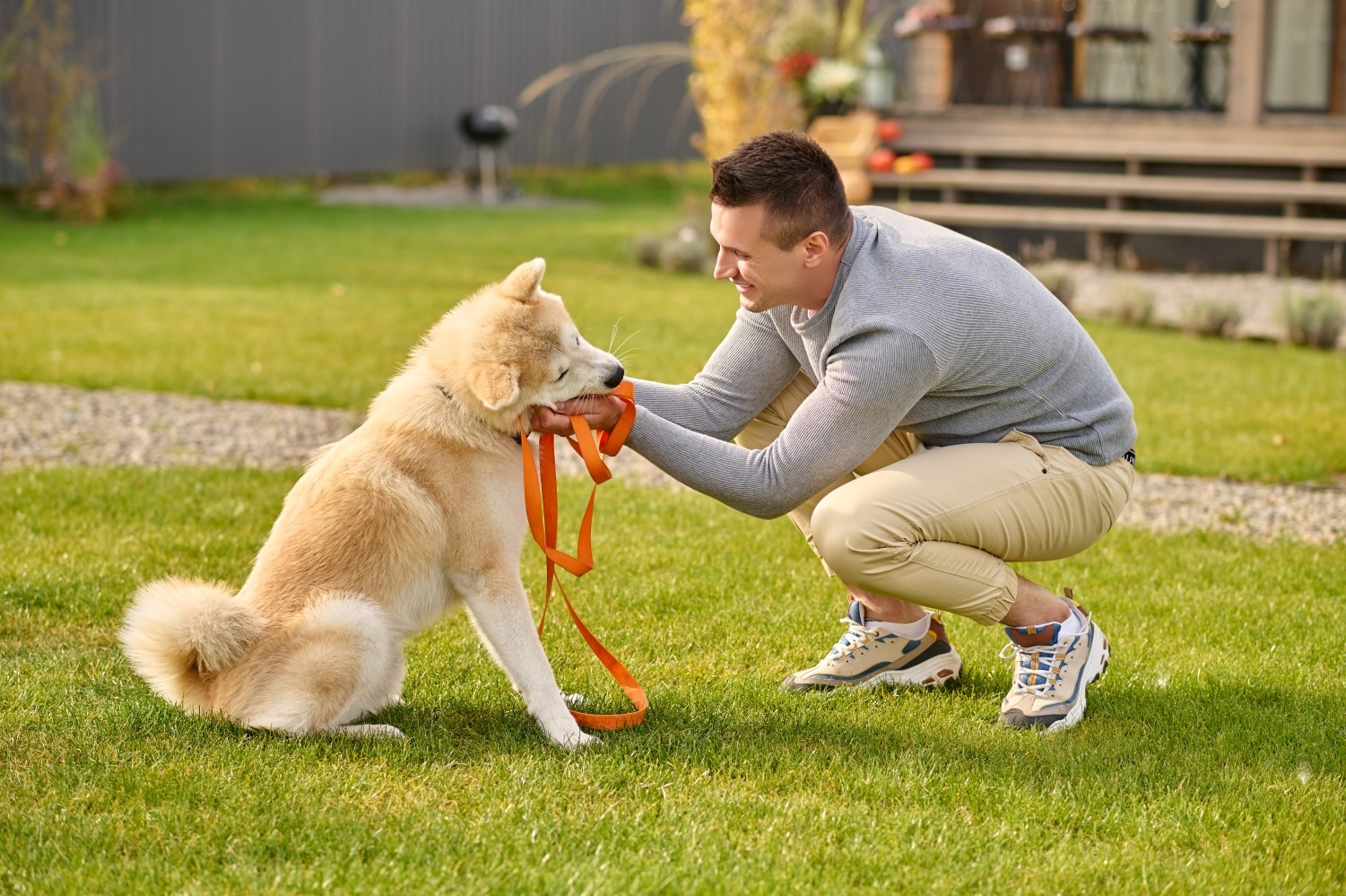
Dogs need consistent physical activity to support physical health, mental stimulation, and good behaviour. Exercise needs vary by age, breed, size, health, and personality. For young dogs, puppy daycare can also provide opportunities for supervised play, socialisation, and age-appropriate activity.
Recognising the signs your dog needs more exercise can help you adjust their routine before boredom, excess weight, or unwanted habits become ongoing concerns. In New York City, daily walks and active play can contribute to a balanced routine.
1. Your Dog Seems Restless at Home
A dog that struggles to settle may not be getting enough stimulation. Restlessness can appear as pacing, repeatedly bringing toys to you, moving between rooms, or constantly looking for something to do.
Possible signs include:
- Pacing around the home
- Frequently bringing toys to you
- Moving between rooms without settling
- Repeatedly looking for activities
- Becoming restless during normally quiet periods
- Consider the overall routine, including walks, play, sniffing, training, and rest.
2. Destructive Behaviour Is Becoming More Frequent
Chewing furniture, digging at bedding, shredding paper, or grabbing household objects can sometimes indicate boredom and unused energy. Puppies naturally explore with their mouths, so destructive behaviour is not always caused by insufficient exercise.
You may notice:
- Chewing furniture or household items
- Shredding paper, bedding, or toys
- Digging at carpets or beds
- Taking objects that are normally off limits
Short walks, supervised play, training games, and age-appropriate activities can give your dog productive ways to use energy.
3. Your Dog Constantly Seeks Attention
A dog that repeatedly nudges, paws, barks, or brings toys to you may want more interaction. A sudden increase in attention-seeking can indicate that their routine is not sufficiently engaging.
Try adding structured activity rather than responding to every request with attention. A purposeful walk, a few minutes of training, or interactive play can provide movement and mental engagement.
4. Excess Weight Is Appearing
Weight gain can be another sign that your dog’s activity may need attention. Calories, food portions, age, metabolism, breed, and medical conditions all affect body weight, so exercise is only one part of the picture.
If you notice gradual weight gain, speak with your veterinarian before making major changes. Your veterinarian can help set an appropriate activity level and check for possible health issues.
5. Your Dog Has Trouble Settling at Night
Some dogs remain energetic at night. If your dog frequently wanders, asks to play, or struggles to relax in the evening, their daytime routine may not provide enough suitable activity.
A consistent schedule can help. Consider including:
- A daily walk
- Safe sniffing opportunities
- Interactive play
- Short training sessions
- Appropriate social interaction
These activities can help provide a more balanced day without relying on one long exercise session.
6. Walks Feel Like a Burst of Unused Energy
If your dog starts a walk extremely excited, pulls persistently, jumps, or struggles to focus, insufficient activity may be one factor. It can also reflect leash skills, distractions, anxiety, or excitement.
Rather than simply increasing distance, focus on quality. Safe sniffing, calm walking, and brief training can make an outing more enriching.
A useful walk can include:
- Time to sniff and explore
- Calm walking practice
- Short obedience exercises
- Safe interaction with the environment
- Regular opportunities to pause and settle
7. Your Dog Loses Interest in Normal Activities
A lack of exercise does not always look energetic. Some dogs become bored and disengaged when their routine lacks variety. If your dog suddenly seems uninterested in play, walks, food, or interaction, do not assume exercise is the cause.
A sudden or persistent change can signal pain, illness, stress, or another problem, so consult your veterinarian when appropriate.
How Much Exercise Does a Dog Need?
There is no single schedule that suits every dog. Puppies, adult dogs, senior dogs, high-energy breeds, and dogs with health limitations can have very different needs.
Age matters, too. Puppies need appropriate activity with plenty of rest, while senior dogs may benefit from gentle, regular movement. Your veterinarian can help establish suitable activity based on your dog’s individual needs.
Daily enrichment can include:
- Walking
- Sniffing and exploring
- Playing with appropriate toys
- Practising basic commands
- Exploring safe environments
- Appropriate interaction with other dogs
The goal is to create a routine that provides suitable physical and mental activity without causing exhaustion.
Ways to Add More Activity to Your Dog’s Routine
Start with manageable changes rather than suddenly doubling exercise. Add a short walk, gradually extend an existing outing, or include brief play sessions during the day.
For busy New York City households, professional care can help maintain a consistent routine when work or other commitments make daytime activity difficult. If you are considering “dog walkers near me”, look for a service that accommodates your dog’s age, temperament, walking ability, and established routine.
Puppies often need supervision, frequent breaks, and age-appropriate socialisation rather than simply more physical exercise. Doggy daycare for puppies may provide structured interaction and activity when the setting, group, supervision, and individual schedule are appropriate.
At home, consider adding:
- Puzzle toys
- Scent-based games
- Short training sessions
- Supervised play
- Indoor enrichment activities
- Safe opportunities to explore
Rotate activities to maintain interest without overwhelming your dog.
When More Exercise Is Not the Answer
More activity is not automatically better. A dog can become overtired, overstimulated, or physically strained when exercise increases too quickly. Puppies, older dogs, and dogs recovering from illness or injury require particular care.
Watch for:
- Excessive or prolonged panting
- Limping or stiffness
- Reluctance to continue
- Unusual fatigue
- Changes in appetite or behaviour
- Difficulty recovering after activity
Stop the activity and seek veterinary guidance when appropriate.
Anxiety, fear, pain, or inadequate training can resemble boredom or excess energy. Identifying the cause leads to a better solution.
Building a Balanced Exercise Routine
A routine should fit your dog’s needs and household schedule. Aim for consistency rather than occasional bursts of intense activity.
A balanced routine may include:
- Regular walks
- Age-appropriate play
- Mental enrichment
- Training opportunities
- Rest periods
- Social interaction when suitable
If your dog settles more easily, maintains a healthy body condition, and engages positively with daily activities, the routine may be meeting their needs.
For New York City dog owners, structured walks, supervised play, and dependable daytime care can make regular exercise easier to maintain. A thoughtful routine gives dogs opportunities to explore, move, learn, and interact.
Conclusion
Recognising the signs your dog isn’t getting enough exercise can help you create a healthier and more balanced daily routine. Restlessness, destructive behaviour, excessive attention-seeking, weight gain, and difficulty settling may indicate that your dog needs more physical or mental stimulation. However, sudden changes can also point to health or behavioural concerns, so veterinary guidance is important when needed.
Focus on consistent, age-appropriate walks, play, training, sniffing, enrichment, and plenty of rest. For busy New York City pet owners, professional dog care can also help maintain regular activity and companionship. With the right routine, your dog can stay active, engaged, and comfortable while enjoying a happier everyday life.
If you need help maintaining your dog’s activity while managing a busy schedule, Happy Pants offers dog care services that can support a consistent routine tailored to your dog’s needs.
Frequently Asked Questions
2. Can a puppy get too much exercise?
Yes. Puppies need age-appropriate activity and plenty of rest. Excessive or high-impact exercise can place unnecessary strain on developing bodies. Ask your veterinarian about suitable activity for your puppy.
3. Is mental stimulation as important as physical exercise?
Mental stimulation is an important part of a balanced routine. Sniffing, training, puzzle toys, and appropriate social interaction can challenge your dog's mind while complementing physical activity.
4. Should I exercise my dog more if they are gaining weight?
Possibly, but weight gain has several potential causes. Review food portions and activity with your veterinarian, particularly if weight changes are sudden or your dog has other symptoms.
5. When should I speak with a veterinarian?
Contact your veterinarian when a change in energy or behaviour is sudden, persistent, or accompanied by pain, limping, appetite changes, unusual fatigue, breathing difficulty, or other concerning symptoms.