
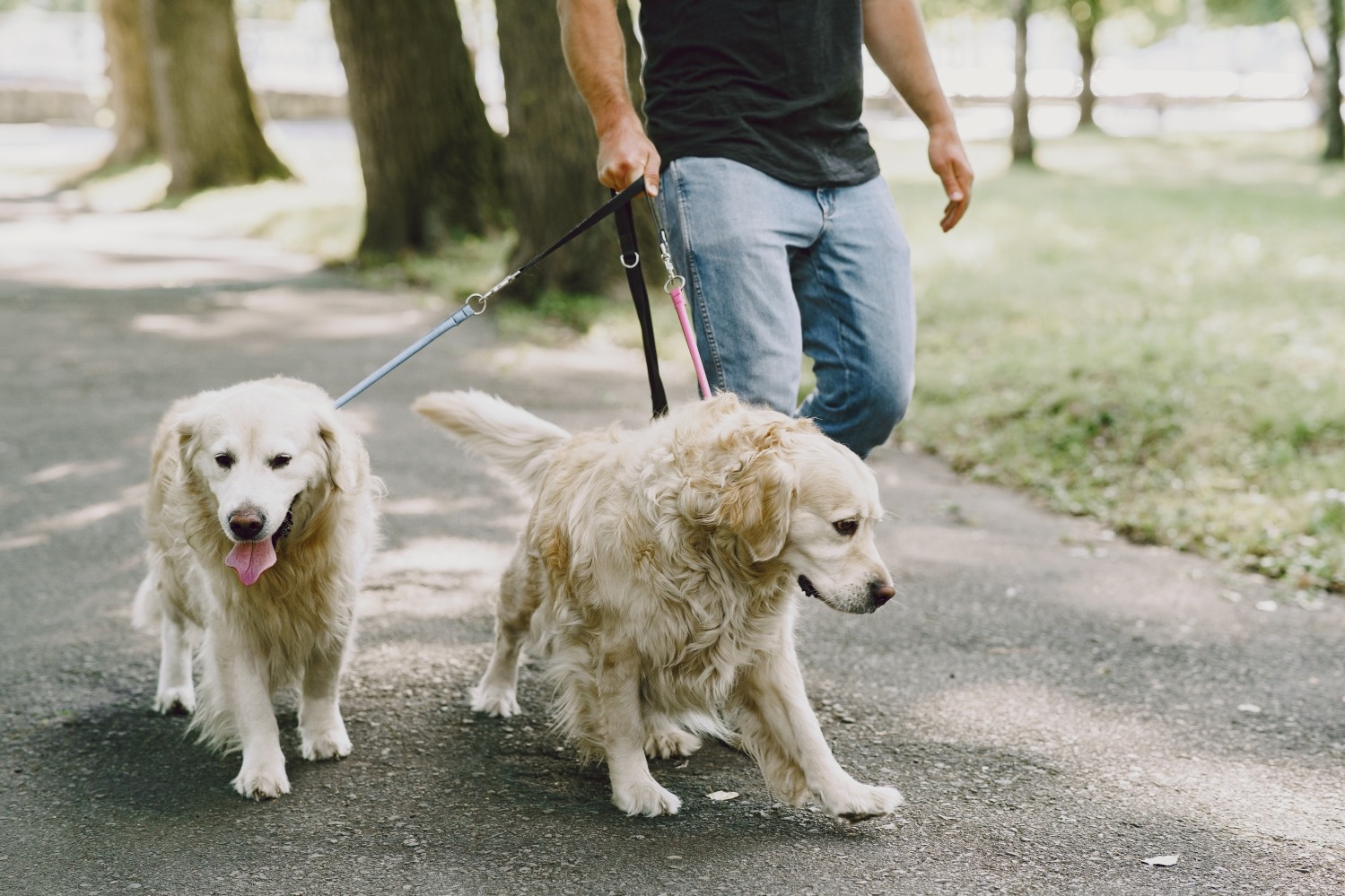
Getting older does not mean a dog has to stop enjoying daily walks. In fact, regular, appropriate movement can remain an important part of a senior dog’s routine. The difference is that older pets may need more consideration around pace, distance, terrain, weather, and recovery.
A walk that was easy for your dog several years ago may now leave them tired or uncomfortable. Senior dogs can experience changes in muscle strength, joint mobility, balance, vision, hearing, and stamina. Adjusting their routine can help them stay active without placing unnecessary strain on their bodies.
For dogs living in New York City, where sidewalks, parks, stairs, traffic, and busy streets are part of everyday life, thoughtful planning can make outdoor time more comfortable. When owners need support maintaining a consistent routine, experienced dog walkers in New York City can help provide regular outings suited to an older dog’s pace and needs.
Why Walking Still Matters for Senior Dogs
Walking provides more than physical exercise. It gives dogs an opportunity to investigate scents, experience different surroundings, maintain a routine, and spend time with their owners.
Regular gentle movement can help support muscle use and healthy weight management. It may also provide mental stimulation, particularly when dogs are allowed to sniff and explore at their own pace.
However, the goal should not be to make an older dog walk as far as possible. A useful senior-dog routine focuses on suitable activity and recovery rather than distance alone.
Let Your Dog Set the Pace
One of the simplest ways to adapt to walking is to slow down. Senior dogs may take longer to get moving after resting or need additional breaks along the route. Give them time to warm up rather than immediately expecting a brisk pace.
Pay attention to changes in your dog’s behaviour. If they repeatedly stop, lag behind, sit down, or seem reluctant to continue, consider whether the walk is too long or physically demanding.
Some dogs may be comfortable walking for thirty minutes, while others may benefit from several shorter outings. There is no single schedule that works for every senior pet.
Choose Routes With Care
The route itself can affect how comfortable a senior dog feels. Smooth, familiar surfaces may be easier for dogs with stiff joints or reduced balance. Steep stairs, uneven pavement, slippery surfaces, and crowded areas can create additional challenges.
New York City walks can also involve traffic, cyclists, construction, other dogs, and large groups of pedestrians. Choose routes where your dog can move safely without being rushed.
If your dog struggles with stairs or curbs, consider routes with fewer changes in elevation. Small adjustments can make a meaningful difference to an older pet.
Make Sniffing Part of the Walk
A senior dog does not need to walk quickly to have an enriching outing. Sniffing allows dogs to gather information about their environment and can provide mental stimulation. Instead of measuring the success of a walk only by distance, allow appropriate pauses for investigation.
A slower walk with several sniffing opportunities may be more enjoyable than a longer walk where your dog is constantly encouraged to keep moving.
You can also introduce simple training during an outing. Practising a calm stop, checking in with you, or following a familiar cue can provide mental engagement without requiring strenuous physical activity.
Pay Attention to Weather
Temperature and weather conditions deserve extra attention when walking older dogs. Senior pets may be less tolerant of heat or cold, particularly if they have underlying health conditions. During warmer weather, consider walking during cooler parts of the day and avoid hot pavement.
Cold or wet conditions can also be uncomfortable for dogs with stiffness or mobility issues. Slippery surfaces can increase the risk of losing balance.
Always consider your individual dog’s condition rather than relying on a fixed seasonal routine. If your dog appears uncomfortable, shorten the outing and provide a suitable alternative activity indoors.
Recognise Signs That a Walk Is Too Much
More exercise is not always better. An older dog can become overtired even when they initially seem eager to continue.
Watch for signs such as excessive panting, slowing down considerably, limping, stiffness, reluctance to move, or difficulty settling after returning home.
Pay attention to how your dog behaves later in the day and the following morning. If they appear significantly more tired or stiff after a particular walk, the activity may need to be reduced.
Sudden changes should not automatically be blamed on ageing. Pain, illness, injury, and other health conditions can affect walking ability. Speak with your veterinarian if you notice persistent or unusual changes.
Support Mobility Between Walks
Walking is only one part of keeping a senior dog active.
Gentle indoor activities can provide useful stimulation on days when outdoor exercise is limited. Scent games, food puzzles, basic training, supervised play, and interactive toys can keep your dog engaged.
Rest is equally important. Older dogs often need more recovery time than younger pets. Avoid filling every part of the day with activity.
A balanced routine gives your dog opportunities to move, explore, interact, and sleep comfortably.
Consider Your Dog’s Individual Health
A healthy senior dog and an older dog with arthritis or another medical condition may have very different exercise requirements.
Your veterinarian can help determine what level of activity is appropriate. They may recommend changes to walking duration, frequency, terrain, or other forms of exercise based on your dog’s condition.
Weight is another consideration. Carrying excess weight can place additional stress on joints, but increasing exercise suddenly is not an appropriate solution for every dog.
Food intake, body condition, mobility, age, and health should all be considered together.
Finding the Right Walking Support
Owners with demanding schedules may sometimes need help maintaining their dog’s regular routine. When professional care is necessary, the priority should be finding someone who understands that senior dogs often require patience and flexibility.
If you are searching for the best dog walking service, look beyond the length of the walk. Ask how the provider handles rest breaks, slower dogs, weather changes, medication instructions, and unexpected behaviour.
A senior dog may not need the fastest walker or the longest outing. They need someone who pays attention to their individual signals.
Questions to Ask a Professional Walker
Before arranging regular walks, discuss your dog’s normal routine and limitations.
Useful questions include whether the walker is comfortable caring for older dogs, how they handle dogs that tire easily, and what happens if a dog becomes uncomfortable during a walk.
It is also helpful to explain your dog’s preferred pace, bathroom habits, triggers, routes, and any veterinary recommendations.
For owners researching the best dog walkers in NYC, these practical details can help determine whether a service is suitable for an older pet.
Clear communication is particularly important when a dog has changing mobility or health needs.
Creating a Sustainable Routine
The most effective routine is one that your dog can comfortably maintain.
Rather than making large changes, introduce adjustments gradually. You might shorten an existing walk, add another brief outing, or replace strenuous activity with gentle enrichment.
Keep track of how your dog responds. If they remain comfortable during the walk and recover normally afterward, the routine may be appropriate.
When schedules become difficult, dependable dog walkers in New York City can help maintain regular outings while owners are at work or managing other responsibilities. The dog’s established routine and individual needs should remain the priority.
Conclusion
Senior dogs can continue to enjoy walking when their routines are adapted to their changing needs. Comfortable pacing, suitable routes, regular breaks, weather awareness, and adequate recovery can make daily outings safer and more enjoyable.
The best approach is to observe your dog rather than follow a rigid exercise target. With appropriate activity, mental enrichment, and professional guidance when necessary, older dogs can continue experiencing the sights, sounds, and smells that make walks such a valuable part of everyday life.
For families that need help maintaining a senior dog’s walking routine, Happy Pants can provide dependable dog care support while keeping the individual needs of each pet in mind.
Frequently Asked Questions
2. Should senior dogs walk slowly?
A slower pace is often appropriate because older dogs may have reduced stamina or mobility. Let your dog establish a comfortable pace rather than expecting them to walk at the speed they did when younger.
3. What if my senior dog becomes tired during a walk?
Stop and allow your dog to rest. If they recover quickly and this is unusual, monitor them closely. Repeated fatigue, weakness, limping, or reluctance to continue should be discussed with a veterinarian.
4. Are walks enough exercise for an older dog?
Walking can be an important part of a senior dog's routine, but mental enrichment also matters. Sniffing, gentle play, scent activities, and simple training can complement physical activity.
5. When should I stop walking my senior dog?
Age alone does not determine whether a dog should stop walking. However, pain, significant mobility problems, breathing difficulties, weakness, or other concerning symptoms require veterinary advice before continuing or changing exercise.