
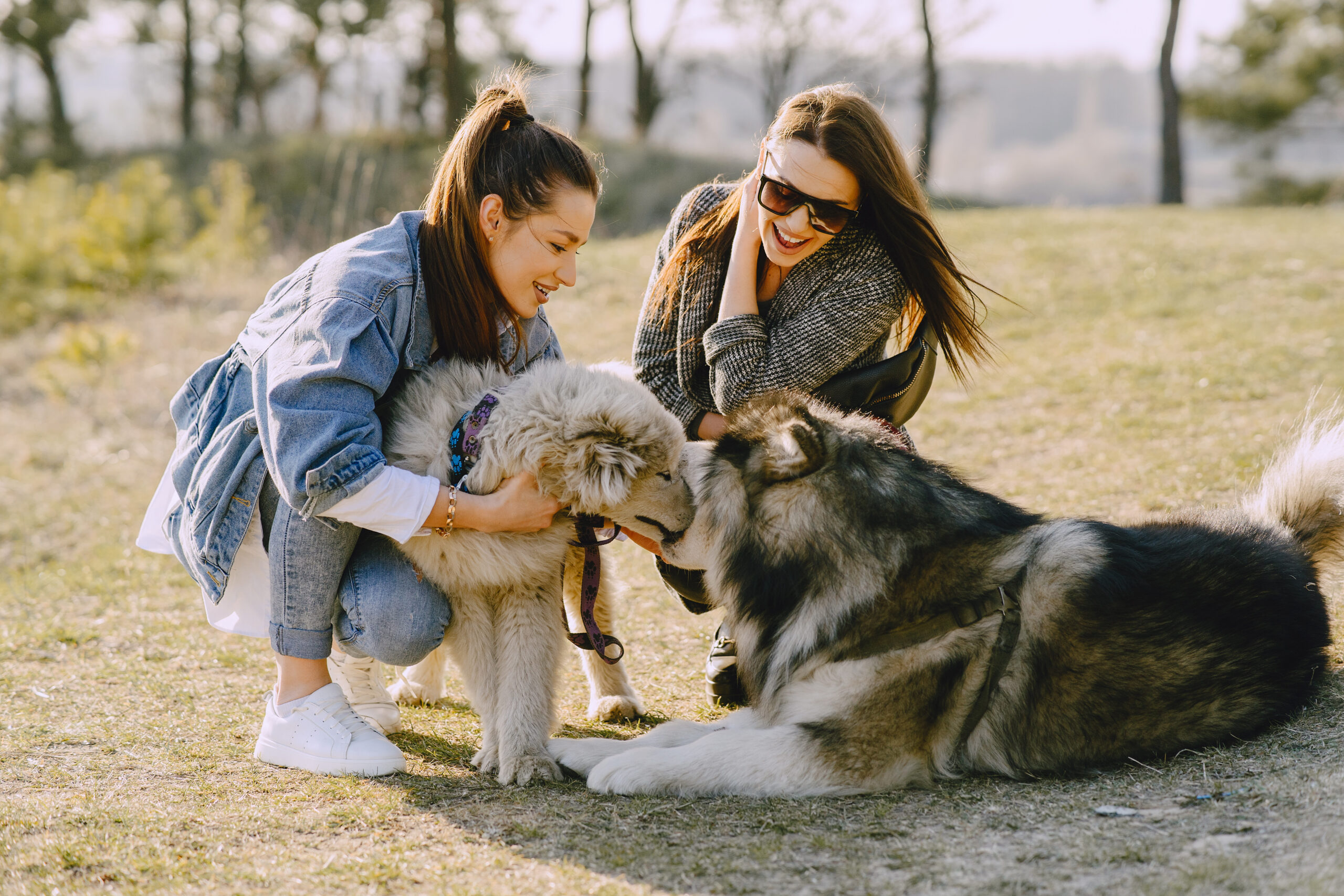
Dog playgroups have become a popular option for pet owners looking to improve their dog’s social skills, especially in busy urban environments like New York City. With limited space and fewer opportunities for off-leash interaction, structured group settings can offer a controlled way for dogs to engage with others. However, not all playgroups are equally beneficial. Understanding how they work, their advantages, and potential risks can help dog owners make informed decisions about their pet’s social development.
Understanding Dog Socialization
Socialization is the process through which dogs learn to interact appropriately with other animals, people, and environments. It plays a critical role in shaping behavior, confidence, and emotional stability.
Why Socialization Matters for Urban Dogs
In a fast-paced city environment, dogs are exposed to constant stimuli such as traffic, crowds, and unfamiliar noises. Without proper socialization, these experiences can lead to anxiety, fear-based reactions, or aggression. Structured social opportunities like playgroups can help dogs adapt to these conditions by building confidence and teaching appropriate responses.
What Are Dog Playgroups
Dog playgroups are supervised sessions where multiple dogs interact in a controlled environment. These groups are typically organized by daycare centers, trainers, or pet care facilities.
How Playgroups Are Structured
Most playgroups divide dogs based on size, temperament, and energy level to ensure compatibility. Professional supervision helps monitor interactions and prevent conflicts. Activities may include free play, guided interaction, and rest periods to avoid overstimulation.
Benefits of Dog Playgroups for Socialization
When managed properly, dog playgroups can offer significant advantages for social development and overall wellbeing.
Building Positive Social Skills
Playgroups provide dogs with opportunities to practice communication through body language, vocalization, and play behavior. Regular interaction helps dogs learn boundaries, such as when to initiate play and when to disengage. Over time, this improves their ability to interact calmly and confidently with other dogs.
Reducing Behavioral Issues
Dogs that lack social exposure may develop unwanted behaviors such as excessive barking, fearfulness, or aggression. Controlled group settings allow dogs to gradually become comfortable around others, reducing anxiety and promoting balanced behavior.
Providing Physical and Mental Stimulation
Playgroups offer both physical exercise and mental engagement. Active play helps burn excess energy, while social interaction keeps dogs mentally stimulated. This combination can lead to improved mood and reduced destructive behavior at home.
Potential Risks of Dog Playgroups
While playgroups can be beneficial, they are not suitable for every dog. Understanding the risks helps owners make safer choices.
Overstimulation and Stress
Some dogs may become overwhelmed in group settings, especially if they are not used to social interaction. Signs of stress can include excessive panting, withdrawal, or reactive behavior. Without proper supervision, overstimulation can lead to negative experiences.
Risk of Negative Interactions
Not all dogs have compatible temperaments. If groups are not carefully managed, conflicts can occur. Poorly supervised play can reinforce bad habits or create fear-based responses.
How to Choose a Safe Dog Playgroup
Selecting the right playgroup is essential for ensuring a positive experience.
Look for Professional Supervision
Qualified staff should understand dog behavior and be able to intervene when necessary. Supervision ensures that interactions remain safe and balanced.
Evaluate Group Size and Structure
Smaller groups with controlled introductions are generally safer. Dogs should be grouped based on compatibility to reduce the risk of conflict.
Check Health and Safety Standards
Facilities should require vaccinations and maintain clean environments. This reduces the risk of illness and ensures a safe space for all dogs.
Introducing Your Dog to Playgroups
A gradual introduction helps dogs adjust to the new environment and reduces anxiety.
Start with Controlled Interactions
Before joining a full playgroup, dogs can benefit from one-on-one introductions or smaller groups. This allows them to build confidence at their own pace.
Observe Your Dog’s Behavior
Owners should pay attention to how their dog responds during and after play sessions. Positive signs include relaxed body language and willingness to engage, while signs of stress may indicate the need for a different approach.
Alternatives to Dog Playgroups
Playgroups are not the only way to support socialization. Some dogs may benefit from alternative methods.
One-on-One Playdates
Smaller, controlled interactions with familiar dogs can be less overwhelming and more effective for shy or reactive dogs.
Training Classes
Structured training sessions provide social exposure while reinforcing obedience and communication skills. This can be particularly helpful for dogs with behavioral challenges.
Role of Professional Training in Socialization
Professional trainers can guide owners in developing safe and effective socialization strategies.
Behavior Assessment and Guidance
Trainers can evaluate a dog’s temperament and recommend appropriate socialization methods. This ensures that the approach matches the dog’s individual needs.
Building Long-Term Confidence
With consistent guidance, dogs can develop the skills needed to navigate social situations confidently. This leads to improved behavior in both group and everyday environments.
Are Dog Playgroups Right for Every Dog
Not all dogs will thrive in a playgroup setting. Factors such as age, temperament, and past experiences influence suitability.
Identifying the Right Fit
Dogs that are friendly, curious, and comfortable around others are more likely to benefit from playgroups. Dogs with fear or aggression issues may require additional training before joining group sessions.
Conclusion
Dog playgroups can be a valuable tool for socialization, particularly in urban environments where opportunities for interaction are limited. When properly structured and supervised, they help dogs build social skills, reduce behavioral issues, and stay physically active. However, they are not a one-size-fits-all solution. Careful evaluation, gradual introduction, and ongoing observation are essential to ensure a positive experience. By choosing the right environment and approach, dog owners can support their pet’s social development and overall wellbeing. Contact us today to find safe and structured dog playgroup options for your pet.
Frequently Asked Questions
How do I know if my dog enjoys playgroups?
Signs include relaxed behavior, willingness to engage, and positive interactions with other dogs.
Can puppies join dog playgroups?
Yes, puppies can benefit from early socialization in controlled and supervised environments.
What should I look for in a dog playgroup?
Look for professional supervision, proper grouping, and strong health and safety standards.
Are there risks in dog playgroups?
Yes, risks include overstimulation and conflicts, which can be minimized with proper management.
How do I know if my dog enjoys playgroups?
Signs include relaxed behavior, willingness to engage, and positive interactions with other dogs.
Can puppies join dog playgroups?
Yes, puppies can benefit from early socialization in controlled and supervised environments.
What should I look for in a dog playgroup?
Look for professional supervision, proper grouping, and strong health and safety standards.
Are there risks in dog playgroups?
Yes, risks include overstimulation and conflicts, which can be minimized with proper management.