
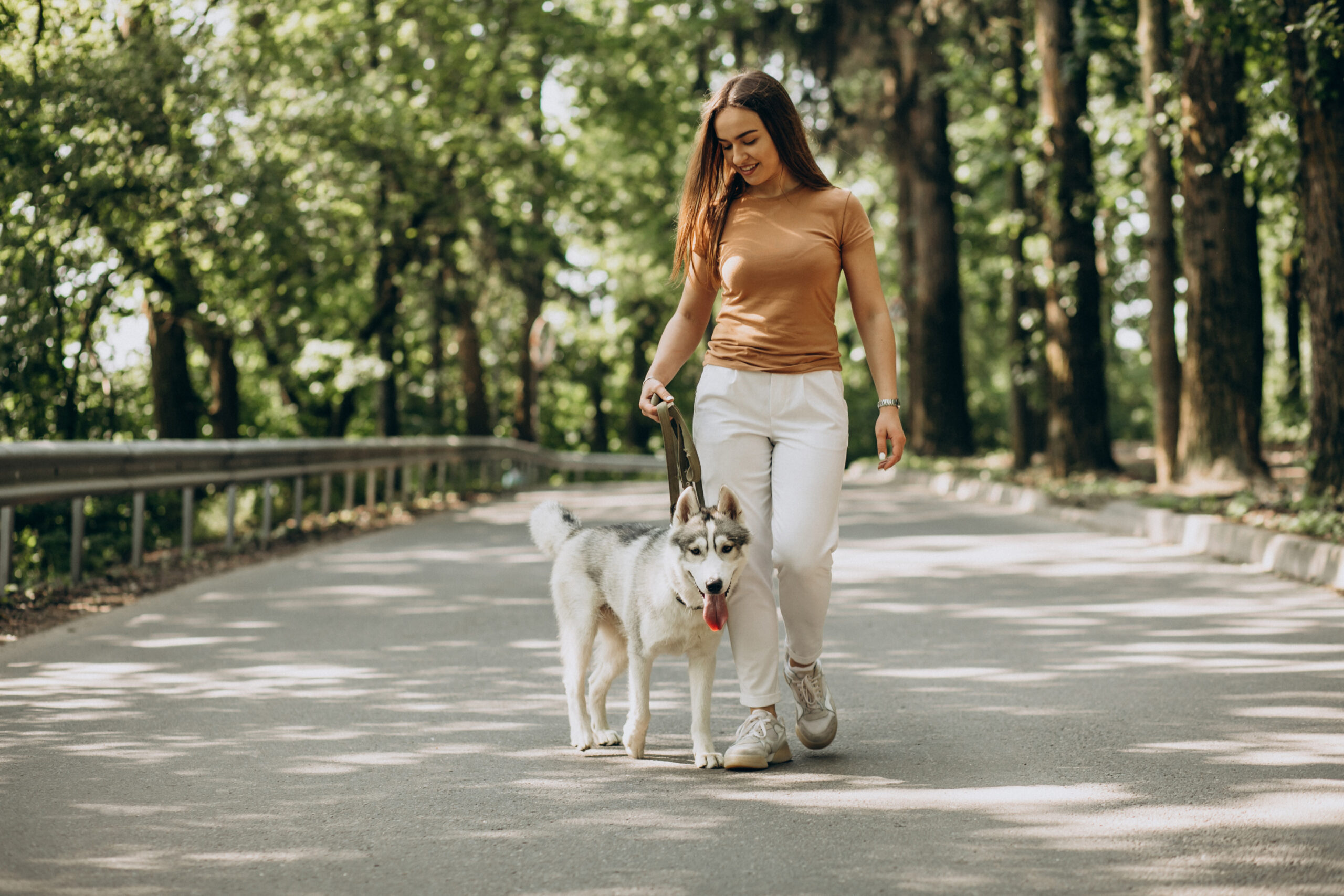
Walking your dog in a city like New York is not just a routine task—it is a critical part of your dog’s physical health, mental wellbeing, and behavioral balance. With limited open spaces, busy streets, and constant stimulation, dogs in urban environments rely heavily on structured walks to stay healthy and calm. Understanding how often you should walk your dog in NYC depends on factors such as age, breed, energy level, and lifestyle. A well-planned walking routine can prevent behavioral issues, improve fitness, and create a more balanced daily life for your dog.
Why Daily Walks Are Essential for Dogs
Walking is one of the most important activities for dogs because it supports both physical and mental health. It provides exercise, reduces stress, and allows dogs to explore their environment.
Physical Health Benefits
Regular walks help maintain a healthy weight, strengthen muscles, and support joint health. In a dense city environment where dogs may not have access to large yards, walks become the primary source of physical activity. Consistent exercise reduces the risk of obesity and related health issues, keeping dogs active and energetic.
Mental Stimulation and Behavior
Walking is not just about movement—it is also about exploration. Dogs use walks to experience new smells, sounds, and sights. This mental stimulation helps prevent boredom, which is a common cause of destructive behavior such as chewing or excessive barking. A mentally engaged dog is typically calmer and more content at home.
How Often Should You Walk Your Dog
The frequency of walks depends on your dog’s individual needs, but most dogs benefit from multiple walks each day.
General Walking Guidelines
For most adult dogs, two to three walks per day is a good starting point. These walks should vary in length and intensity, including at least one longer walk for exercise and shorter walks for bathroom breaks. High-energy breeds may require additional activity to stay balanced, while lower-energy dogs may be comfortable with shorter sessions.
Adjusting for Breed and Energy Level
Different breeds have different exercise requirements. Active breeds such as working or sporting dogs often need longer and more frequent walks to burn energy. Smaller or less active breeds may require shorter walks but still benefit from consistent routines. Observing your dog’s behavior can help determine if their needs are being met.
Walking Schedules for Puppies and Senior Dogs
Age plays a significant role in determining how often and how long dogs should be walked.
Puppy Walking Routine
Puppies have developing bodies and shorter attention spans, so they require shorter, more frequent walks. A common guideline is a few minutes of walking per month of age, spread across multiple sessions throughout the day. Frequent outings also help with house training and early socialization.
Senior Dog Considerations
Older dogs may have reduced mobility or health concerns that limit their activity. Shorter, gentler walks are often more appropriate, but consistency remains important. Regular movement helps maintain joint health and prevents stiffness.
Challenges of Walking Dogs in NYC
Urban environments present unique challenges that can affect your dog’s walking routine.
Navigating Busy Streets
NYC streets are filled with traffic, pedestrians, and noise. Dogs must learn to stay focused and calm in these conditions. Using a secure leash and practicing basic obedience commands can help ensure safety during walks.
Limited Green Spaces
Access to parks and open areas may be limited depending on your location. Planning routes that include safe walking paths or designated dog-friendly areas can improve the quality of your dog’s exercise routine.
Creating a Consistent Daily Routine
Consistency is key to maintaining a healthy walking schedule for your dog.
Establishing Predictable Walk Times
Dogs thrive on routine. Walking your dog at the same times each day helps regulate their internal clock and reduces anxiety. Predictable schedules also make it easier to manage feeding, bathroom breaks, and rest periods.
Balancing Walk Length and Intensity
Not all walks need to be long or strenuous. A balanced routine includes a mix of short and long walks, allowing dogs to meet both their physical and mental needs without becoming overtired.
Benefits of Hiring a Professional Dog Walker
For busy NYC dog owners, hiring a professional dog walker can help maintain a consistent routine.
Ensuring Regular Exercise
Professional walkers provide reliable daily exercise, even when owners have demanding schedules. This consistency is especially important for high-energy dogs that require frequent activity.
Socialization Opportunities
Walking with a professional may also expose dogs to new environments and interactions, supporting social development and confidence.
Signs Your Dog Needs More or Less Exercise
Observing your dog’s behavior can help you adjust their walking routine as needed.
Indicators of Insufficient Exercise
Dogs that are not getting enough exercise may display restlessness, excessive barking, or destructive behavior. Increasing walk frequency or duration can help address these issues.
Signs of Overexertion
On the other hand, excessive exercise can lead to fatigue, soreness, or reluctance to walk. Adjusting the intensity and duration of walks ensures your dog remains comfortable and healthy.
Tips for Safe and Effective Dog Walking in NYC
Walking in a busy city requires attention to safety and preparation.
Use Proper Equipment
A secure leash, comfortable harness, and identification tags are essential for safe walks. These tools help maintain control and protect your dog in crowded areas.
Stay Aware of Surroundings
Being mindful of traffic, cyclists, and other pedestrians helps prevent accidents. Choosing quieter routes when possible can create a more relaxed walking experience.
Building a Healthy Urban Lifestyle for Your Dog
A well-structured walking routine is a key part of urban dog care.
Combining Walks with Other Activities
In addition to walks, incorporating playtime and training sessions can enhance your dog’s overall wellbeing. This combination provides both physical and mental stimulation.
Adapting to Seasonal Changes
Weather conditions in NYC can vary significantly. Adjusting walk times and durations based on temperature and conditions ensures your dog remains safe and comfortable year-round.
Conclusion
Determining how often to walk your dog in NYC depends on their age, breed, and energy level, but most dogs benefit from two to three walks per day. In a busy urban environment, these walks are essential for maintaining physical health, reducing stress, and supporting positive behavior. By creating a consistent routine, addressing city-specific challenges, and observing your dog’s needs, you can provide a balanced and fulfilling lifestyle. Whether you handle walks yourself or work with a professional, prioritizing daily exercise ensures your dog remains happy, healthy, and well-adjusted. Contact us today to create a personalized walking plan for your dog in NYC.
Frequently Asked Questions
How long should each walk be?
Walk length varies, but at least one walk should provide enough exercise while others can be shorter.
Can puppies be walked multiple times a day?
Yes, puppies benefit from shorter and more frequent walks for exercise and training.
Is hiring a dog walker helpful?
Professional dog walkers can ensure consistent exercise and routine for busy owners.
What if my dog does not like walking in busy areas?
Gradual exposure and training can help dogs become more comfortable in urban environments.
How long should each walk be?
Walk length varies, but at least one walk should provide enough exercise while others can be shorter.
Can puppies be walked multiple times a day?
Yes, puppies benefit from shorter and more frequent walks for exercise and training.
Is hiring a dog walker helpful?
Professional dog walkers can ensure consistent exercise and routine for busy owners.
What if my dog does not like walking in busy areas?
Gradual exposure and training can help dogs become more comfortable in urban environments.