
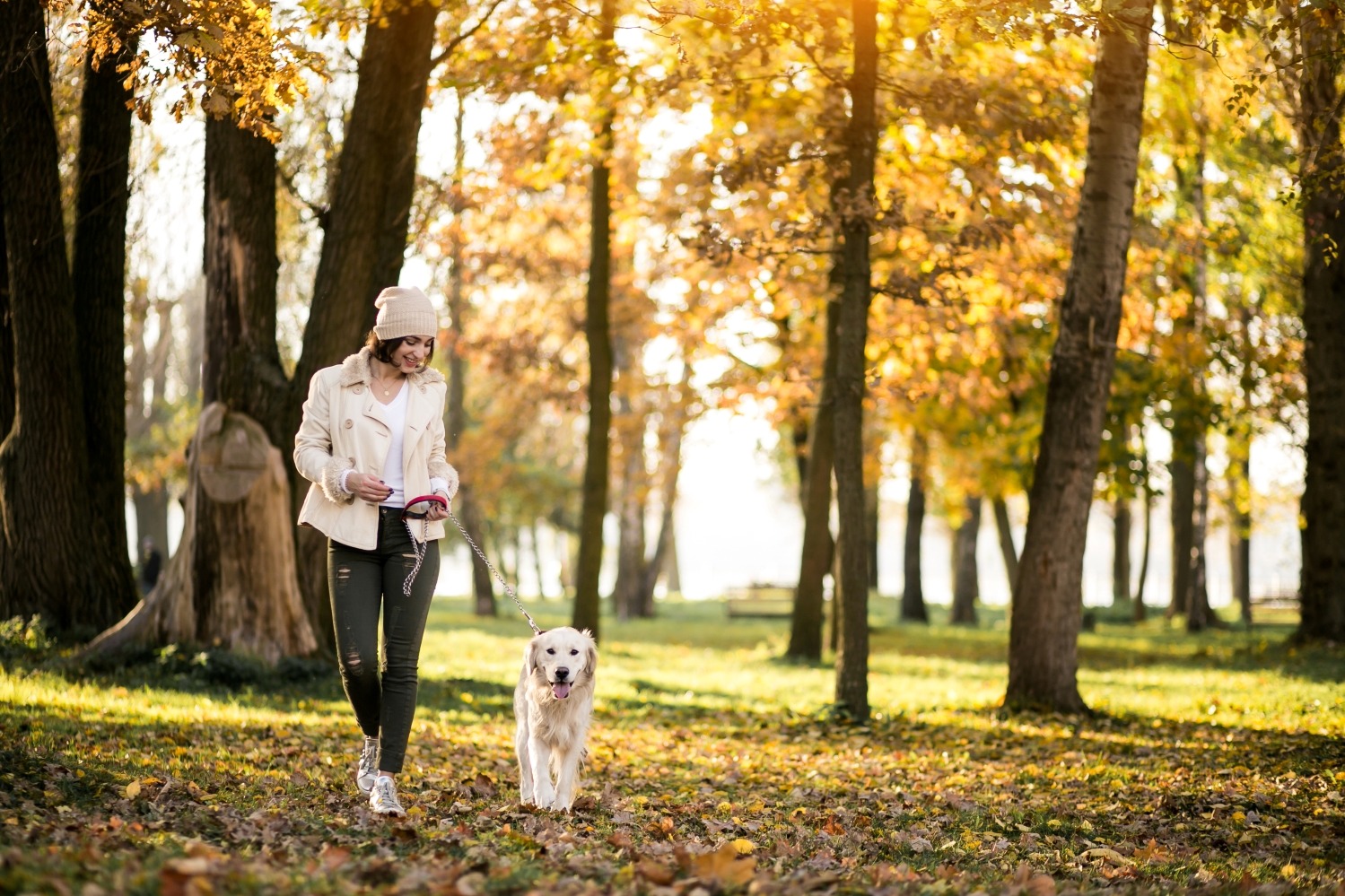
Winter can make dog exercise more complicated in New York City. Freezing temperatures, snow, slush, and icy sidewalks can change a familiar routine. Cold weather does not automatically mean giving up exercise. Thoughtful planning, safer routes, and attention to your dog’s condition can keep winter runs comfortable.
For owners with demanding schedules, dog running services can provide a practical way to maintain an exercise routine during colder months. A consistent runner can help your dog stay active while you manage work and other responsibilities.
Understand Your Dog’s Cold-Weather Needs
Not every dog responds to winter weather in the same way. Breed, size, age, coat type, health, fitness level, and experience with cold temperatures all matter. A thick-coated dog may tolerate cold better than a short-haired dog.
Before heading outside, consider:
- Your dog’s coat thickness and size
- Age and overall fitness level
- Previous experience with cold weather
- Current health and mobility
- Wind, precipitation, and outdoor temperature
- The condition of sidewalks and running surfaces
Watch your dog rather than relying only on the temperature. Shivering, lifting paws repeatedly, slowing down, reluctance to continue, or seeking shelter can indicate discomfort. If your dog seems distressed, end the outing and move indoors.
Dogs with medical conditions or unusual sensitivity to cold should have their exercise routine discussed with a veterinarian.
Adjust the Pace and Distance
Winter running does not have to look like a summer run. Cold air, slippery surfaces, and changing conditions can affect how comfortably a dog moves. A slower pace may be appropriate when sidewalks are wet or icy, and shorter sessions may be better during especially cold periods.
Start with an easy warm-up and gradually increase activity. Avoid expecting your dog to immediately maintain the same pace used during warmer weather.
Pay attention to changing conditions during the run. A route may become difficult after snow, freezing rain, or increased pedestrian traffic. Flexibility is especially important in Manhattan, where sidewalks can vary from one block to the next.
Protect Your Dog’s Paws
Paws encounter more than cold pavement during a New York winter. Snow, ice, salt, and deicing products can irritate paw pads. After outdoor exercise, check between your dog’s toes and around the paw pads for:
- Salt or ice buildup
- Redness or irritation
- Small cuts or abrasions
- Cracked or dry paw pads
- Foreign objects stuck between the toes
Wipe or rinse your dog’s paws after returning indoors, then dry them thoroughly. If your veterinarian recommends a paw balm or protective product, use it according to the directions.
Boots can also be useful for some dogs, but they should be introduced gradually. A dog uncomfortable wearing boots may change its gait or become distracted, so practice indoors first.
Choose Safer Winter Routes
Route selection matters more in winter. Avoid areas with visible ice, deep slush, standing water, or poorly cleared sidewalks when possible. Be especially careful around curb cuts, stairs, and shaded areas where ice may remain.
Winter darkness arrives earlier, so reflective clothing, lights, or other visibility aids can make a dog easier to see. Keep your leash secure and maintain enough control to respond to pedestrians, cyclists, vehicles, and unexpected hazards.
A professional dog runner should recognize that winter conditions can require route changes. A cleaner, more predictable path may be better than the shortest route.
Keep Your Dog Comfortable Before and After a Run
Dogs can become cold before exercise begins, particularly when standing outside while waiting. Have winter gear ready before leaving the apartment so you can start moving promptly.
After a run, dry your dog if the coat is damp from snow or precipitation. Give your dog a comfortable indoor place to rest and recover.
A simple post-run routine can include:
- Checking the paws for salt, ice, or irritation
- Drying wet fur with a towel
- Providing fresh drinking water
- Allowing time for quiet indoor recovery
- Watching for unusual tiredness or discomfort
An energetic dog may continue because it is excited, so watch physical signals closely. Owners and caregivers need to recognize these signals and make decisions based on comfort rather than enthusiasm.
Why a Consistent Running Routine Can Help
Regular exercise gives dogs an outlet for energy and mental stimulation through changing sights, sounds, and smells. A predictable routine can also help dogs become familiar with when outdoor activity happens.
For busy NYC households, arranging exercise can be difficult when winter weather arrives. A professional dog runner can help maintain a consistent schedule when an owner cannot provide the run personally. The routine should reflect the dog’s age, fitness, preferences, and cold tolerance.
Consistency does not mean every winter session must be identical. Some days may call for a longer run, while others may suit a shorter outing or slower walk.
A consistent exercise routine may help support:
- Daily physical activity
- Mental stimulation
- Healthy energy levels
- Familiar outdoor routines
- Regular opportunities to explore the environment
When to Skip the Run
Sometimes the safest winter choice is to stay indoors. Severe weather, unsafe sidewalks, extreme cold, or hazardous travel conditions may justify changing the plan. Your dog’s behavior should guide the decision.
Consider postponing outdoor running when:
- Sidewalks are dangerously icy
- Snow or slush makes movement difficult
- Weather conditions are severe
- Your dog appears uncomfortable
- Your dog shows unusual fatigue or distress
- Outdoor conditions create unnecessary safety risks
If your dog repeatedly refuses to move, shows signs of distress, or develops unusual symptoms during exercise, stop the session. Contact a veterinarian if you have concerns about your dog’s response to cold weather.
Training sessions, scent games, food puzzles, and supervised play can provide engagement indoors when outdoor exercise is not practical.
Conclusion
Winter dog exercise works best when it is treated as a flexible routine rather than a rigid schedule. Check the weather and sidewalk conditions, prepare your dog before leaving, select a safe route, monitor body language, and inspect paws afterward.
If your schedule makes regular running difficult, dog running services can help keep your dog’s exercise routine moving through the colder season. A consistent caregiver can follow established instructions, recognize your dog’s normal behavior, and adjust the outing when conditions require it.
For Manhattan dog owners looking for a structured way to support regular exercise, Happy Pants provides dog running, walking, puppy care, sitting, and play group services. Running sessions are handled by dedicated team members, giving owners an option for maintaining their dog’s activity routine when personal schedules become challenging.
Frequently Asked Questions
2. How can I protect my dog’s paws in winter?
Check paws after every outing, remove salt or ice, dry the feet thoroughly, and discuss protective products or boots with your veterinarian when appropriate.
3. Should my dog wear a coat for winter runs?
Some dogs benefit from a properly fitted coat, particularly small, short-haired, elderly, or cold-sensitive dogs. A veterinarian can help if you are unsure what your dog needs.
4. Can a professional dog runner exercise my dog during winter?
Yes. A professional dog runner can help maintain an exercise routine during colder months while adjusting the pace, route, or duration when conditions make changes appropriate.
5. When should I skip a winter run?
Consider staying indoors when sidewalks are dangerously icy, weather conditions are severe, or your dog shows signs of discomfort, distress, or unusual fatigue.