
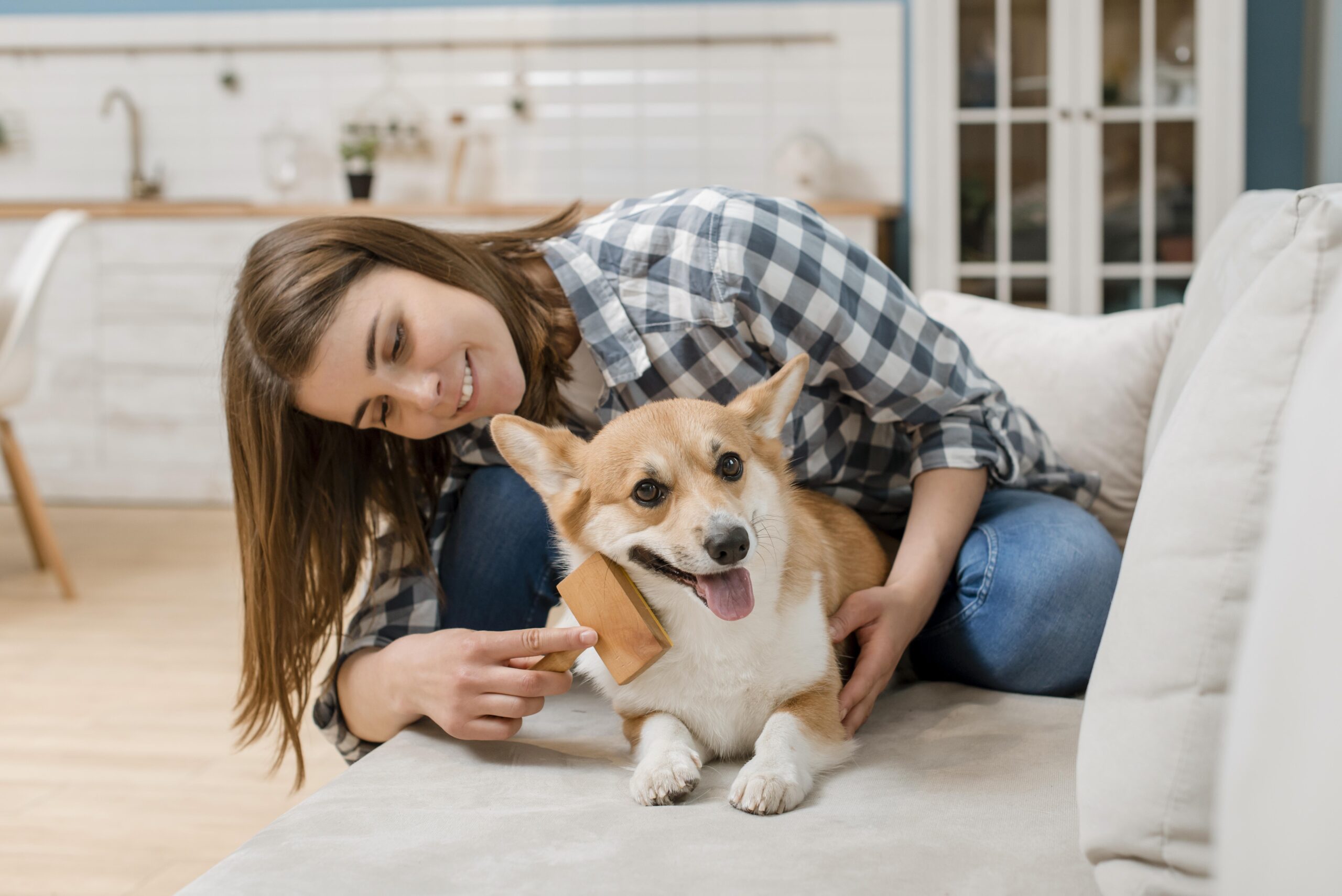
Bringing home a new puppy is an exciting and rewarding experience. Whether you are welcoming your first dog into your family or adjusting to life with a young puppy for the first time, the early months are filled with learning opportunities for both you and your pet. In a busy city like New York City, puppy care involves unique considerations, from apartment living and city noises to socialization and daily exercise. Understanding how to meet your puppy’s physical, emotional, and developmental needs can help create a strong foundation for a happy and healthy life together.
What Every New Puppy Needs During the First Few Months
The first few months of a puppy’s life are crucial for growth and development. During this stage, puppies learn about the world around them, build confidence, and begin developing behaviors that can last a lifetime.
Physical Care and Daily Needs
Puppies require nutritious food, clean water, regular sleep, and a safe environment. Because they are growing rapidly, their nutritional needs differ from adult dogs. Providing proper care during this stage supports healthy development and overall wellbeing.
Emotional Support and Bonding
Young puppies depend on their owners for comfort, security, and guidance. Spending quality time together helps build trust and strengthens the bond between you and your puppy. Positive interactions during the early months can contribute to better behavior and confidence as your puppy matures.
Helping Your Puppy Adjust to a New Home
Moving into a new home can be overwhelming for a puppy. They are leaving familiar surroundings and learning to navigate a completely new environment.
Creating a Comfortable Space
Designate a quiet area where your puppy can rest and feel secure. This space should include a comfortable bed, food and water bowls, toys, and access to a safe area for relaxation. A dedicated space can help reduce stress and encourage healthy adjustment.
Managing the Transition Period
It is common for puppies to experience temporary anxiety, whining, or disrupted sleep during the first few days. Maintaining a calm environment and following a consistent routine can help your puppy settle in more quickly.
Why Establishing a Routine Matters
A structured routine helps puppies feel secure and understand what to expect throughout the day. Consistency is one of the most important factors in successful puppy care.
Consistent Feeding Times
Feeding your puppy at the same times each day helps regulate digestion and supports healthy eating habits. Most young puppies require multiple meals daily before gradually transitioning to fewer meals as they grow.
Regular Potty Breaks
Frequent bathroom breaks help accelerate house training and reduce accidents. Puppies should be taken outside after waking up, eating, drinking, and play sessions.
Scheduled Rest and Sleep
Puppies need significant amounts of sleep to support healthy growth and development. Providing quiet periods throughout the day helps prevent overstimulation and encourages better behavior.
House Training Your Puppy Successfully
House training is often one of the first priorities for new puppy owners. While it requires patience and consistency, establishing good habits early can make the process much smoother.
Building Positive Bathroom Habits
Take your puppy to the designated potty area regularly and reward successful bathroom trips with praise or treats. Positive reinforcement helps puppies learn more effectively.
Responding to Accidents Appropriately
Accidents are a normal part of the learning process. Rather than using punishment, focus on supervision, consistency, and rewarding desired behavior to encourage progress.
Creating a Healthy Puppy Feeding Schedule
Proper nutrition plays a vital role in your puppy’s growth, energy levels, and long-term health.
Choosing the Right Puppy Food
High-quality puppy food is specifically formulated to meet the nutritional needs of growing dogs. Consult your veterinarian to select the best option based on your puppy’s breed, size, and age.
Monitoring Growth and Portion Sizes
As puppies grow, their nutritional requirements change. Regular veterinary checkups help ensure your puppy is maintaining a healthy weight and receiving appropriate portions.
Crate Training Tips for First-Time Owners
Crate training can be a valuable tool when introduced correctly. It provides puppies with a secure space where they can rest and relax.
Making the Crate a Positive Experience
Introduce the crate gradually using treats, toys, and positive reinforcement. The crate should always feel like a safe and comfortable place rather than a punishment.
Using Crates to Support House Training
Many puppies naturally avoid soiling their sleeping area. When used properly, crate training can support house training efforts and help establish consistent routines.
Scheduling Important Vet Visits
Veterinary care is an essential part of responsible puppy ownership. Regular visits help monitor development and prevent potential health issues.
Vaccinations and Preventive Care
Puppies require a series of vaccinations during their first year to protect against common diseases. Your veterinarian will create a vaccination schedule based on your puppy’s age and health needs.
Parasite Prevention and Wellness Exams
Routine wellness exams allow veterinarians to monitor growth, address concerns, and recommend preventive treatments for fleas, ticks, and other parasites.
The Importance of Puppy Socialization in NYC
Socialization is one of the most important aspects of raising a well-adjusted dog. Positive experiences during puppyhood help dogs become confident and adaptable adults.
Introducing New People and Places
Allow your puppy to experience different environments, neighborhoods, and friendly people. Exposure to various situations helps build confidence and reduce fearfulness.
Helping Puppies Adjust to City Life
New York City presents unique challenges, including traffic, crowds, sirens, and busy sidewalks. Gradual exposure to these experiences helps puppies become comfortable navigating urban environments.
Safe Interactions With Other Dogs
Meeting vaccinated and friendly dogs teaches puppies appropriate social skills and helps develop positive canine interactions.
Balancing Training and Development
Training is important, but successful puppy development involves much more than teaching commands.
Teaching Basic Obedience Skills
Commands such as sit, stay, come, and leave it help establish communication and improve safety in everyday situations.
Providing Mental Stimulation
Puzzle toys, training games, scent activities, and supervised exploration help keep puppies mentally engaged and prevent boredom.
Encouraging Positive Behavior
Reward-based training helps puppies learn appropriate behaviors while building confidence and trust.
Common Mistakes First-Time Puppy Owners Should Avoid
New puppy owners sometimes unintentionally create challenges by overlooking important aspects of development.
Inconsistent Rules and Expectations
Mixed messages can confuse puppies and slow training progress. Consistency helps puppies understand boundaries and expectations.
Skipping Socialization Opportunities
Limited exposure to new experiences may contribute to fear, anxiety, or behavioral issues later in life.
Delaying Veterinary Care
Routine veterinary visits help identify concerns early and support healthy growth and development.
Supporting Your Puppy’s Long-Term Health and Wellbeing
Puppy care extends far beyond the first few months. The habits established during puppyhood often influence behavior, health, and quality of life for years to come. Continued training, socialization, exercise, proper nutrition, and preventive healthcare all contribute to raising a healthy and well-adjusted dog.
Final Thoughts
Learning how to take care of a puppy in NYC can feel overwhelming at first, but establishing strong foundations early makes a significant difference. By focusing on routine, house training, proper nutrition, veterinary care, crate training, and socialization, first-time dog owners can help their puppies thrive. With patience, consistency, and ongoing support, your puppy can grow into a confident, healthy, and happy companion that enjoys life in New York City. Contact us today for expert guidance on puppy care in NYC and personalized support to help your puppy grow healthy, confident, and well-trained.
Frequently Asked Questions
2. When should I start house training my puppy?
House training should begin as soon as your puppy comes home. Consistent potty breaks, supervision, and positive reinforcement are key to success.
3. How often should a puppy eat each day?
Most young puppies need three to four meals per day. As they grow older, they can gradually transition to two meals daily based on veterinary recommendations.
4. Why is puppy socialization important?
Socialization helps puppies become comfortable around people, other dogs, new environments, and everyday experiences. Proper socialization can reduce fear, anxiety, and behavioral problems later in life.
5. When should my puppy have its first vet visit?
Most veterinarians recommend scheduling a wellness exam within the first few days of bringing your puppy home. Early visits help establish a vaccination schedule and monitor overall health.
2. When should I start house training my puppy?
House training should begin as soon as your puppy comes home. Consistent potty breaks, supervision, and positive reinforcement are key to success.
3. How often should a puppy eat each day?
Most young puppies need three to four meals per day. As they grow older, they can gradually transition to two meals daily based on veterinary recommendations.
4. Why is puppy socialization important?
Socialization helps puppies become comfortable around people, other dogs, new environments, and everyday experiences. Proper socialization can reduce fear, anxiety, and behavioral problems later in life.
5. When should my puppy have its first vet visit?
Most veterinarians recommend scheduling a wellness exam within the first few days of bringing your puppy home. Early visits help establish a vaccination schedule and monitor overall health.