
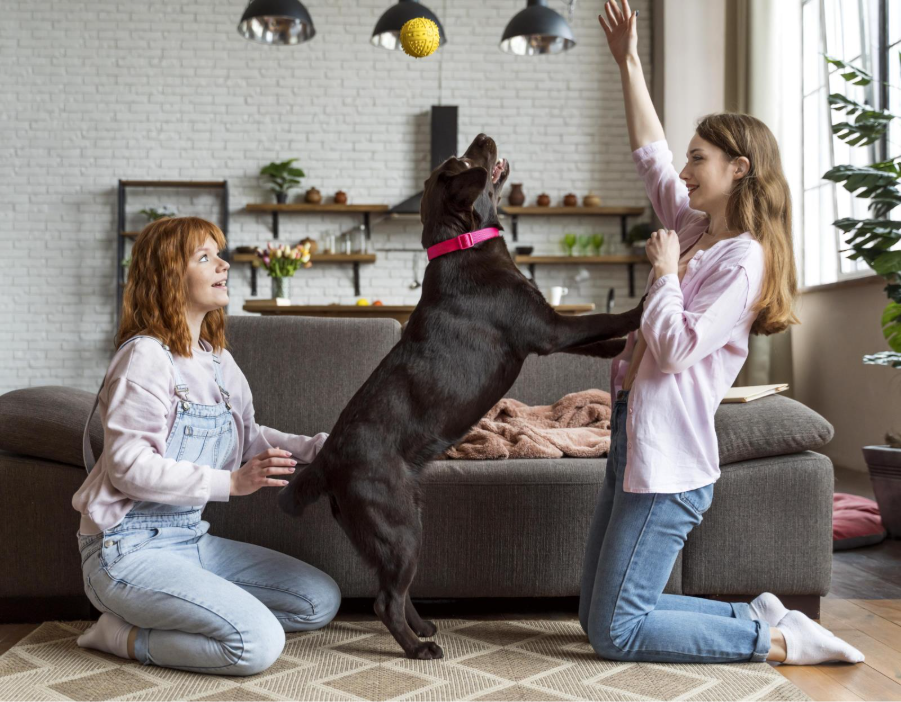
For dog owners in busy urban environments, especially in places like Manhattan, finding safe and enriching socialization opportunities can feel overwhelming. A structured dog playgroup NYC program offers a carefully supervised alternative to chaotic dog parks and traditional daycare environments.
These programs are designed to promote safe dog group play, balanced socialization, and positive behavior development. Understanding what happens during a supervised dog play Manhattan session helps build transparency and trust for owners in the consideration stage of choosing care for their pets.
What Is a Structured Dog Playgroup?
A structured dog playgroup is a professionally supervised social environment where dogs interact in controlled, carefully matched groups. Unlike open dog parks where play can become unpredictable, structured sessions are organized by trained handlers who evaluate temperament, size, play style, and energy level before grouping dogs together.
The goal is not simply to let dogs run freely, but to create positive, healthy interactions that support emotional balance and social confidence. Dogs learn boundaries, appropriate play signals, and how to respond to human guidance within a safe framework.
The Initial Assessment and Temperament Evaluation
Before a dog joins a structured dog playgroup NYC program, most facilities conduct an evaluation. This assessment typically includes reviewing vaccination records, observing behavior around new dogs, and testing response to handler cues.
Trainers evaluate play style, confidence level, and reactivity. Some dogs are highly energetic and thrive in active groups, while others prefer slower-paced socialization. This screening ensures dogs are placed in compatible groups, reducing the risk of overstimulation or conflict.
Group Matching and Controlled Introductions
One of the most important elements of supervised dog play Manhattan programs is intentional group matching. Dogs are not randomly placed together. Instead, professionals consider size, temperament, age, and social skills.
Introductions are done gradually. New dogs are often introduced to one or two stable group members before joining larger sessions. This approach prevents overwhelm and allows handlers to observe early interactions closely.
Clear Rules and Structured Play Sessions
Structured playgroups operate with clear behavioral expectations. Handlers actively supervise interactions and intervene when necessary to redirect overly rough play or prevent escalation.
Dogs are encouraged to engage in appropriate behaviors such as chase games, cooperative wrestling, and shared toy interaction, but boundaries are consistently reinforced. Time-outs or brief separations may be used if a dog becomes overstimulated. This structure promotes emotional regulation and long-term social skills.
Constant Professional Supervision
Unlike some daycare environments where supervision may be passive, structured dog playgroups emphasize active monitoring. Trained staff members watch body language, vocal cues, and group dynamics throughout the session.
Early intervention is key. Subtle signs such as stiff posture, excessive mounting, or avoidance behaviors are addressed before they develop into larger issues. This level of supervision builds trust and ensures safe dog group play.
Enrichment Beyond Free Play
Structured dog playgroup NYC programs often incorporate enrichment activities alongside social interaction. These may include recall exercises, impulse control games, and short training breaks.
This combination of play and mental engagement prevents overstimulation and reinforces positive behaviors. Dogs leave sessions not only physically exercised but mentally satisfied.
Benefits Compared to Traditional Dog Daycare
Many owners compare structured playgroups with standard daycare facilities. While daycare can offer exercise, it may not always provide individualized attention or careful grouping.
Structured programs focus on quality over quantity. Smaller groups, professional behavior oversight, and deliberate social coaching create a safer alternative for dogs who may not thrive in large, unregulated playrooms.
For owners seeking a dog daycare alternative NYC option that prioritizes behavior and safety, structured sessions provide added peace of mind.
Safety Protocols and Health Standards
Transparency is essential when choosing supervised dog play Manhattan services. Reputable programs maintain strict vaccination requirements, health checks, and sanitation procedures.
Play areas are designed to minimize hazards, and staff are trained in canine first aid and emergency response. These safeguards protect both individual dogs and the broader group environment.
Communication with Dog Owners
Trust grows through clear communication. Many structured dog playgroup NYC facilities provide progress updates, behavior observations, and recommendations for continued training at home.
Owners may receive feedback about their dog’s play style, social improvements, or areas needing support. This collaborative approach strengthens the relationship between handler and pet parent.
Which Dogs Benefit Most from Structured Playgroups?
Structured playgroups can benefit a wide range of dogs, from energetic young adults to socially developing puppies. Dogs who need guidance in learning appropriate play behavior often thrive in this environment.
Even more cautious or shy dogs can benefit from carefully managed exposure to balanced peers. The key is proper matching and gradual introduction, ensuring each dog’s comfort and confidence.
Addressing Common Concerns
Owners sometimes worry about safety or whether their dog will feel overwhelmed. Structured dog playgroup NYC programs address these concerns through careful screening, supervision, and gradual integration.
Because handlers monitor every interaction, dogs are less likely to experience negative encounters compared to unsupervised environments. The structured nature of the sessions promotes calm, respectful play.
Long-Term Behavioral Impact
Consistent participation in safe dog group play can improve a dog’s social skills, impulse control, and confidence. Dogs learn to interpret body language accurately and respond appropriately to different play partners.
Over time, these positive experiences can reduce anxiety, prevent aggression, and support overall emotional well-being. Structured environments reinforce desirable behaviors that carry over into daily life.
Why Transparency Matters in Urban Dog Care
In a fast-paced city environment, dog owners must trust the people caring for their pets. Transparent policies, visible supervision practices, and open communication foster confidence.
Structured dog playgroups provide clarity around how dogs are managed, how conflicts are handled, and how safety is maintained. This transparency helps owners make informed decisions during the consideration stage.
Conclusion
A structured dog playgroup NYC program is more than supervised play—it is a carefully designed socialization system that promotes safety, emotional balance, and behavioral growth. Through professional supervision, thoughtful group matching, and consistent structure, supervised dog play Manhattan sessions offer a reliable dog daycare alternative NYC option. For owners seeking transparency and trust, understanding what happens during these sessions provides reassurance that their dogs are not only having fun but developing healthy social skills in a secure environment. Contact us today to book a safe and fun playgroup for your dog.
Frequently Asked Questions
Is structured dog play safe for all dogs?
Most dogs can participate if they pass a temperament evaluation. Proper screening and supervision help maintain safety.
How long are playgroup sessions?
Sessions vary by facility but often range from one to several hours, depending on the program structure
What if my dog becomes overstimulated?
Handlers monitor behavior closely and may use brief time-outs or redirect activities to help dogs regain calmness.
Can structured play replace traditional daycare?
For many owners, structured playgroups serve as a safer and more behavior-focused dog daycare alternative NYC solution.
Is structured dog play safe for all dogs?
Most dogs can participate if they pass a temperament evaluation. Proper screening and supervision help maintain safety.
How long are playgroup sessions?
Sessions vary by facility but often range from one to several hours, depending on the program structure
What if my dog becomes overstimulated?
Handlers monitor behavior closely and may use brief time-outs or redirect activities to help dogs regain calmness.
Can structured play replace traditional daycare?
For many owners, structured playgroups serve as a safer and more behavior-focused dog daycare alternative NYC solution.