
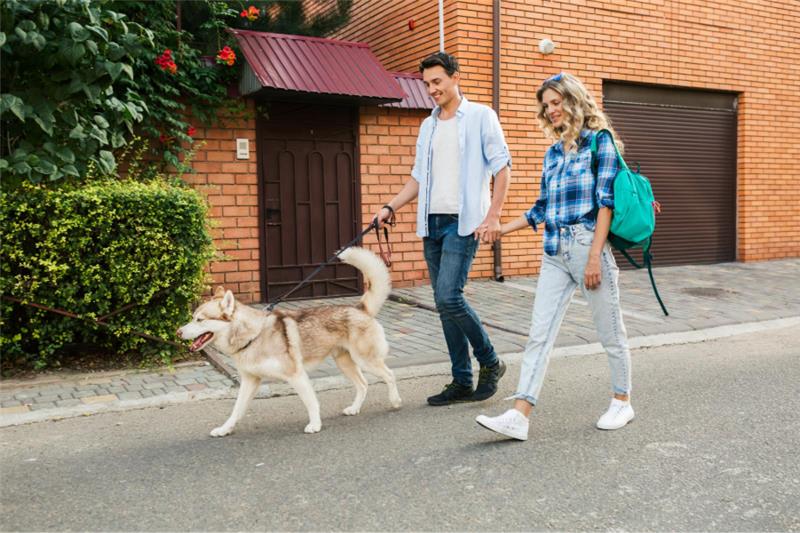
Living in a New York City apartment presents unique challenges for dog owners. Limited indoor space, busy streets, elevators, and unpredictable weather all influence your dog walking schedule NYC routine. If you have ever asked, how often should I walk my dog in NYC, the answer depends on your dog’s age, breed, size, and energy levels. However, one thing is certain: daily dog walking is not optional in apartment living it is essential for physical health, mental stimulation, and emotional balance.
Why Daily Walks Are Essential for Apartment Dogs
Unlike dogs with backyards, apartment dogs rely almost entirely on walks for exercise and bathroom breaks. Apartment dog exercise is not just about burning energy; it supports digestion, joint health, socialization, and stress reduction.
In small apartment dog needs scenarios, walks also prevent boredom-related behaviors like chewing, excessive barking, or restlessness. Regular outdoor exposure provides sensory stimulation new smells, sounds, and sights that indoor environments cannot replicate.
General Walking Frequency Guidelines
For most adult dogs living in NYC apartments, three walks per day is a practical baseline. This often includes a morning bathroom and exercise walk, a mid-day relief break, and a longer evening walk.
High-energy breeds may require additional exercise beyond basic potty walks. Lower-energy or senior dogs may need shorter but consistent outings. Puppies require more frequent bathroom breaks due to smaller bladder capacity.
How Dog Energy Levels Affect Walking Needs
Dog energy levels vary significantly by breed and personality. A high-energy breed such as a Border Collie or Labrador Retriever will need more intense exercise than a small companion breed like a Shih Tzu.
In Manhattan dog walking tips conversations, professionals often emphasize quality over quantity. A brisk, engaging walk with structured activity is more beneficial than a slow, distracted stroll. High-energy dogs may benefit from interval walking, light jogging, or incorporating obedience drills during outings.
Adjusting for Small Apartment Living
Small apartment dog needs require intentional planning. Without indoor space to roam, walks become the primary outlet for movement.
In compact NYC apartments, dogs may not have room to release energy naturally. This makes structured outdoor time even more important. Incorporating short play sessions before or after walks such as tug or training exercises can enhance apartment dog exercise routines.
Weather and Seasonal Considerations in NYC
New York weather ranges from hot, humid summers to icy winter conditions. Adjusting your daily dog walking schedule during extreme weather is essential.
In summer, early morning and late evening walks help prevent overheating. During winter, shorter but more frequent walks may be safer, especially when sidewalks are icy or salted. Protective booties and paw care become important in colder months.
Consistency remains key. Even during inclement weather, dogs require outdoor time for both physical and mental well-being.
Signs Your Dog Needs More Exercise
If you are unsure how often should I walk my dog in NYC, observe behavioral cues. Dogs who need more activity may display restlessness, destructive chewing, excessive barking, or hyperactivity indoors.
Weight gain can also signal insufficient apartment dog exercise. Conversely, if your dog appears fatigued or reluctant during walks, you may need to adjust intensity rather than frequency.
Mental Stimulation During Walks
Walking is not only about distance. Mental engagement significantly impacts satisfaction. Allowing safe sniffing opportunities, varying routes, and practicing obedience commands during walks enhances stimulation.
In busy urban areas, controlled leash manners are essential. Manhattan dog walking tips often highlight training integration such as stopping at corners, waiting at crosswalks, and maintaining calm focus amid distractions.
When to Consider Professional Dog Walkers
Busy NYC schedules can make consistent daily dog walking challenging. Hiring one of the best dog walkers NYC offers may provide reliability and structure.
Professional dog walkers understand apartment dog exercise needs and can maintain routine when owners are working long hours. They also ensure midday relief breaks, which are especially important for puppies and senior dogs.
Choosing a licensed, insured, and well-reviewed service builds trust and maintains consistency in your dog walking schedule NYC plan.
Puppies vs. Adult Dogs vs. Seniors
Puppies generally need walks every two to three hours initially, gradually transitioning to three structured walks per day as bladder control improves.
Adult dogs typically thrive on three daily outings, with at least one longer walk for exercise.
Senior dogs may require shorter but more frequent outings to accommodate joint comfort and bathroom needs. Monitoring mobility and adjusting pace is important for aging dogs.
Socialization Opportunities in the City
Walking in NYC exposes dogs to diverse stimuli crowds, traffic, other dogs, and city sounds. This consistent exposure builds confidence when managed properly.
However, structured interactions are safer than random greetings. Maintaining leash control and observing body language protects your dog and others. Socialization should be intentional rather than chaotic.
Creating a Sustainable Routine
Consistency benefits both dog and owner. Establishing regular walk times reinforces bathroom habits and reduces accidents indoors. Dogs quickly adapt to predictable schedules.
For apartment dwellers, setting alarms or calendar reminders helps maintain structure. If travel or work disrupts routine, arranging backup walking support ensures continuity.
Balancing Walks with Indoor Enrichment
While daily dog walking is crucial, supplementing outdoor time with indoor enrichment enhances overall wellness. Puzzle toys, scent games, and short training sessions prevent boredom in between walks.
Apartment dog exercise does not need to rely solely on distance walked. Balanced physical and mental engagement produces calmer, happier pets.
Conclusion
So, how often should I walk my dog in NYC apartments? For most dogs, three daily walks provide a healthy baseline, with adjustments based on age, breed, and energy levels. Apartment living increases reliance on outdoor activity, making consistent daily dog walking essential. By tailoring your dog walking schedule NYC routine to your pet’s needs, incorporating Manhattan dog walking tips, and seeking professional support when necessary, you can create a balanced lifestyle that supports physical health and emotional well-being even in the heart of the city. Contact us to create the perfect dog walking routine for your NYC apartment lifestyle.
Frequently Asked Questions
Is two walks per day enough?
For some low-energy dogs it may be sufficient, but most apartment dogs benefit from three daily outings.
Do small dogs need less exercise?
Not always. Energy levels vary more by breed and personality than size alone.
Should I hire a professional dog walker?
If your schedule prevents consistent midday walks, hiring one of the best dog walkers NYC offers can maintain routine and support your dog’s needs.
How long should each walk be?
Morning and evening walks typically range from 20 to 60 minutes, while midday walks may be shorter relief breaks.
Is two walks per day enough?
For some low-energy dogs it may be sufficient, but most apartment dogs benefit from three daily outings.
Do small dogs need less exercise?
Not always. Energy levels vary more by breed and personality than size alone.
Should I hire a professional dog walker?
If your schedule prevents consistent midday walks, hiring one of the best dog walkers NYC offers can maintain routine and support your dog’s needs.
How long should each walk be?
Morning and evening walks typically range from 20 to 60 minutes, while midday walks may be shorter relief breaks.